A groundbreaking study reveals that Phobos and Deimos, Mars' two tiny moons, originated from a single ancient body that shattered between 1 and 2.7 billion years ago. This research also confirms that Phobos, the larger moon, is spiraling toward its doom.
Mars has two small moons: Phobos and Deimos. Discovered in 1877, they've puzzled scientists with their irregular, potato-like shapes and diminutive sizes—Phobos spans just 22 kilometers in diameter, while Deimos measures about 12 kilometers.
Early theories suggested they were captured asteroids, but their nearly circular orbits in Mars' equatorial plane contradict this. Captured bodies typically follow eccentric, inclined paths.
To unravel their origins, researchers at the University of Zurich turned to advanced computer simulations, tracing the moons' orbits backward through time.
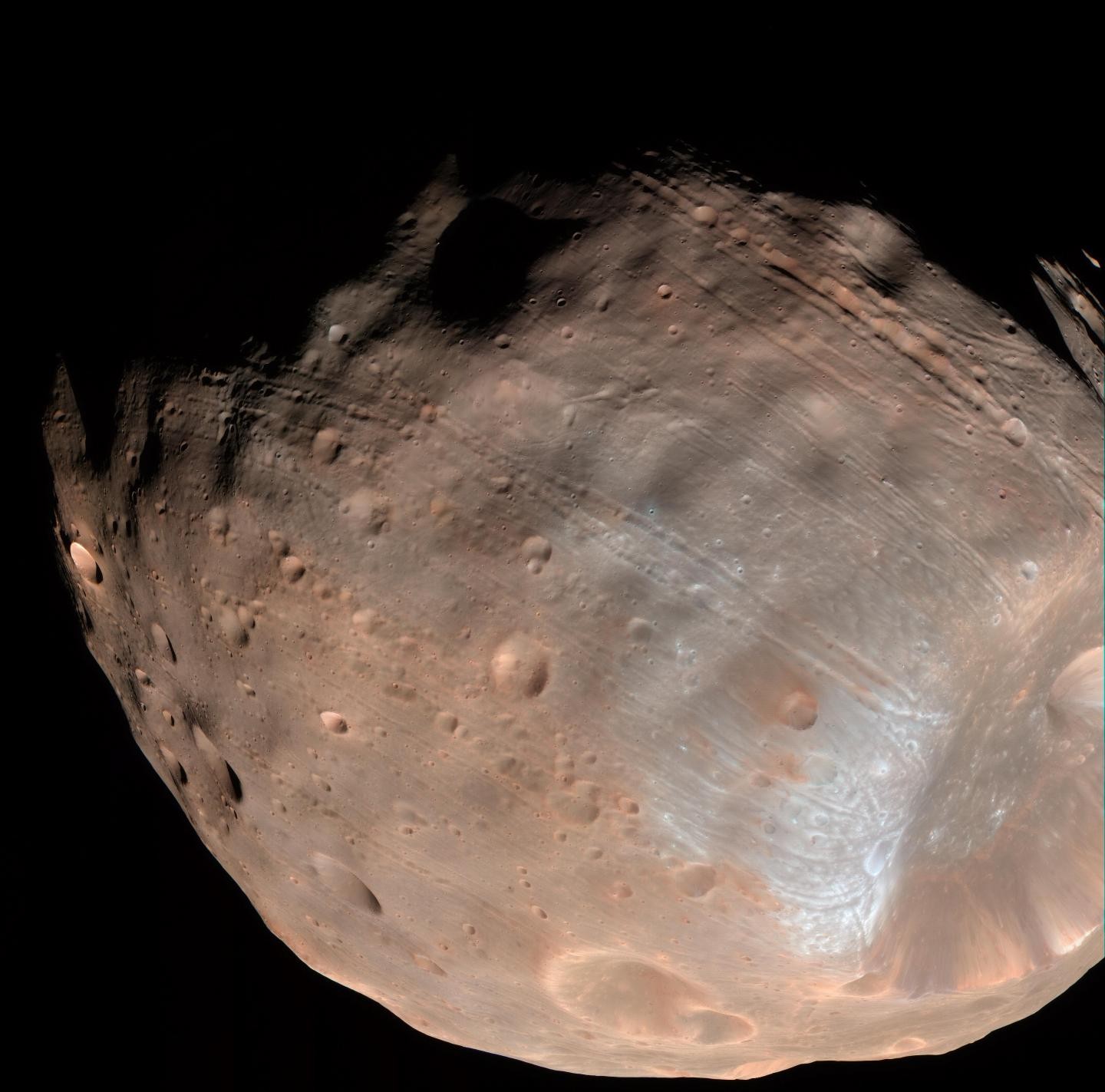
Celestial bodies exert tidal forces on one another, causing energy dissipation influenced by size, distance, and internal structure. Prior analyses indicate Phobos and Deimos are highly porous, with densities under 2 grams per cubic centimeter—far less than Earth's average of 5.5 g/cm³.
Using these properties, the team simulated the moons' past orbits. The models converged at a single point around 1 to 2.7 billion years ago, suggesting a larger progenitor moon orbited Mars, was struck by an impactor, and fragmented. Phobos and Deimos are the surviving remnants, as detailed in Nature Astronomy.
More precise data awaits the Japanese MMX mission, launching in 2025, which will return Phobos samples to refine our understanding of their composition and history.
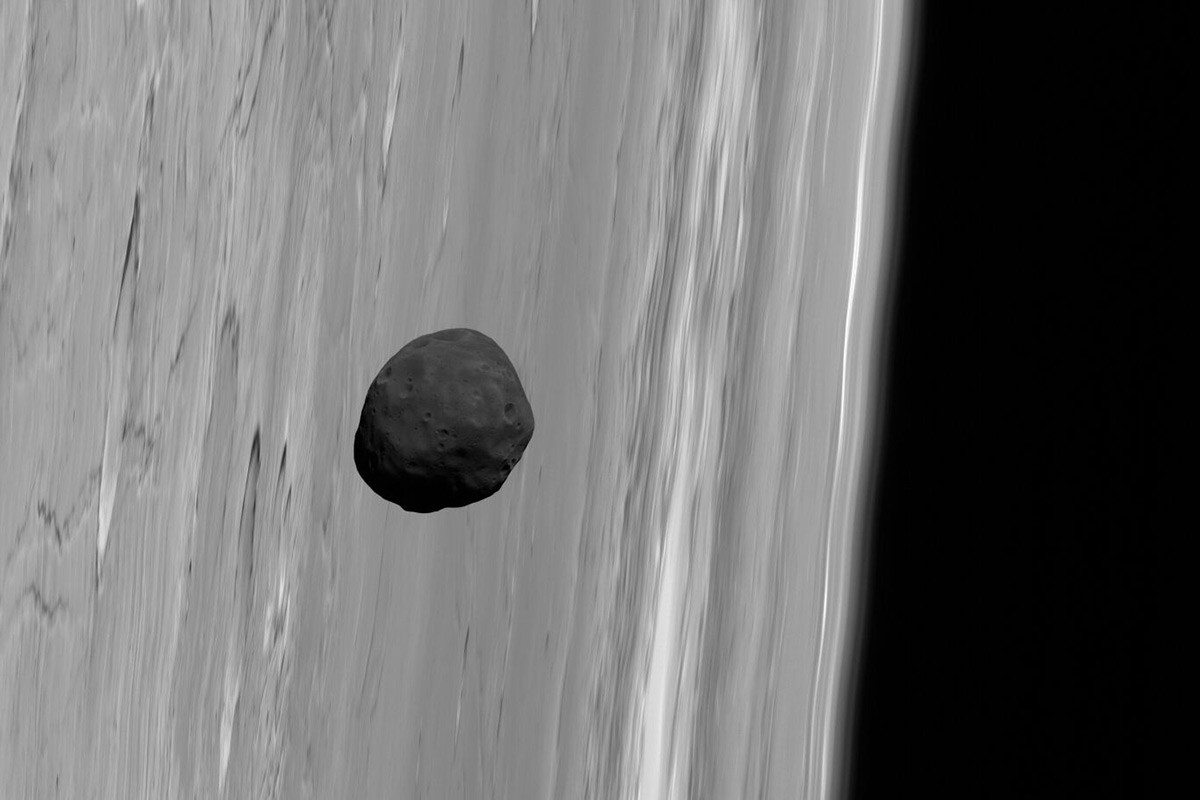
The simulations show this common ancestor orbited farther from Mars than Phobos does now. Deimos has stayed relatively stable, but tidal forces are inexorably drawing Phobos closer.
Projections indicate Deimos will slowly recede, much like Earth's Moon, while Phobos will either collide with Mars or be torn apart by its gravity in less than 40 million years.
