The Volatiles Investigating Polar Exploration Rover (VIPER) is set to land at the lunar south pole around 2023. Its primary mission: map and analyze water ice concentrations in near real-time. These resources could enable sustainable human presence on the Moon.
Water is vital for space exploration—essential for drinking, growing food, radiation shielding, oxygen production, and rocket fuel. Harnessing it in situ could make long-duration missions feasible.
Under the Artemis program, which aims for permanent human return to the Moon, NASA must assess water availability at the south pole. Enter VIPER, developed to deliver precise data on these resources.
NASA recently selected Nobile Crater (93 square kilometers) as VIPER's exploration site, developed by Astrobotic. Remote sensing indicates vast water potential here, but its exact location and form remain unknown.
VIPER's meter-long drill, guided by a neutron spectrometer, will target subsurface wet areas. Onboard spectrometers will analyze collected samples. Expect small ice fragments mixed with lunar regolith, not large sheets.
"If the water is frozen outside moon dust particles, it will be easily accessible," notes planetary geologist Tracy Gregg from the University at Buffalo and Smithsonian Institution. "You shovel it up, heat it, and collect the meltwater."
Bound water in lunar materials would require chemical processing—more complex, costly, and time-intensive, but still viable.
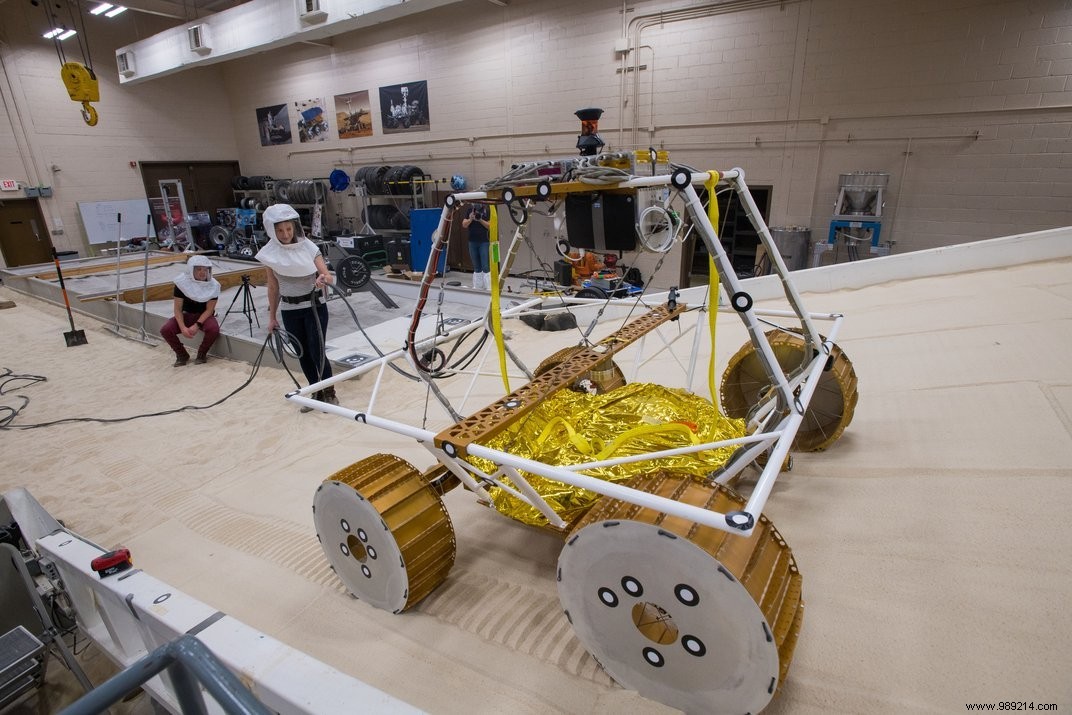
VIPER will operate in permanently shadowed regions where water ice persists. The Moon's minimal axial tilt creates craters with eternal darkness; some haven't seen sunlight in over three billion years, with temperatures plunging to -204°C.
Engineered for extremes, VIPER uses solar-powered heaters to maintain operations.
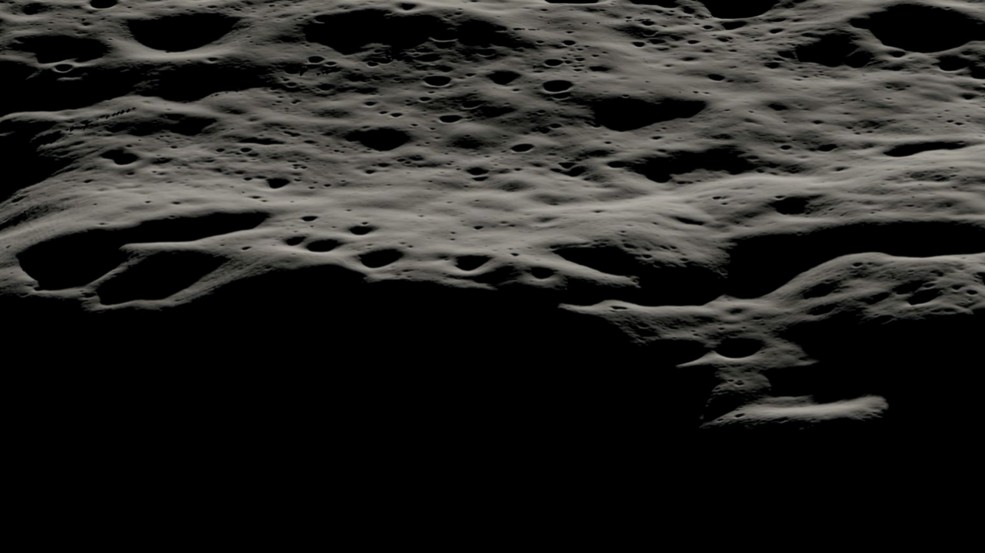
Without relay satellites, VIPER relies on direct Earth radio links, avoiding signal-blocking terrain like mountains or crater rims.
During 14-day lunar nights, it parks in sunny, safe spots to recharge—surviving only 50 hours of darkness. The mission launches in the south pole summer for optimal sunlight, lasting at least 100 Earth days.
VIPER and its lander will launch via SpaceX Falcon Heavy, with a total mission cost of about $660 million.
