Facing intense competition from SpaceX and China's advanced rockets, the European Union is pursuing a bolder space strategy.
For decades, Europe has worked to reduce dependence on U.S. and Russian launch services, establishing itself as a key space player. Yet the landscape has shifted dramatically. To stay competitive, Europe's aerospace sector—long constrained by SpaceX's reusable rockets and China's rapid launch cadence—must adopt a more aggressive space strategy over the next decade.
“Will our current approach carry us to 2050 amid these industry disruptions? I doubt it. We need a more offensive strategy,” European Commissioner Thierry Breton stated on Tuesday, January 12.
To advance this, Breton will convene key stakeholders in the coming months to “launch a European alliance.” Their goal: craft “a shared roadmap for next-generation launchers and technologies” ensuring Europe’s “independent access to space.”
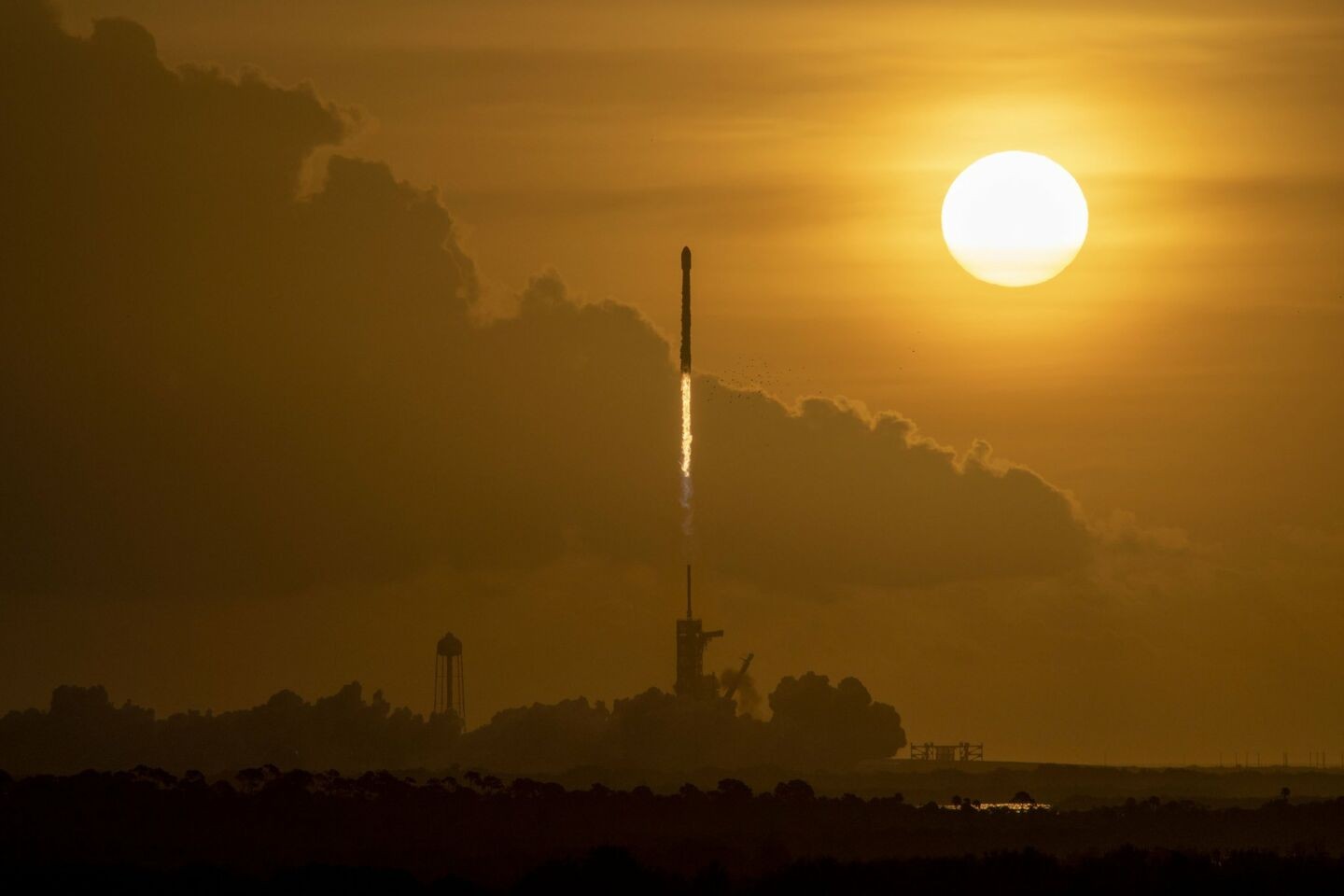
At a January 7 press briefing, Arianespace CEO Stéphane Israël called on European governments for greater backing to counter "unprecedented" U.S. competition.
Arianespace expects stable revenue (around €1 billion, as in 2020), but notes U.S. government space spending dwarfs that of the European Space Agency, EU, and member states combined.
Israël isn't faulting U.S. support for firms like SpaceX; rather, he urges Europe to match it. “There are compelling reasons to strengthen public-private partnerships for Ariane 6 and Vega C this decade, fostering fairer competition with our U.S. rivals,” he said.
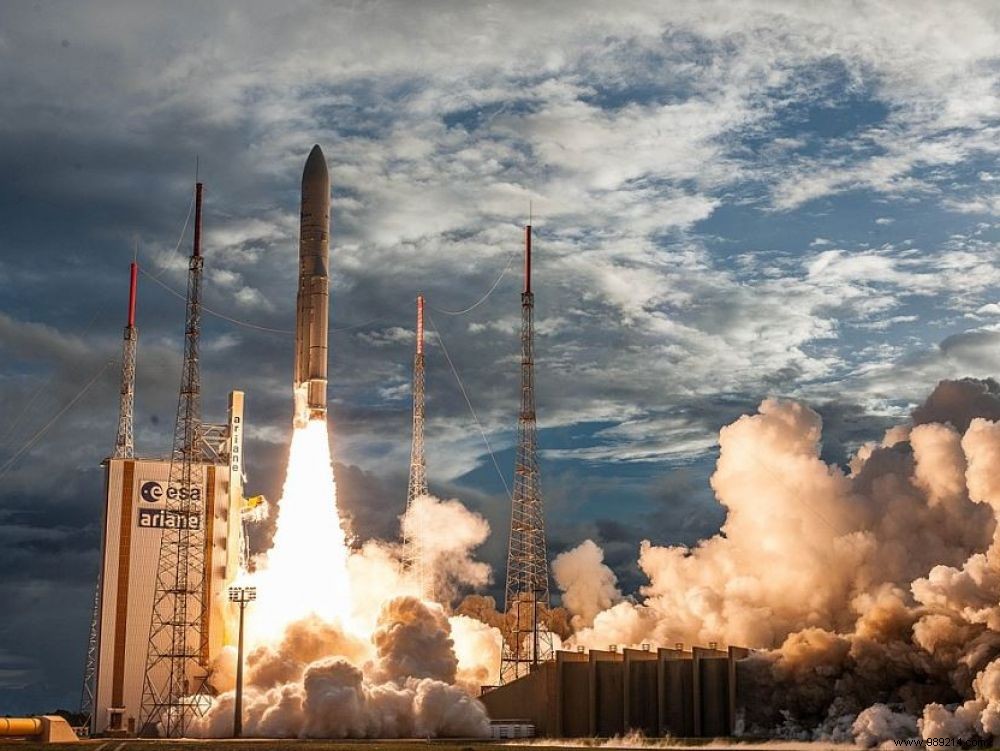
In 2020, Arianespace completed 10 launches: three Ariane 5, five Soyuz, and two Vega (one failed). Israël aims to surpass this in 2021 with three Ariane 5 missions, two for commercial satellites and one for NASA's James Webb Space Telescope.
Only eight Ariane 5 launches remain before retirement, likely by end-2022. Ariane 6's debut is set for Q2 2022.
