Blue Origin, founded by Jeff Bezos, is developing a reusable stainless steel second stage for its New Glenn rocket—an approach pioneered by SpaceX—to dramatically lower space access costs.
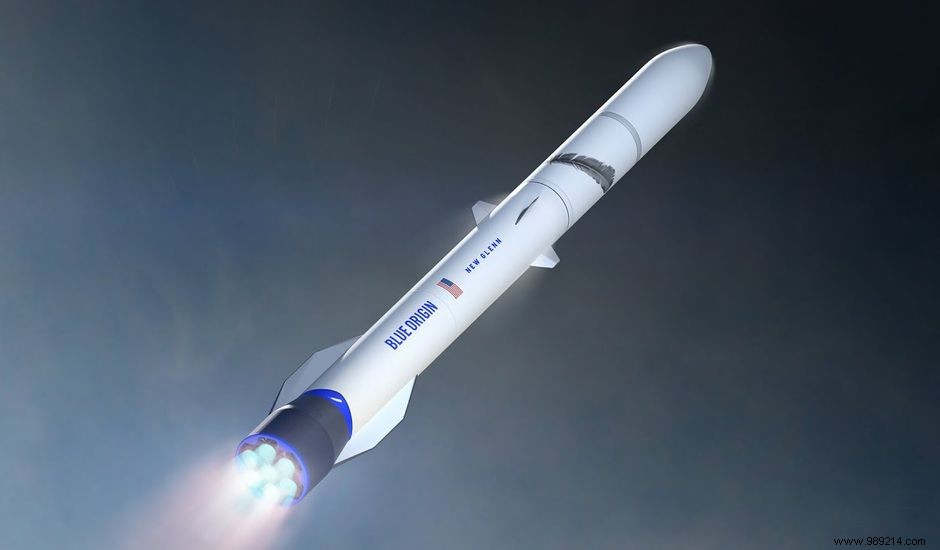
Blue Origin recently achieved a milestone with the first crewed flight of its New Shepard suborbital rocket. However, the company is advancing its heavy-lift ambitions with the 95-meter-tall New Glenn, capable of delivering up to 14 tons to geostationary orbit and 50 tons to low Earth orbit.
Initially, reusability was planned only for New Glenn's first stage, which Blue Origin intends to land vertically on a sea-based barge, much like SpaceX. Yet, even before New Glenn's debut flight, the company has taken the bull by the horns to enhance the design, drawing lessons from SpaceX's proven strategies.
Citing three sources, Ars Technica reports that Blue Origin has initiated the Jarvis project to create a fully reusable upper stage, potentially featuring stainless steel propellant tanks.
In 2019, SpaceX shifted from carbon fiber to stainless steel for Starship and Super Heavy, overcoming initial skepticism about the material's weight.
Elon Musk highlighted stainless steel's advantages: affordability ($135/kg vs. $3/kg for steel? Wait, no—actually steel is cheaper), ease of fabrication for quicker assembly, and superior strength from its chromium-nickel composition.
SpaceX's success has influenced peers, including Jeff Bezos. The Jarvis project aims to cut New Glenn launch costs via a stainless steel second stage, with initial tank tests slated for Texas this fall.
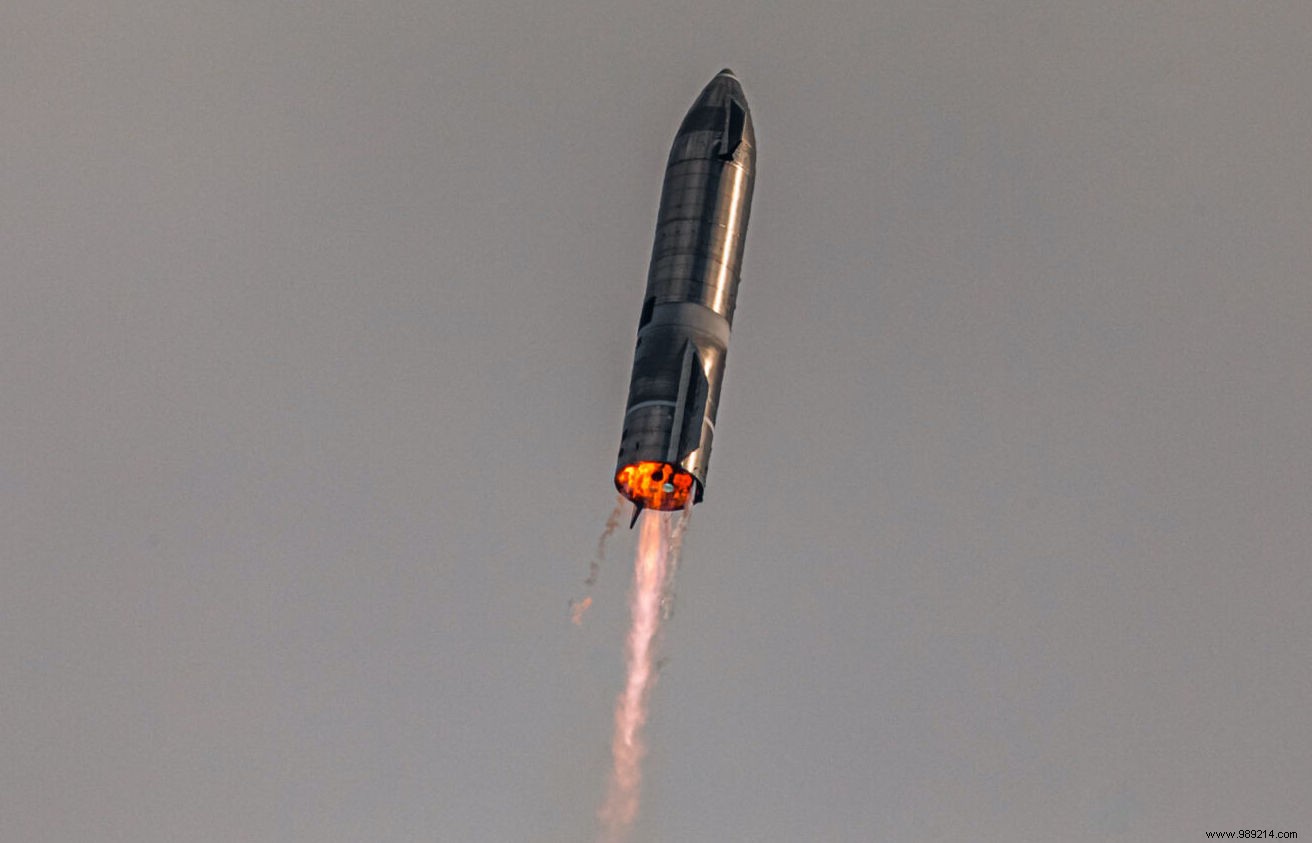
A successful reusable upper stage would echo Musk's vision for recovering both Super Heavy and Starship. Blue Origin plans initial New Glenn launches with expendable upper stages, transitioning to full reusability in the mid-2020s.
