Often dubbed "failed stars," brown dwarfs can rotate at over 360,000 kilometers per hour—but this may be the critical threshold before self-destruction.
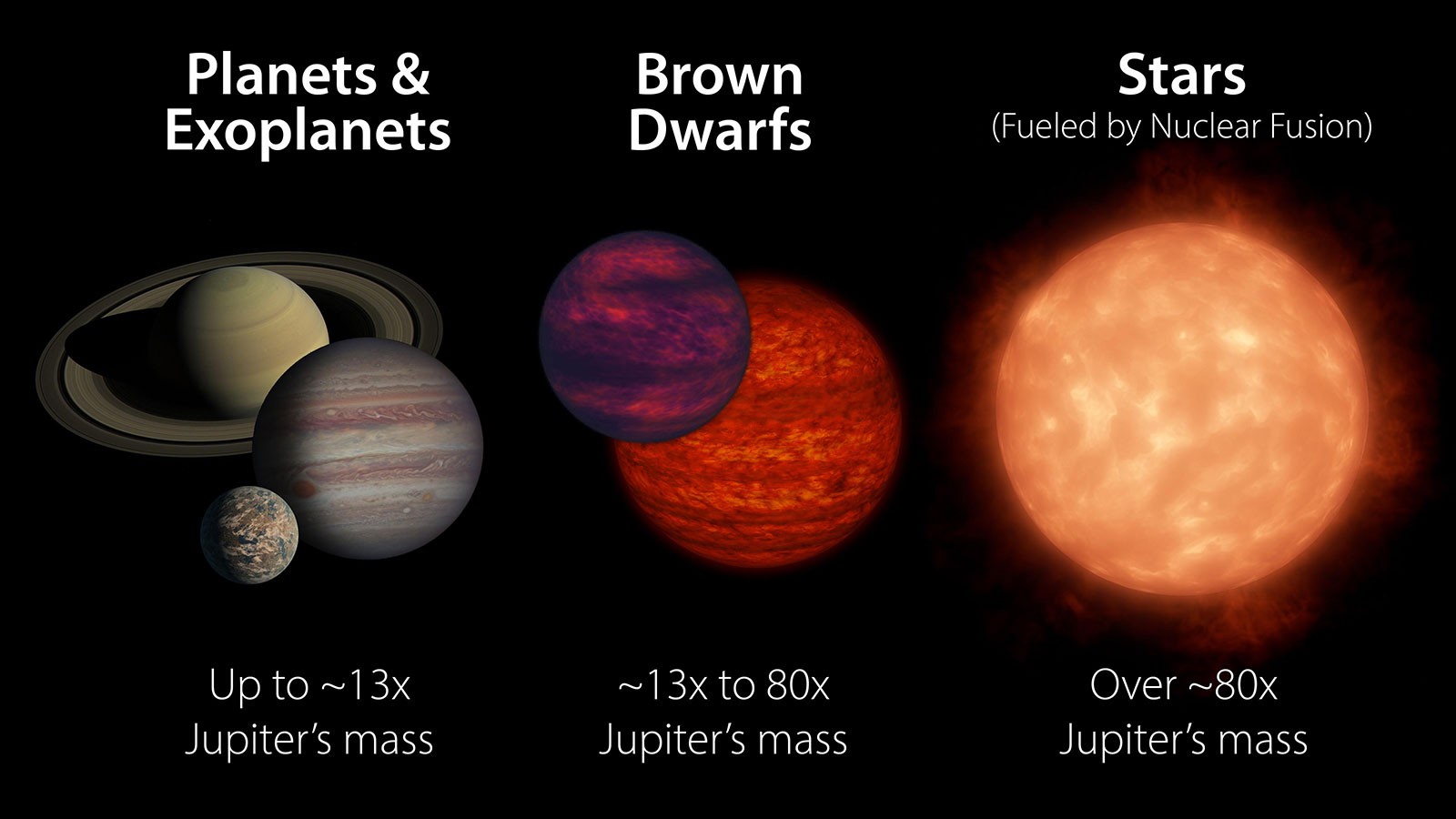
Brown dwarfs occupy a unique niche: too massive for planets yet too low-mass to ignite stellar fusion. As a result, they emit no significant glow from nuclear reactions.
Though less studied than stars or planets, billions of these enigmatic objects populate our galaxy, making them vital subjects in astrophysics.
Astronomers, drawing on archival data from NASA's retired Spitzer Space Telescope, have identified three remarkable brown dwarfs sharing an extraordinary trait: blistering rotation speeds.
Previously, the fastest known brown dwarfs completed a rotation in 1.4 hours, with others taking up to 10 hours. These newcomers—Jupiter-sized in diameter but 40 to 70 times more massive—spin once every hour.
The largest among them whips around at over 100 kilometers per second (360,000 kilometers per hour), as estimated from its dimensions.
Like stars and planets, brown dwarfs accelerate their spin as they cool and contract. What intrigues researchers is that these three exhibit nearly identical rotation rates, despite forming independently and at different evolutionary stages.
Detailed in The Astronomical Journal, the study posits these objects have hit a universal speed ceiling. Exceeding it could unleash centrifugal forces strong enough to tear them apart.
In stars, natural braking mechanisms avert such fates. While unclear if brown dwarfs possess equivalents, the authors suspect similar physics at play.
