Recent research pinpoints Dome A in Antarctica as Earth's optimal location for telescope observations—despite its extreme cold and remoteness.
For casual stargazing, escaping light pollution is key. But professional astronomers seeking deep-sky views must also contend with atmospheric conditions.
That's why top observatories perch at high altitudes in dry, mid-latitude sites like Chile's Atacama Desert or Hawaii's Mauna Kea. Yet a new study suggests Antarctica's Dome A—an ice plateau 1,200 km inland on the continent's eastern side—surpasses them all.
Published in Nature, the findings highlight Dome A's advantages. "A telescope here could outperform any similar instrument elsewhere," says co-author Paul Hickson, an expert in atmospheric optics. "High elevation, low temperatures, extended darkness, and remarkable atmospheric stability make it ideal for optical and infrared astronomy—delivering sharper images and detecting fainter objects."

Earth-based astronomy's main hurdle is atmospheric turbulence, which causes stars to twinkle and blurs images. Less turbulence means clearer views.
Turbulence thrives in the atmosphere's "boundary layer"—the lowest level, affected by Earth's surface friction. At over 4,000 meters elevation, Dome A sits above a thinner boundary layer, accessing the calmer "free atmosphere".
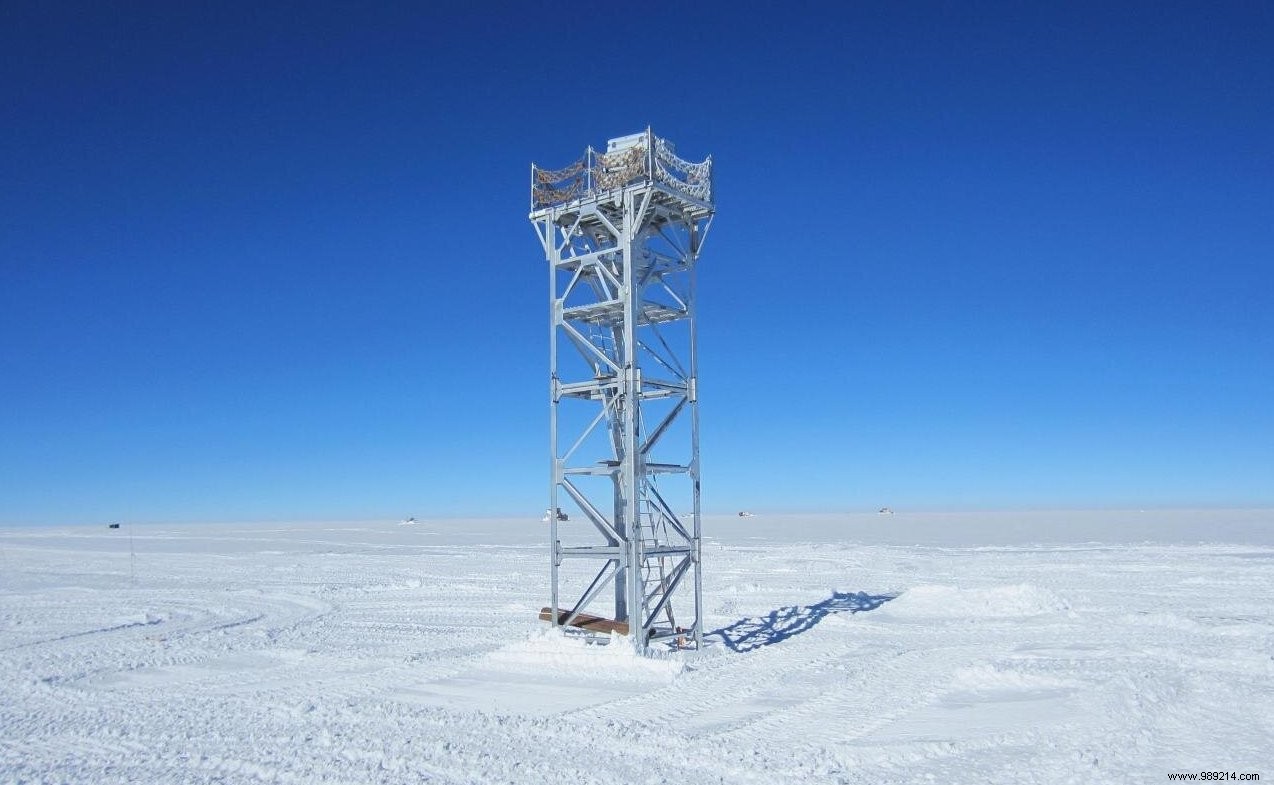
Astronomers quantify turbulence via "seeing," measured in arcseconds—lower is better. Elite sites in Chile and Hawaii achieve 0.6 to 0.8 arcseconds. Dome A's seven-month observations at 8 meters height revealed an astonishing 0.13 arcseconds.

Extreme cold posed challenges during measurements, as Dome A ranks among Earth's coldest spots. Still, researchers estimate optimizations could boost performance by another 10-12%.
