The James Webb Space Telescope (JWST) will not launch on October 31, 2021, as previously scheduled. No new date is confirmed yet, but experts indicate it won't reach space before mid-November.
This isn't the first delay for JWST. Originally slated for 2018, the mission has faced repeated setbacks from technical challenges, escalating costs, and now the COVID-19 pandemic. Just a year ago, launch was targeted for March 2020. Last summer, NASA and the European Space Agency (ESA) pinned it to October 31, 2021. Now, further waiting is required.
During a Tuesday press briefing, Telescope Launch Services Manager Beatriz Romero outlined three critical elements: the telescope's transport, Ariane 5 rocket readiness, and the Guiana Space Centre's operational status.
NASA plans to ship JWST to French Guiana by sea at summer's end, avoiding specifics due to piracy risks. The 55-day launch campaign begins upon arrival.
Ariane 5 has been grounded since August 2020 over a fairing issue, now resolved per Arianespace. However, two prior missions must fly first, with the penultimate one slipping to Q3 2021. JWST requires about four months after Ariane 5's final flight—potentially early July—pushing JWST to November at earliest.
COVID-19 continues to disrupt operations in Guyana, where vaccines remain limited. Evolving health conditions will influence the rescheduled date, likely set by late summer or early fall.
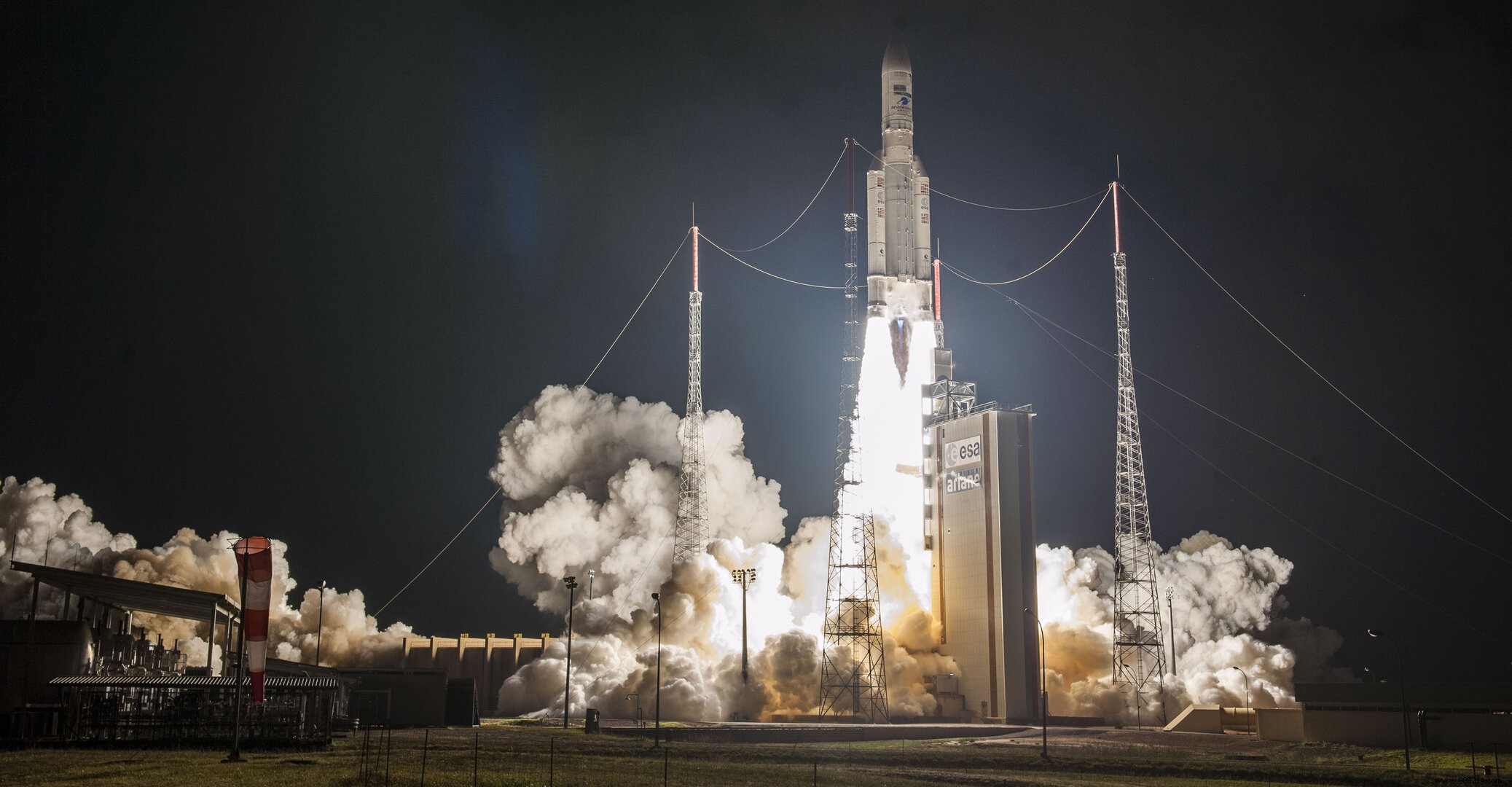
While disappointing, these delays ensure JWST's success. Positioned over 1 million kilometers from Earth, it demands 180+ precise maneuvers post-launch. Any failure could doom the $10 billion observatory. Patience now safeguards decades of groundbreaking astronomy.
A few extra weeks is a small price for perfection.
