Rising temperatures, wildfires, and pollution are increasingly impairing astronomical observations worldwide.
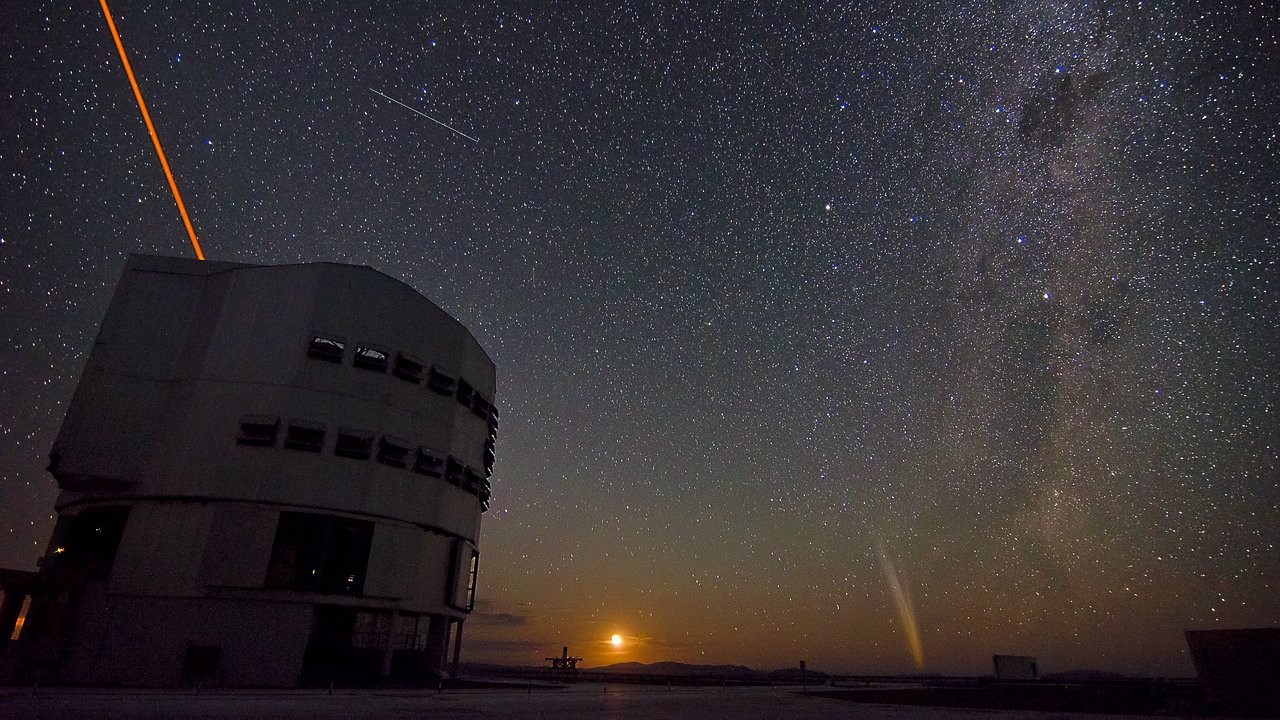
Recent reports have highlighted how expanding satellite constellations could transform night-sky observations for astronomers. Yet climate change poses an equally pressing danger. Researchers at leading institutions, including those analyzing data from Chile's Cerro Paranal Observatory—home to the Very Large Telescope (VLT)—have quantified these impacts based on decades of environmental data.
Over the past four decades, average temperatures at Paranal have risen by 1.5°C, surpassing the global increase of 1°C since pre-industrial times. This warming complicates telescope operations: instruments must be cooled during the day to avoid performance degradation. When sunset temperatures exceed 16°C—triggering dome openings—cooling becomes inadequate, leading to blurred observations.
VLT instruments are particularly sensitive to atmospheric water vapor. Though Paranal sits in one of Earth's driest regions, intensifying El Niño events driven by global warming threaten more humidity. The site's position under a potent jet stream, prone to extreme weather, signals wetter conditions ahead.
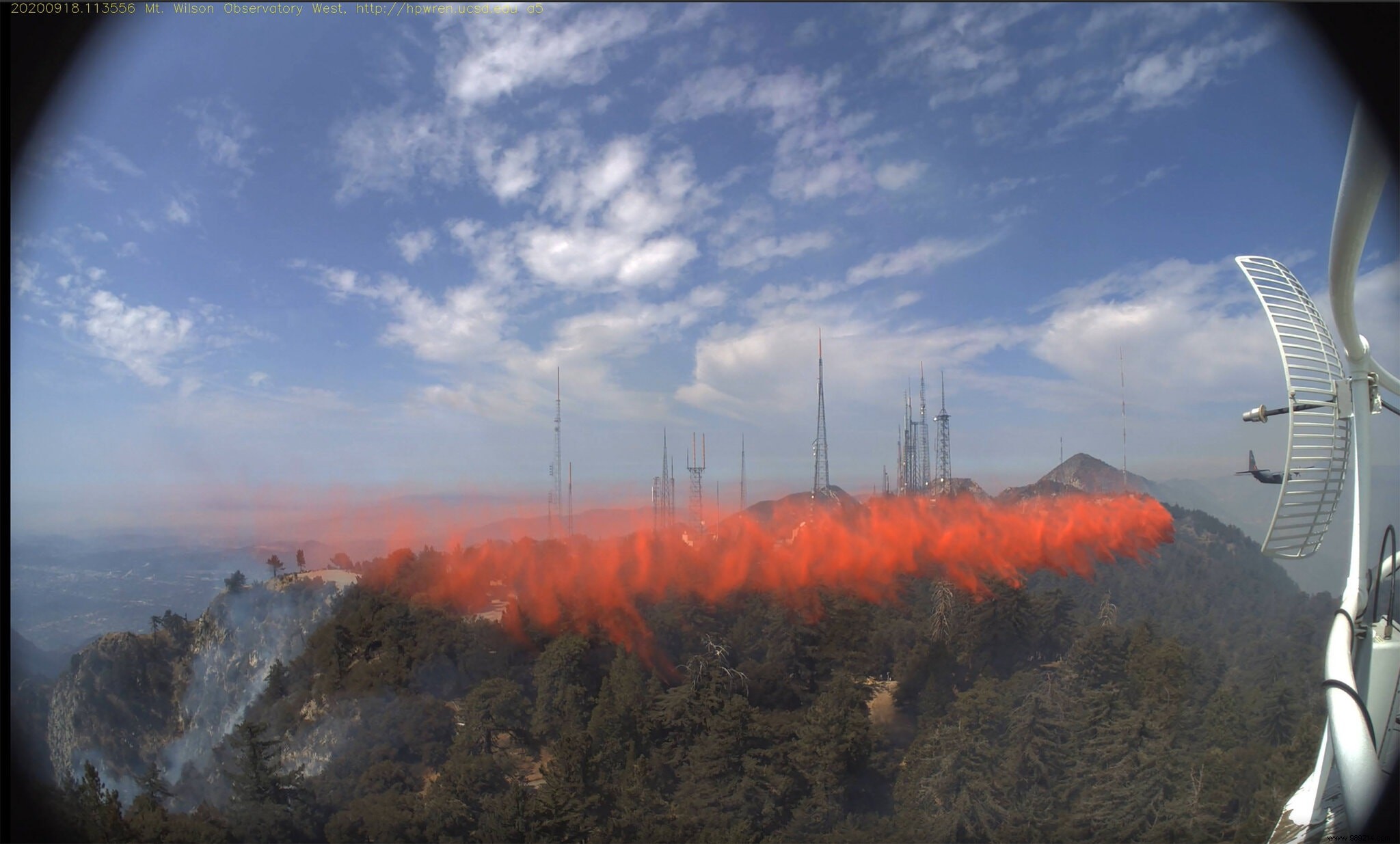
Atmospheric aerosols from Chile's mining industry have increased, scattering light and dimming telescope views. Wildfires, exacerbated by climate change, endanger observatories too. Recently, California's Wilson Observatory escaped encroaching flames, following a similar scare at Lick Observatory. In 2003, a blaze destroyed five telescopes at Australia's Mount Stromlo Observatory, along with invaluable archives.
Beyond external threats, astronomers like Knud Jahnke from Germany's Max Planck Institute for Astronomy urge the field to address its contributions to climate change. A 2018 audit revealed each astronomer emits about 18 tonnes of CO2 annually—nearly double Germany's per capita average—largely from conference air travel and energy-intensive supercomputers.
Recommendations include prioritizing virtual meetings to cut flights, and relocating supercomputers to Iceland, where abundant renewable energy and cooler climates minimize cooling needs.
