NASA and Roscosmos narrow down ISS air leak to Russian segment. Operators have confirmed the ongoing leak, first detected in September 2019, originates in one of the station's Russian modules—though the exact spot remains unidentified.
The International Space Station (ISS), orbiting over 400 kilometers above Earth, naturally loses trace amounts of gas to space, requiring regular repressurization with nitrogen from cargo resupply missions.
In September 2019, teams observed a modest uptick in this loss, signaling a leak. Deemed non-critical, it didn't disrupt key operations like SpaceX's Demo-2 mission or astronaut spacewalks. With no major deadlines until October, NASA and Roscosmos prioritized the hunt for the source last month.
Astronaut Chris Cassidy, along with cosmonauts Anatoly Ivanishin and Ivan Vagner, methodically sealed module hatches and used ultrasonic detectors. Ground teams monitored pressures to pinpoint the leak.
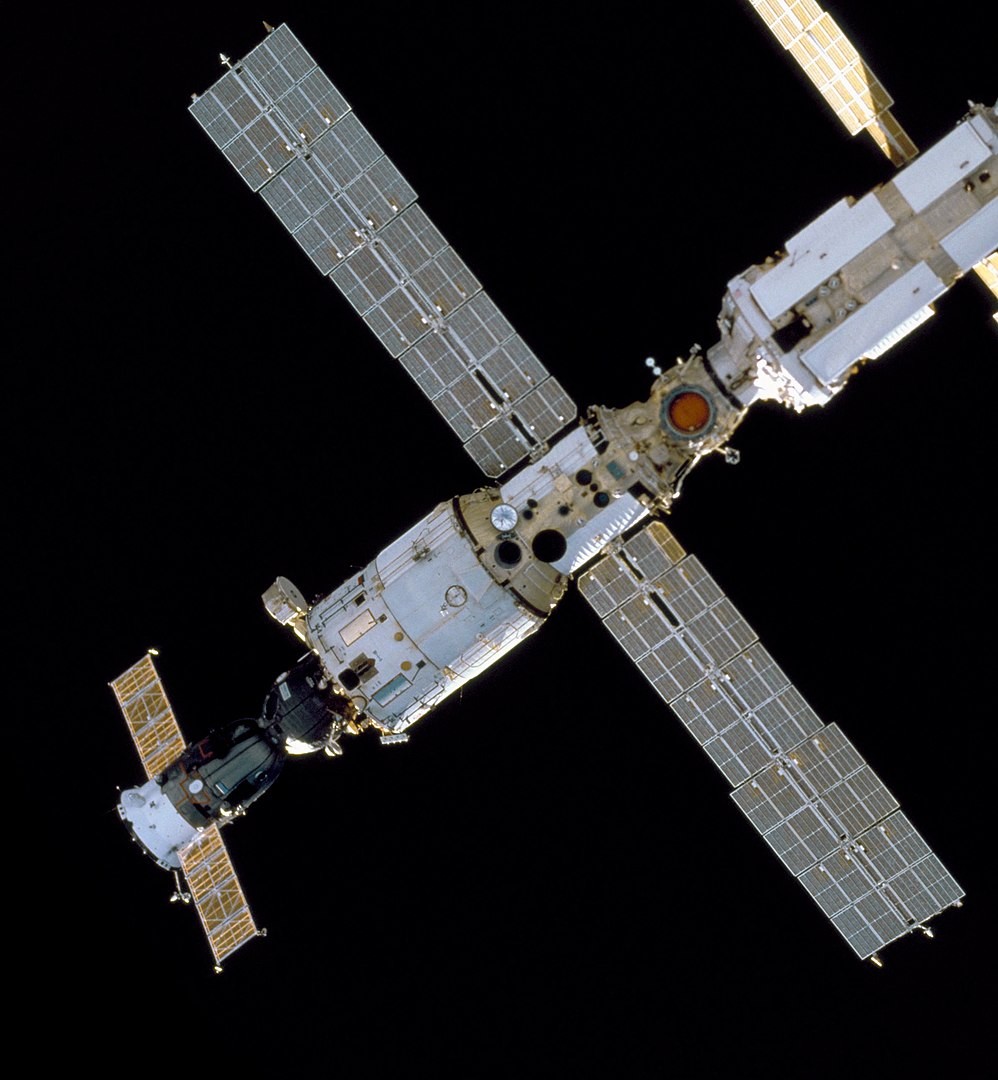
Efforts quickly focused on Russian modules. By Tuesday, operators verified the leak is in the Zvezda service module, the core of the Russian segment.
Zvezda provides oxygen and drinking water for half the station, scrubs CO2 from the air, and houses Russian crew quarters including bedrooms, dining area, refrigerator, freezer, and bathroom.
"Additional work is underway to precisely locate the leak," NASA stated. Officials emphasize no immediate risk to the crew; U.S.-Russian segment hatches are reopened, and normal operations continue.
Crew rotation ahead: Astronaut Kate Rubins and cosmonauts Sergey Ryzhikov and Sergey Kud-Sverchkov launch October 14 on Soyuz. Four more arrive via SpaceX Crew Dragon on October 31. Cassidy, Ivanishin, and Vagner return after six months in orbit.
