The Federal Aviation Administration (FAA) has approved Virgin Galactic to resume flights of its SpaceShipTwo carrier aircraft, which deploys the VSS Unity spacecraft, following a thorough safety investigation into a July incident.
On July 11, Virgin Galactic conducted its first official crewed mission. Released at high altitude from the carrier plane, the VSS Unity suborbital vehicle provided passengers with several minutes of weightlessness before returning to Earth. While initially hailed as a success, the flight soon faced scrutiny.
A New Yorker article published on September 1 revealed that pilots encountered warning lights during ascent, signaling the SpaceShipTwo had deviated from its designated airspace for 1 minute and 41 seconds—over 10% of the flight duration. Virgin Galactic failed to promptly notify the FAA, the U.S. regulator for civil aviation.
The FAA's investigation, which grounded the aircraft in recent weeks, has concluded. Flights are now authorized with required improvements, including "updated calculations to expand protected airspace for future flights" and "additional steps in company flight procedures to ensure real-time mission notifications to FAA air traffic control," per the agency's statement, to prioritize public safety.
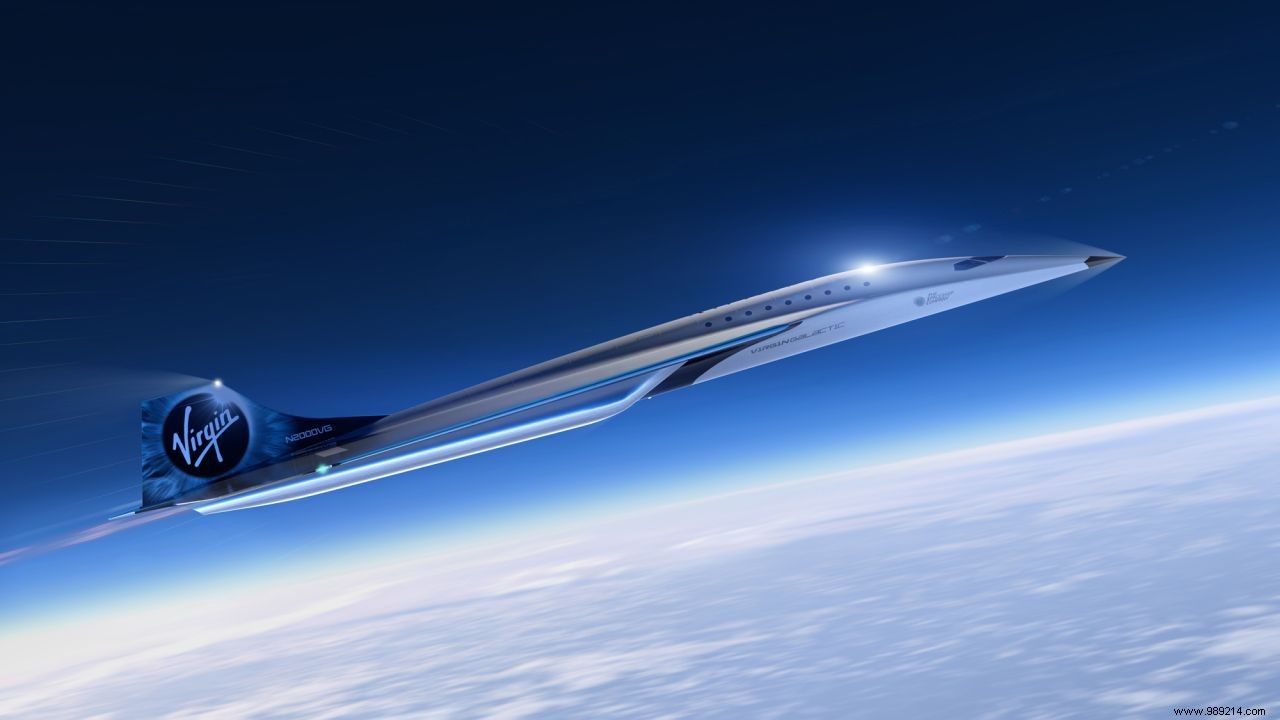
The upcoming Unity 23 mission features three Italian Air Force members and scientific payloads. As a test flight, it paves the way for research missions priced at $600,000. Virgin Galactic has reopened bookings for individual suborbital flights above 80 km, starting at $450,000—up from $200,000 in 2014. Over 1,000 future astronauts have placed $1,000 deposits.
