Physicists at Johns Hopkins University have modeled asteroid deflection strategies inspired by the film Armageddon, determining that nuclear atomization offers the quickest, most reliable response to near-term threats.
The 1998 blockbuster Armageddon depicted a Texas-sized asteroid barreling toward Earth with just 18 days' warning. Oil rig expert Harry Stamper (Bruce Willis) leads a mission to drill and detonate a nuclear device to shatter it. While cinematic, these simulations probe what might work in reality.
Detailed in an upcoming November 2021 issue of Acta Astronautica, Johns Hopkins researchers evaluated urgent responses to incoming asteroids. They ran multiple simulations varying asteroid types and warning times, prioritizing impact prevention to avert catastrophe.
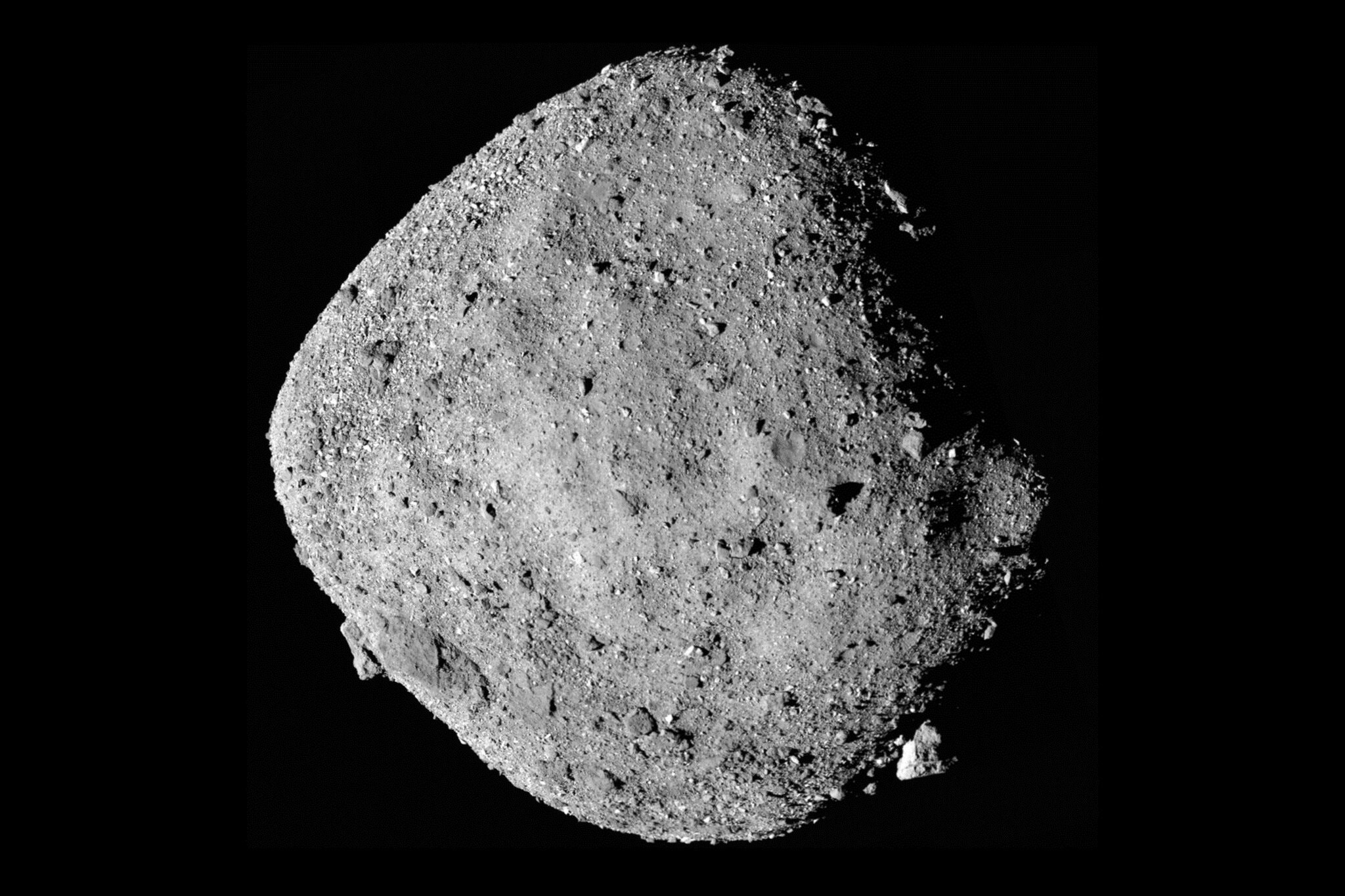
The top strategy: a one-megaton nuclear detonation. For a 100-meter asteroid (five times smaller than Bennu) with two months' warning, atomization slashed projected damage to just 0.1% of an unmitigated strike. A larger asteroid with six months' lead time saw destruction reduced to 1%.
Though highly effective, study leaders stress this as a backup. Preferred methods involve trajectory deflection via kinetic impactors. Notably, China recently proposed launching 23 Long March 5 rockets at Bennu to nudge it off course. With low collision odds, Bennu will pass within 7.5 million kilometers of Earth between 2175 and 2199.
