Renowned condiment leader Heinz has launched its innovative 'Marz Edition' ketchup, crafted from tomatoes cultivated in simulated Martian conditions. This pioneering product stems from two years of dedicated research by experts at the Aldrin Space Institute, part of the Florida Institute of Technology.
Founded in 2015, the Aldrin Space Institute at the Florida Institute of Technology is at the forefront of developing sustainable methods for long-term human habitation on Mars. Under the leadership of Dr. Andrew Palmer, the institute partnered with Heinz to produce ketchup from tomatoes grown in Mars-like environments. From soil formulation to harvest, the project spanned two full years.
While not yet available for commercial sale, a batch of this 'Marz Edition' ketchup was recently presented at Heinz's Pittsburgh headquarters, where it successfully passed rigorous quality assessments and earned certification.
"We are thrilled that our team of experts were able to grow tomatoes in conditions found on another planet and share our creation with the world," said Cristina Kenz, Director of Growth for Kraft Heinz International Zone.
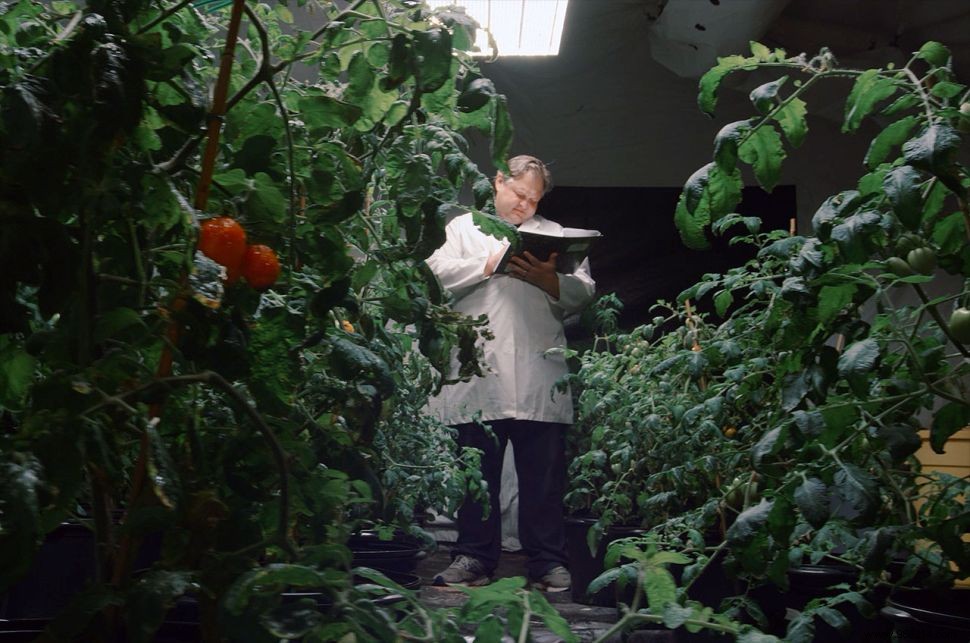
Prior research on Martian simulants has largely targeted fast-growing plants. To prove tomatoes could thrive and yield harvestable crops on Mars, Heinz—whose products have long supported astronauts on the International Space Station—and the Aldrin Space Institute engineered Earth-based soil chemically identical to Martian regolith. Plants were subjected to the same temperature and water constraints as on Mars, with advanced farming techniques applied to preserve the signature Heinz ketchup flavor.
Whether astronauts will soon produce Heinz ketchup on Mars remains speculative. Achieving human presence there is the first hurdle: SpaceX targets a crewed mission by 2026, while NASA and China's space agency aim for the early 2030s.
Beyond the Martian focus and brand innovation, this collaboration holds promise for Earth. The techniques could enable agriculture in the planet's most extreme and remote environments.
