Northwestern University researchers have engineered a promising biomaterial to safeguard astronauts from deadly radiation during deep-space journeys to Mars.
Beyond the engineering hurdles of crewed Mars missions lies a critical threat: intense radiation exposure. This includes solar ultraviolet and gamma rays, plus high-energy cosmic rays from deep space.
Earth's dense atmosphere shields us from these dangers, a protection evolution never prompted us to develop internally. Mars' razor-thin atmosphere offers no such defense, leaving human bodies highly vulnerable.
“Radiation doses in interplanetary space are hundreds of times higher than on Earth over the same period, and several times those experienced by ISS astronauts,” notes Jordanka Semkova of the Bulgarian Academy of Sciences.
Ongoing research reveals cosmic rays' toll on cells, raising cancer risks. A 2015 experiment linked them to brain effects, while mouse simulations indicate severe gastrointestinal damage from space travel.
As NASA eyes Mars, innovative shielding solutions are essential. Traditional options like water or lead are heavy and costly for long-haul missions.
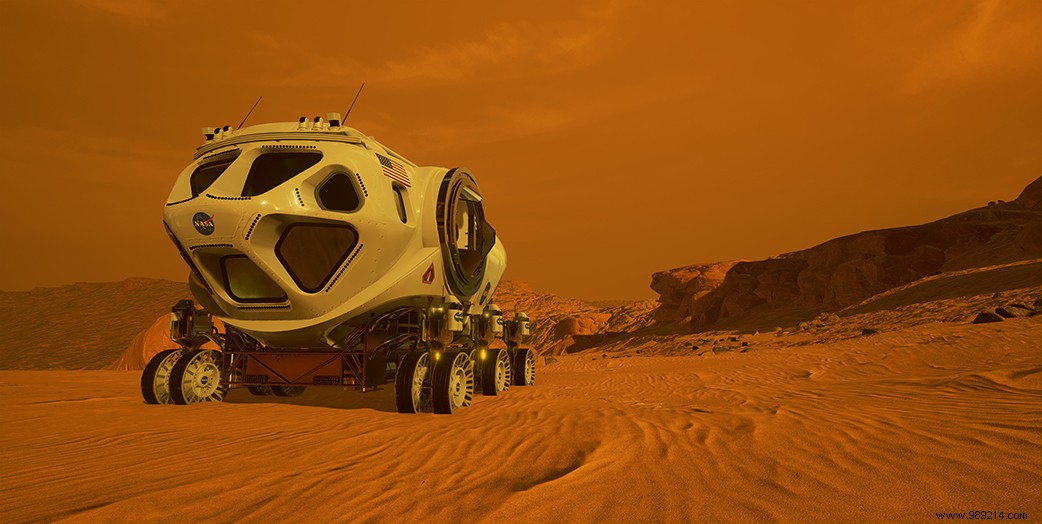
For years, Nathan Gianneschi's team at Northwestern University in Evanston, Illinois, has refined melanin-based "space sunscreen."
These natural pigments color our skin and hair while blocking UV rays. Melanins split into eumelanin (dark tones) and pheomelanin (sulfur-rich, reddish hues).
Pheomelanin excels at absorbing X-rays. Sourcing it from rooster feathers, the team boosted its potency by swapping sulfur for selenium—a cancer-fighting element—creating "selenomelanin."
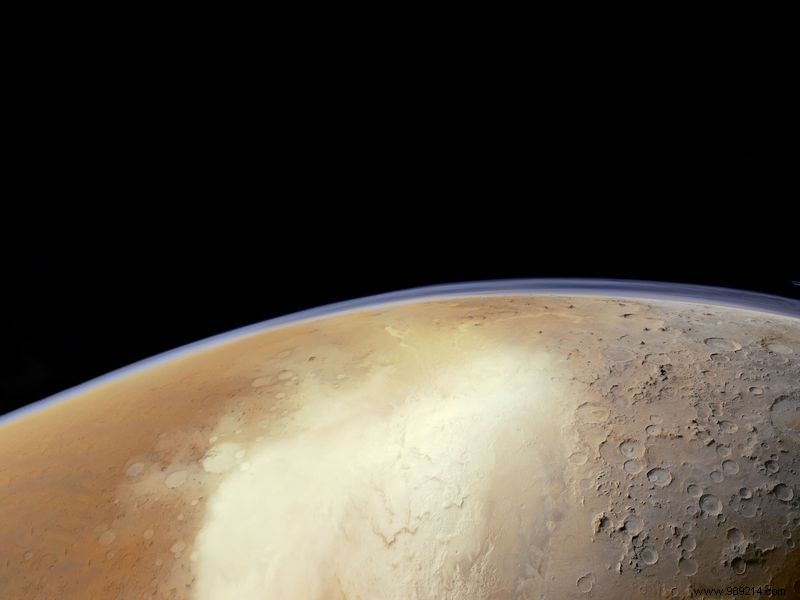
In tests, skin cells treated with selenomelanin withstood lethal X-ray doses. The pigment formed "microparasols" inside cells, guarding DNA-packed nuclei.
Selenium-fed bacteria also produced selenomelanin, hinting at in-space manufacturing for Mars missions—a game-changer for logistics.
Human trials and space-based validation are next. Success could embed this shield in astronauts' suits and apparel.
