Researchers at the University of Warwick have confirmed 50 exoplanets using a sophisticated machine learning algorithm, paving the way for accelerated discoveries in the future.
Astronomers hunt for exoplanets using the transit method, which detects small, regular dips in a star's brightness caused by planets passing in front of their host star. However, these signals can sometimes result from binary star systems or background objects, leading to false positives.
Telescopes generate vast amounts of data, making manual vetting time-consuming. Advanced tools are essential to sift through candidates efficiently.
Experts from Warwick's physics and computer science departments developed a machine learning algorithm to distinguish genuine exoplanets from false positives. Trained on confirmed planets and impostors from NASA's Kepler mission, the algorithm was then applied to previously unexamined Kepler data.
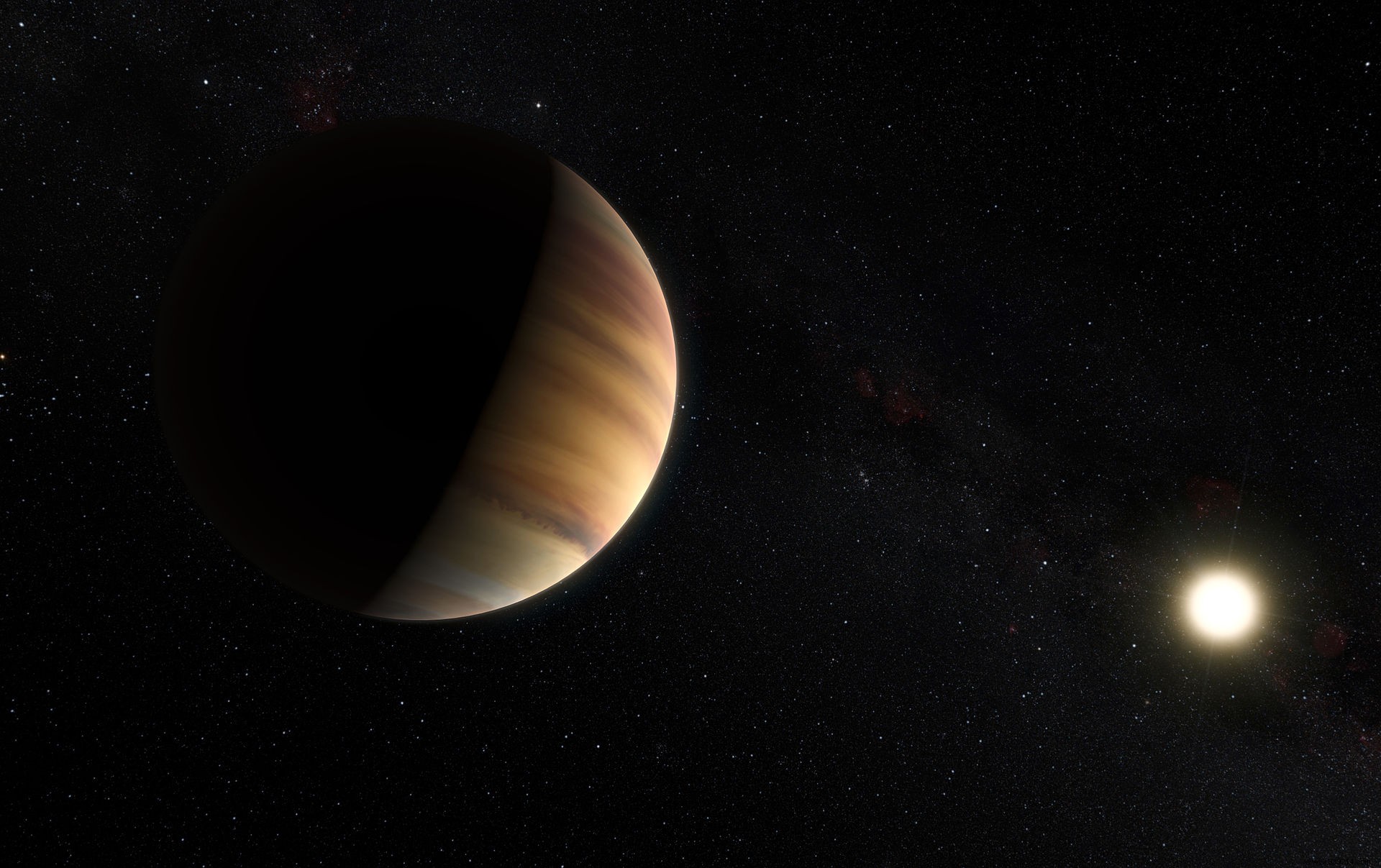
The result: 50 newly confirmed planets with remarkable diversity. Some rival Neptune in size, others are Earth-like. Orbital periods vary widely, from 200 days to just one day for scorching hot Jupiters. These worlds are now prime targets for follow-up observations.
The team plans to extend this technique to data from TESS, Kepler's successor, which recently completed its primary two-year mission and entered a two-year extended phase.
“A survey like TESS should deliver tens of thousands of candidates over the next few years. And it would be ideal to be able to analyze them all in a coherent way,” said lead author David Armstrong, an astronomer at Warwick. “Fast, automated systems like this can lead us to validate these planets faster and more efficiently.”
