Deinococcus bacteria have endured three years in the vacuum of space, according to researchers. This resilience suggests they could potentially survive interplanetary journeys, such as between Earth and Mars.
The panspermia hypothesis posits that microbes can travel between planets via meteorites or comets, potentially seeding life throughout the universe. Some scientists even propose that life on Earth originated from extraterrestrial sources, evolving in favorable conditions upon arrival.
This intriguing theory requires microorganisms to withstand extreme challenges, including drastic temperature swings and intense space radiation.
Years ago, scientists detected Deinococcus bacteria at altitudes of 12 kilometers above Earth. Known for forming robust colonies resistant to UV radiation, the question remained: Could they survive prolonged exposure in space to enable interplanetary travel?
In 2015, Dr. Yamagishi and his team from the University of Tokyo tested this by exposing dried bacterial aggregates in varying thicknesses to the harsh environment outside the International Space Station (ISS) for three years. Their findings, published recently in Frontiers in Microbiology, reveal striking results.
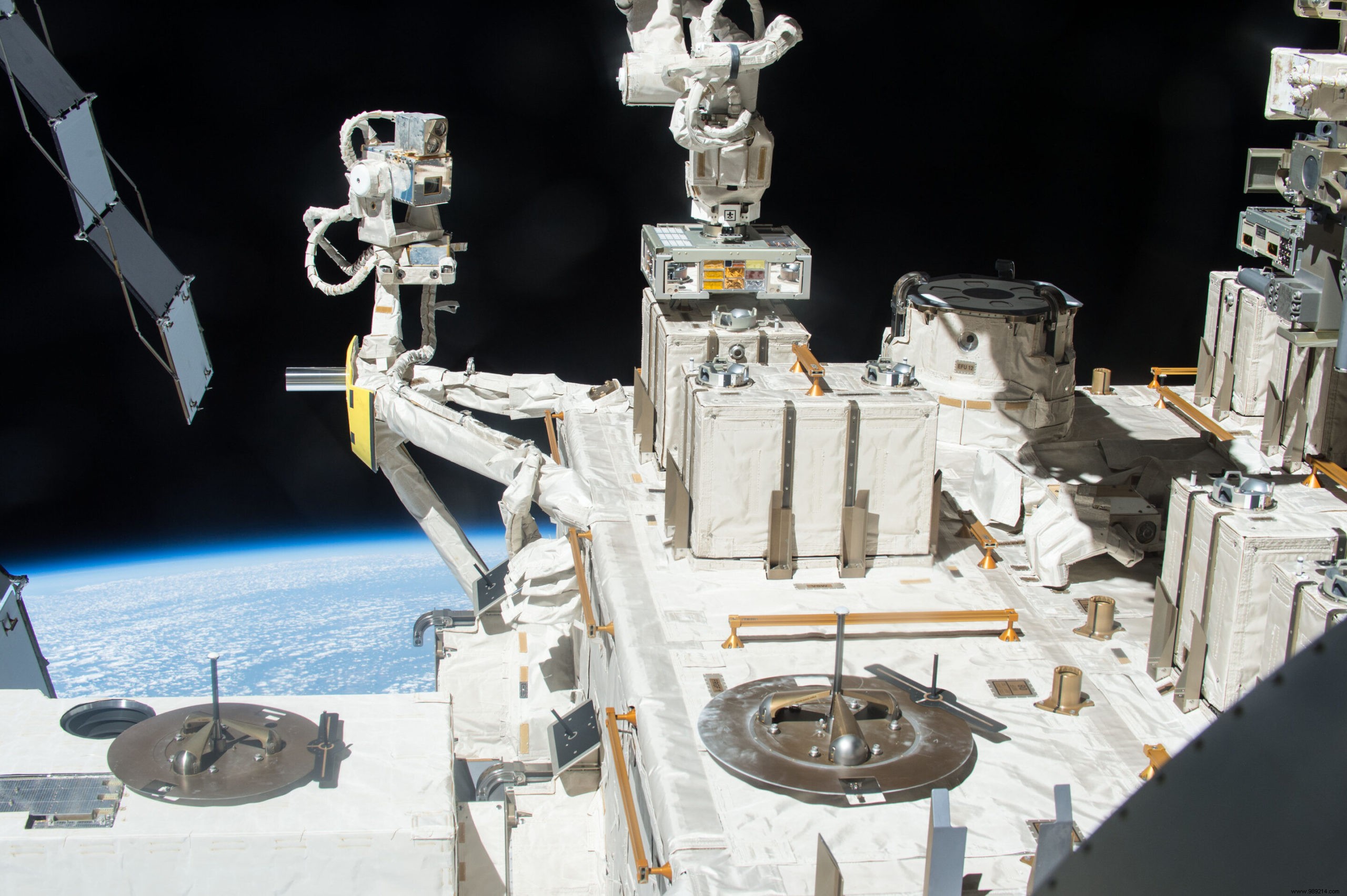
Aggregates thicker than 0.5 mm partially survived. Surface bacteria perished, but they formed a protective shield for inner colony members.
Extrapolating from the data, the team estimates these aggregates could last about 15 years on the ISS. A 1 mm-diameter colony might endure up to eight years in deep space vacuum—long enough for a round trip to Mars.
Prior studies showed bacteria surviving space when shielded by rocks. This research is the first to demonstrate survival as unprotected aggregates, a phenomenon dubbed "massapanspermia" by the authors.
More experiments are needed, including tests on planetary re-entry survival. Yet, if confirmed, panspermia could explain life's origins on Earth—or even suggest Earth has exported life to places like Mars, much like dandelion seeds on the wind.
