Two exciting NASA citizen science projects invite you to discover new planets from your couch using data from the TESS satellite—potentially revealing an Earth 2.0.
Launched in 2018, NASA's Transiting Exoplanet Survey Satellite (TESS) succeeded the renowned Kepler telescope, which identified over 4,000 potential new worlds.
Like Kepler, TESS hunts exoplanets by detecting dips in starlight from more than 200,000 nearby stars via the transit method. In its initial two-year mission, it surveyed nearly the entire night sky and confirmed nearly 100 new exoplanets, alongside thousands of candidates awaiting verification.
While algorithms aid detection, they falter on faint signals, requiring human expertise for manual review. The human eye excels here, and with vast datasets overwhelming astronomers, your participation is invaluable.
Citizen science has a proven track record in astronomy. In 2017, NASA launched a site for detecting distant Solar System objects, including the hypothesized Planet Nine. Nearly half of known comets were found by volunteers.
Now, NASA seeks your help with Planet Hunters TESS and Planet Patrol. Review TESS images to distinguish genuine exoplanet signals from false positives.
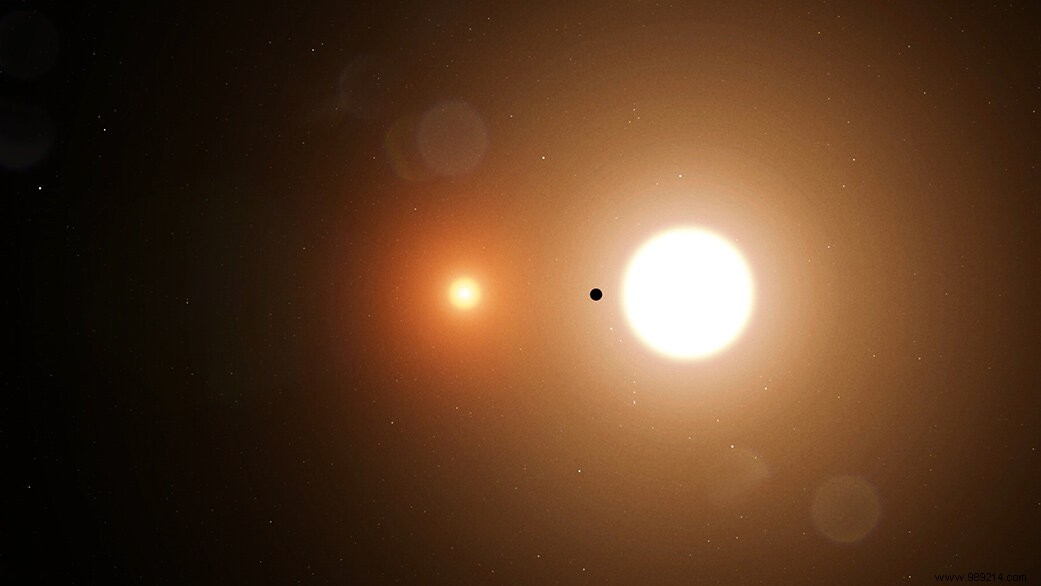
With its mission extended two more years, TESS is poised to confirm thousands of exoplanets. Unlike Kepler's distant finds, TESS targets are closer—within 100 light-years—many Earth-sized or slightly larger.
These worlds will be ideal for the James Webb Space Telescope (JWST), launching soon, to analyze atmospheres for signs of life via chemical signatures.
By sifting TESS data today, you could contribute to unveiling a potentially habitable exoplanet tomorrow.
