SpaceX recently bolstered its Starlink constellation with dozens of new satellites, but challenges persist. While thousands more launches are planned, a portion of the existing fleet has already gone dark.
Following a successful launch of about 60 Starlink satellites in early October 2020, the constellation now totals 773 satellites. The long-term goal is at least 12,000, with Elon Musk aiming for a staggering 42,000 to deliver high-speed internet worldwide. Remote communities, like the Hoh Tribe in Washington state, are already benefiting from this coverage.
However, as reported by Business Insider on October 16, 2020, astronomer Jonathan McDowell from the Harvard-Smithsonian Center for Astrophysics estimates that 3% of Starlink satellites are no longer functioning.
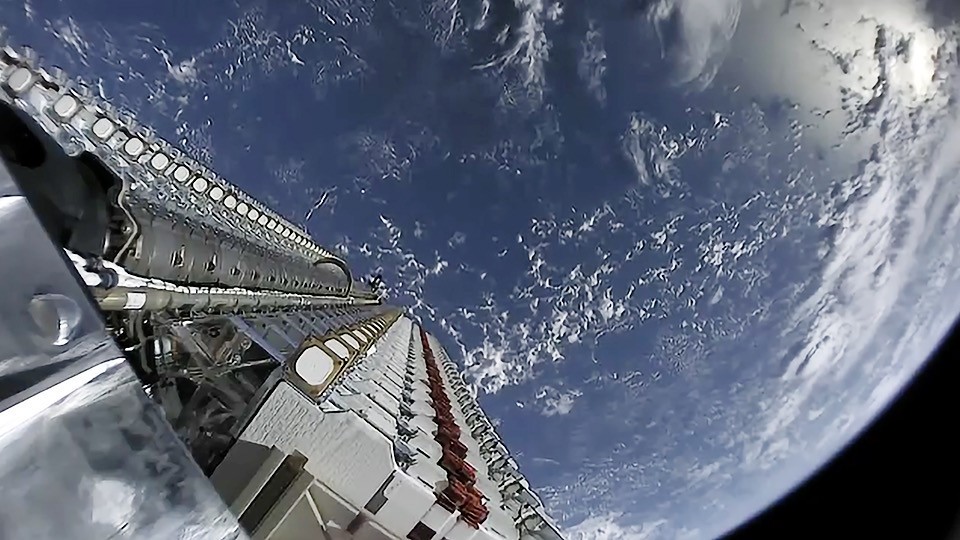
Deploying satellites is complex; failures in communication systems or thrusters can turn them into space debris. This growing problem threatens other assets, like the International Space Station (ISS), which houses astronauts.
The primary concern is high-speed collisions, which create more debris and could trigger the Kessler syndrome—a cascading domino effect cluttering orbits. With only a fraction of the planned satellites launched, proactive management is essential.
McDowell's 3% figure comes from tracking satellite movements, though SpaceX hasn't disclosed an official failure rate. He views it as a manageable rate, but scaling up amplifies the issue.
Simple math highlights the stakes: At 3% failure on 42,000 satellites, that's 1,260 units—each around 250 kg—potentially adrift. SpaceX reassures that failed satellites are designed to deorbit naturally and burn up in Earth's atmosphere. Developments to watch.
