SpaceX has officially invited select North American users to join the public beta test of its Starlink satellite internet service. Participants need to purchase the full ground station kit and commit to a monthly fee that, while high, supports this pioneering global connectivity push.
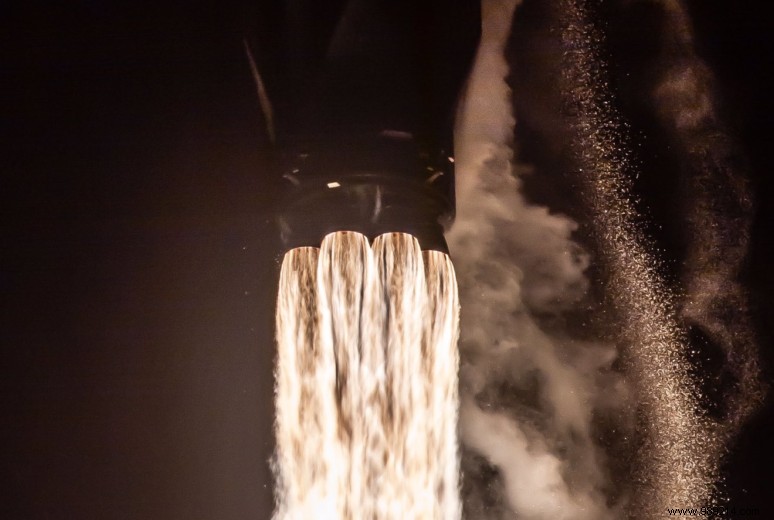
On October 26, SpaceX deployed 60 more satellites into the Starlink constellation, now totaling 893 in orbit. This growing network, aiming for at least 12,000 satellites, is positioned to deliver high-speed internet worldwide, with enough coverage now for initial limited service rollout.
SpaceX teams have been testing user terminals for weeks, gathering latency data and speed metrics. Recently, the company opened registration for northern U.S. residents via a dedicated site. Approved testers received detailed emails outlining next steps.
The email sets realistic expectations: "Data speeds may range from 50MB/s to 150MB/s and latency from 20ms to 40ms over the next few months as we improve the Starlink system." Brief outages are also anticipated during optimization.
Access requires ordering SpaceX's user terminal—a compact "UFO on a stick," per Elon Musk—for $499 (about 430 euros). A $99 (about 85 euros) monthly fee keeps service active, with ordering via a provided link.
The Starlink app simplifies setup, using augmented reality to identify optimal sky views for unobstructed satellite links.
While current pricing and speeds are premium and moderate, this beta marks a key step. As more satellites launch, expect throughput to reach 1Gb/s and latency to drop to 16-19 ms. Future consumer plans hint at "around $80 per month" with "setup fees between $100 and $300."
