Engineers at the iconic Arecibo Observatory are battling critical structural threats. Following an initial cable break and planned repairs, a second failure has escalated concerns, though experts remain focused on stabilization efforts.
Nestled in Puerto Rico, the Arecibo radio telescope stands as a cornerstone of astronomical research. Operated by the National Astronomy and Ionosphere Center (NAIC) since 1963, it earned a spot on the National Register of Historic Places in 2008. Until 2016, it held the record as the largest single-aperture radio telescope ever constructed, gathering vital data on radio astronomy, atmospheric science, and planetary radar for global researchers.
A November 8, 2020, statement from the University of Central Florida highlights the mounting challenges. In August 2020, an auxiliary cable snapped, ripping a 30-meter gash in the antenna. Teams prepared a meticulous repair plan prioritizing safety, but tragedy struck again with a second cable failure.
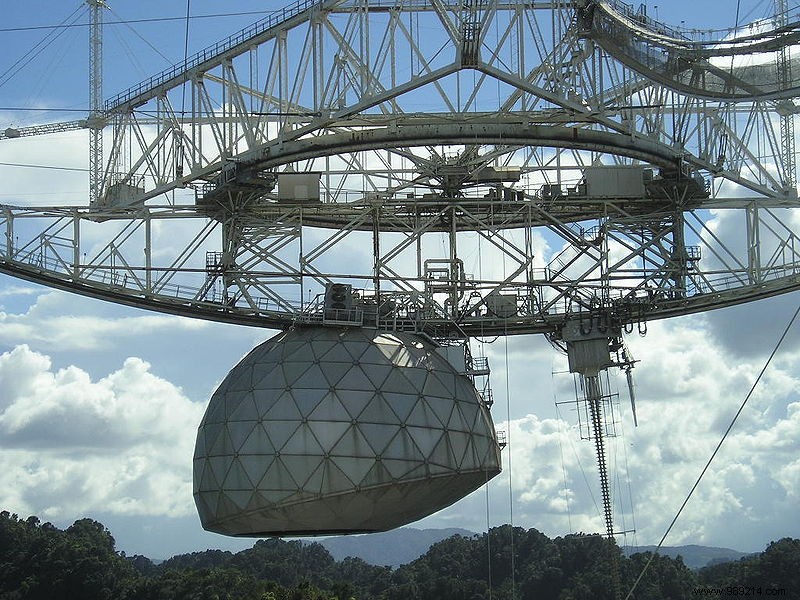
Director Francisco Cordova voiced serious worries, relieved that no one was injured. The failed cables were anchored to the same support tower, where the first break overloaded the second. Before additional safeguards could be installed, it too gave way, inflicting more damage to the reflector dish and straining surviving cables.
Officials now fear for the observatory's overall integrity. Two replacement cables are en route to bolster the structure and ease tension on the remaining lines. Until they're in place, uncertainty looms large.
At 57 years old, Arecibo has decades of potential service ahead. Dedicated teams are working tirelessly to prevent a total collapse, even as hurricane season adds peril. They're racing toward a permanent fix while bracing for severe weather.
