The inaugural meeting of the Square Kilometre Array Observatory (SKAO) Board has greenlit action plans to construct the world's largest radio telescope over the next decade. This groundbreaking project, one of the 21st century's most ambitious scientific endeavors, aims to unravel the universe's deepest mysteries.
As excitement builds around the James Webb Space Telescope's launch, attention turns to the Square Kilometre Array (SKA)—humanity's future largest radio telescope. Spanning two primary sites in the Northern Cape, South Africa, and Murchison, Western Australia, this network of radio receivers is slated for full operations by 2030. Its unmatched resolution, sensitivity, and advanced computing power will enable astronomers to probe deeper into the cosmos than ever before.
The international treaty establishing the observatory took effect last month, paving the way for the first Council meeting (held virtually due to the pandemic). This gathering advanced a project conceptualized over 30 years ago. "This meeting truly marks the birth of the observatory," stated Professor Phil Diamond, SKAO's inaugural chief executive and leader of the UK-based not-for-profit steering the initiative.
Practically speaking, the session established essential policies, regulations, and procedures to bring the SKA to fruition. France has now formally applied for full membership, building on its prior observer role via institutions like the Paris Observatory, CEA, and companies such as Air Liquide and Thales, coordinated by the CNRS.
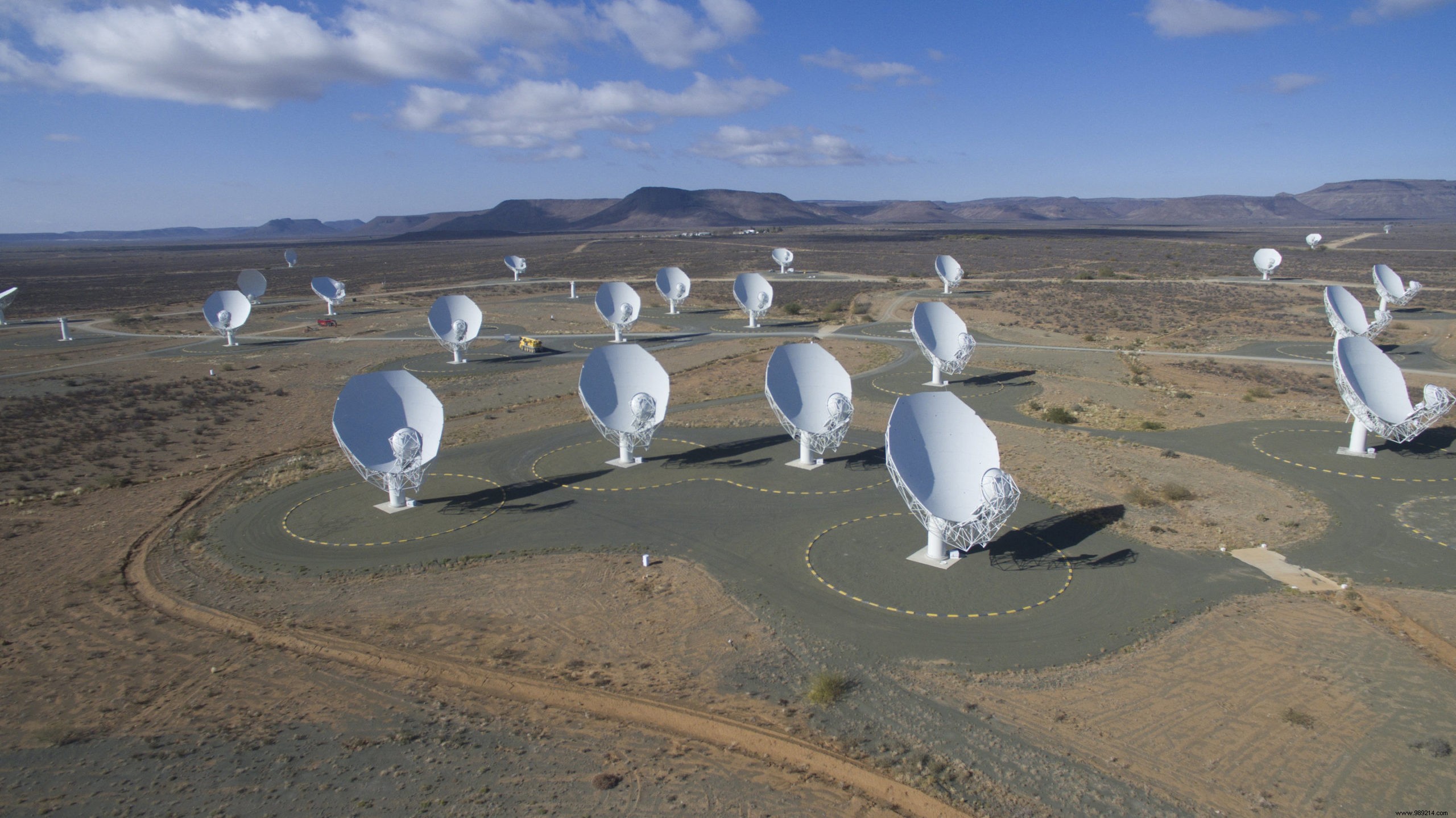
Construction kicks off soon, with tenders launching in July and groundbreaking later this year. The project, including operations through the decade, carries an estimated cost of about two billion euros.
The SKA will feature parabolic antennas alongside dipole arrays resembling old TV antennas, delivering a collecting area of several hundred thousand square meters. Operating from 50 MHz to 25 GHz, it will capture faint radio signals from sources billions of light-years away.
Key questions—like the birth of the first stars, the nature of "dark energy" accelerating cosmic expansion, and the search for extraterrestrial life—stand to benefit from the SKA's unprecedented sensitivity, addressing core astrophysics challenges.
SKA leaders have raised concerns over satellite constellations' radio interference, akin to optical streaks but via downlink signals. Yet, Professor Diamond praised collaborations with SpaceX and OneWeb to mitigate these issues constructively.
