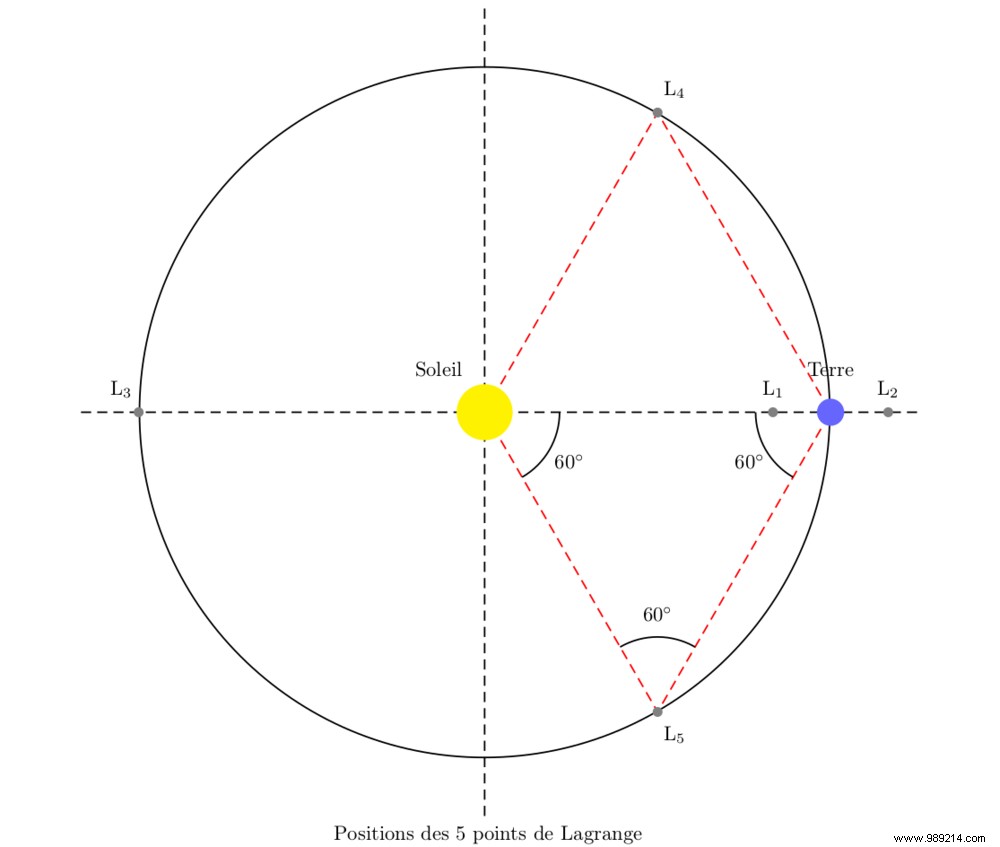
NASA's James Webb Space Telescope (JWST) has executed its final thruster burn to settle into orbit at the Sun-Earth Lagrange Point 2 (L2), over 1.5 million kilometers from Earth. With its massive mirror deployed and instruments calibrated, this unparalleled observatory is ready to unlock the universe's deepest secrets.
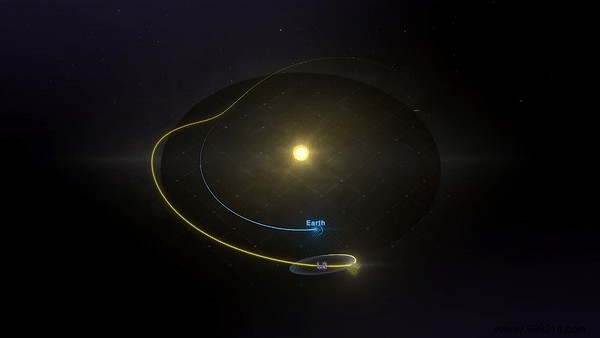
Mission accomplished! On January 24, 2022, ground teams at NASA's Goddard Space Flight Center completed the crucial maneuver, positioning JWST at L2 where Earth and Sun gravity balance perfectly. This halo orbit keeps the telescope fixed relative to both bodies, preventing Earth from eclipsing the Sun and maintaining precise thermal stability for its sensitive instruments.
Launched on December 25, 2021, from French Guiana aboard an Ariane 5 rocket, the observatory has traveled a month-long journey to this vantage point.
NASA mission operators will perform minor thruster firings about every 21 days to fine-tune the orbit. Even with these adjustments, onboard fuel reserves are expected to support well beyond the planned 10-year mission lifespan.
Now stationed at L2, the telescope enters a multi-month commissioning phase focused on rigorous testing and mirror alignment. Although its 18 mirror segments unfurled successfully on January 8, engineers must precisely align them using a bright guide star.
The goal: position segments with gaps smaller than 1/5000th the width of a human hair, creating the effect of a single 6.5-meter monolithic mirror.
Fully aligned, JWST will peer into the infrared spectrum, revealing faint light from the universe's earliest stars and galaxies, and piercing dense dust clouds to witness star and planet formation. Initial science operations are slated to begin in roughly six months.
As Joel Primack, astrophysicist at the University of California, Santa Cruz, told Newsweek, NASA may release stunning "first light" images as early as summer 2022, with higher-quality views to follow.
