Measuring just the size of a dictionary, the Ledsat CubeSat integrates LED lights to improve collision avoidance in orbit. While not visible to the naked eye, it can be tracked from Earth using ground-based telescopes.
Developed through a collaboration between students from Rome University's S5Lab (Italy) and the University of Michigan's Astronomy Department (United States), Ledsat was detailed in the journal Advances in Space Research (December 2020 issue). This minisatellite, built on the CubeSat platform—commonly used in university educational programs—features red, green, and blue LED lamps. Retroreflectors further enable laser-based tracking from ground telescopes and observatories.
The mission evaluates these LEDs' effectiveness for optical satellite tracking across their operational lifespan, including periods when satellites are unlit by the sun and nearly invisible from Earth. Optical data will determine altitude, validate measurements, and test an LED-based communication system as a reliable backup for telemetry failures.
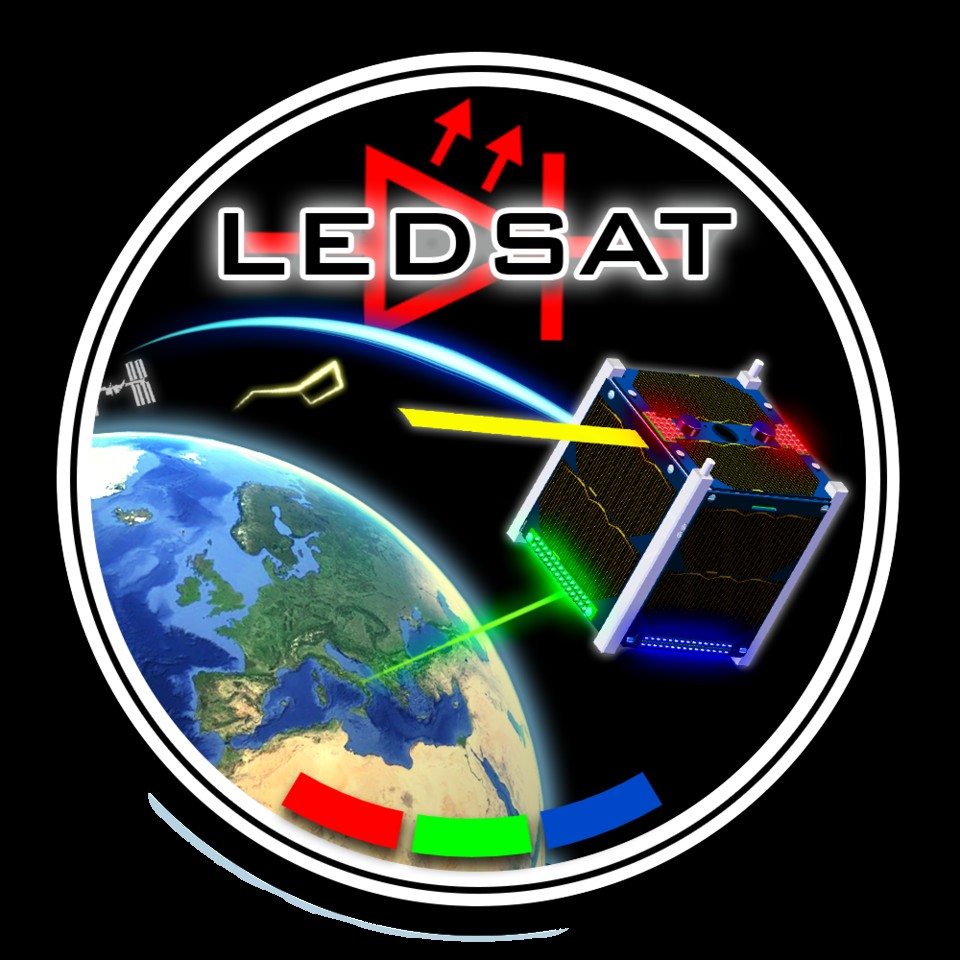
Selected for the European Space Agency's (ESA) Fly Your Satellite! program, Ledsat addresses growing space traffic challenges. Student teams pitch projects, with top selections advancing to launch—ESA greenlit Ledsat for a 2021 mission. As satellites proliferate, collision risks and space debris generation escalate.
In 2018, ESA's Clean Space initiative targeted debris reduction, monitoring approximately 29,000 objects over 10 cm. Goals include designing debris-minimizing satellites, orbital cleanup, and recycling solutions.
