The U.S. Space Force has released its foundational 41-page doctrine, titled "Spacepower." This document outlines the essential principles guiding the operations of America's newest military branch dedicated to space.
Just over two years ago, President Donald Trump announced plans for a dedicated U.S. space force, overseen by Joint Chiefs Chairman Gen. Joseph Dunford. It became the sixth independent branch of the U.S. military. "It's not enough just to have an American presence in space. There must be American dominance in space. We're going to have a Space Force," he declared.
This inaugural doctrine explains the vital role of space power for national security, highlighting its strengths, core values, and operational applications.
Gen. Jay Raymond, Chief of Space Operations, states: "This first release will also serve as a foundation from which to add new doctrines as the U.S. Space Force evolves and responds to changing conditions."
He adds: "In short, this summary document is the foundation of our professional body of knowledge as we forge an independent military service engaged in space operations."
The "Spacepower" doctrine underscores the critical importance of space—long viewed by U.S. military leaders as the ultimate strategic domain.
"Strength and security in space enables freedom of action in other areas of warfare while contributing to international security and stability," it states in the "Military Space Power: Guiding Principles" section.
"The United States must adapt its national security space organizations, doctrine, and capabilities to deter and defeat aggression and protect national interests in space."
A key principle stresses flexibility and adaptability amid evolving threats. The U.S. Space Force prioritizes "organizational agility, innovation, and audacity," embracing "measured risk-taking as opportunities to learn and adapt quickly."
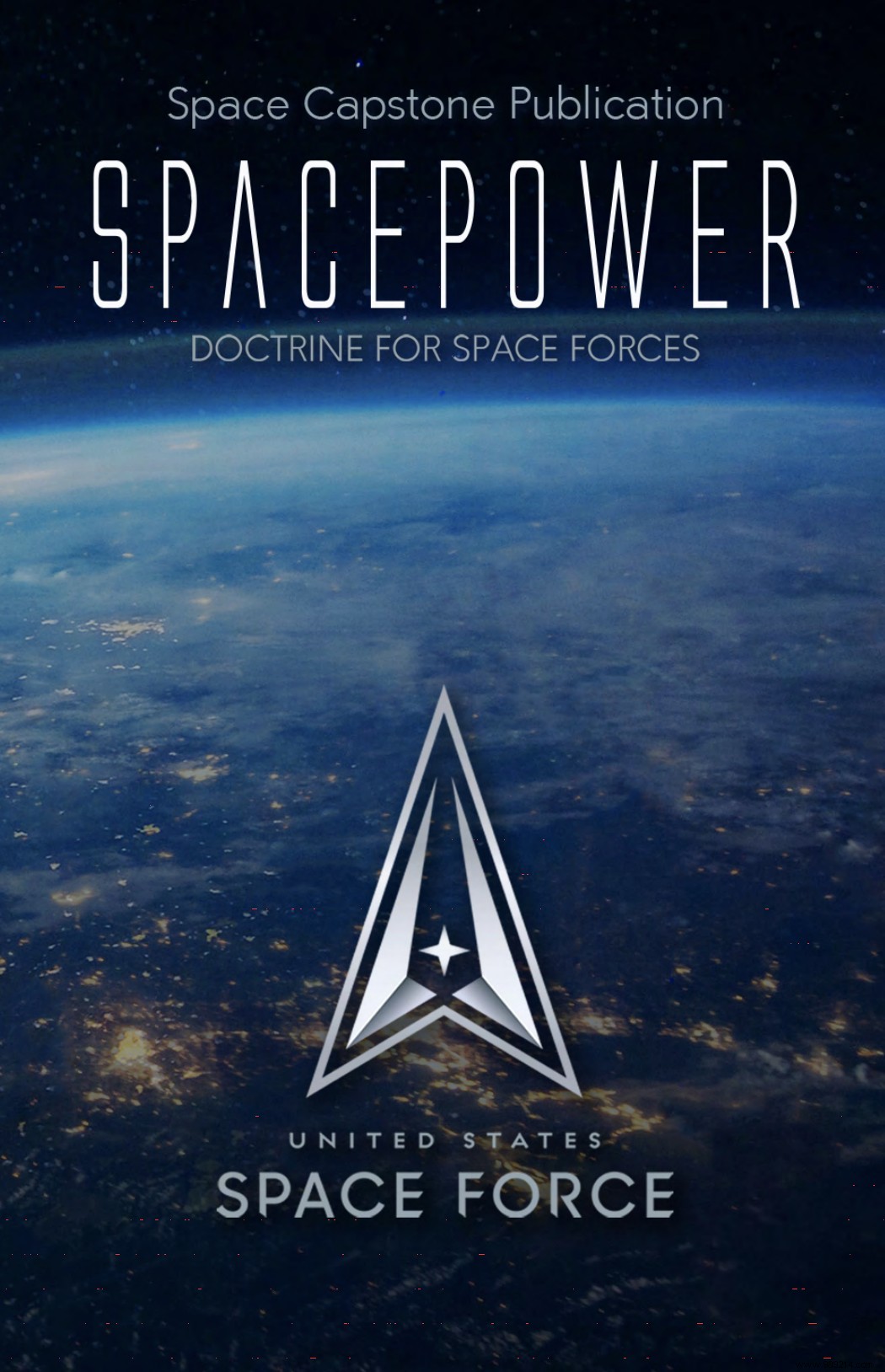
The doctrine addresses the reality that adversaries have transformed space into a warfighting domain, as noted in a U.S. Space Force press release.
While not named directly, capabilities from nations like China—which can intercept missiles in space—and Russia—developing satellite-destroying lasers—are clear concerns.
This signals accelerating space militarization. The U.S. Space Force's doctrine positions it to compete effectively.
The 1967 Outer Space Treaty bans nuclear weapons and weapons of mass destruction in orbit, along with "establishing military bases, installations, or fortifications, testing weapons of any kind, or conducting military maneuvers."
However, it does not prohibit a space force, provided activities comply. Conventional anti-satellite systems remain permissible.
In a major conflict, nations could target rivals' space assets, including GPS, surveillance, and communications.
