Perseverance's MEDA instrument provides critical insights into Jezero Crater's weather, aiding sample return missions and human exploration preparations.
Weather influences our daily decisions on Earth—grabbing a jacket for wind or postponing travel for storms. Mars mission teams face similar challenges, relying on precise meteorological data to plan operations effectively.
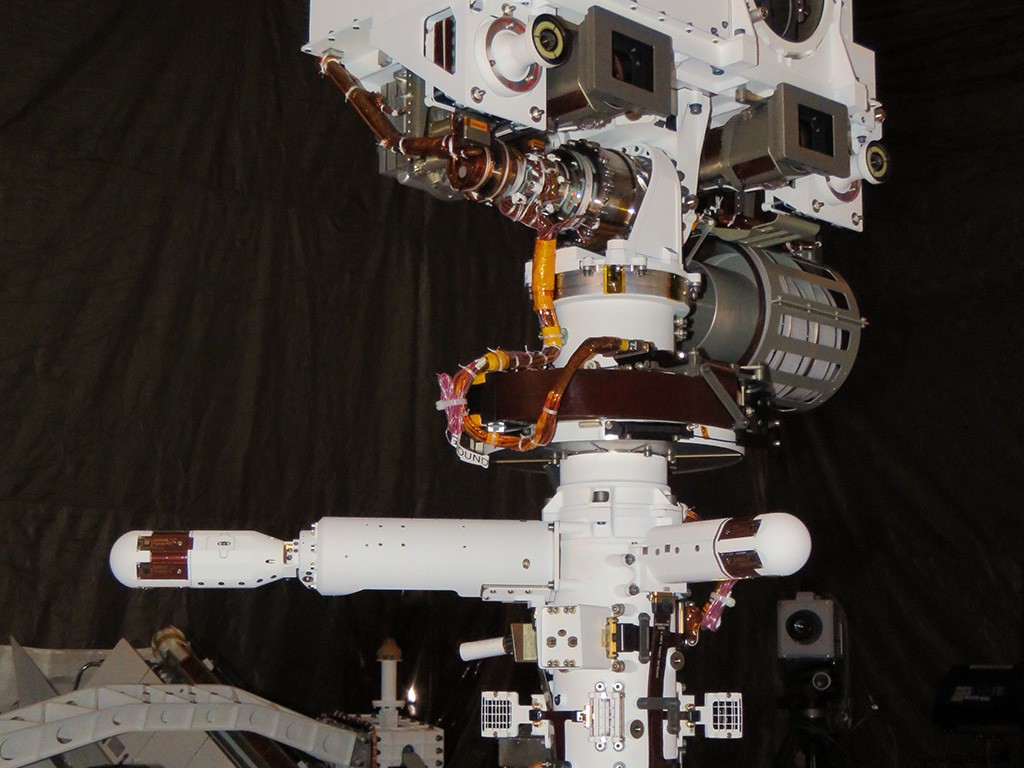
Aboard Perseverance in Jezero Crater is the Mars Environmental Dynamics Analyzer (MEDA), a sophisticated weather monitoring system.
Weighing just 5.5 kg, MEDA features multiple sensors that capture essential data, including dust levels, wind speed and direction, atmospheric pressure, relative humidity, and ground temperature. It measures air temperature at three levels: 0.84 meters, 1.45 meters, and 30 meters, while also tracking near-surface radiation balance.
MEDA operates autonomously, collecting data every hour—day or night, regardless of the rover's activity.
MEDA activated for the first time on February 19 for 30 minutes, shortly after landing. That night, engineers confirmed the instruments' integrity with initial data. Hours later, the first full weather report arrived.
Surface temperature was -20°C at startup, dropping to -25.6°C after 30 minutes.
The radiation and dust sensor indicated cleaner air in Jezero than in Gale Crater, home to Curiosity over 3,700 km away. Local pressure measured 718 Pascals, aligning with models predicting 705–735 Pa for that Martian season.
A later report from sols 43 and 44 (Earth dates April 3–4) showed daytime highs of -22°C and nighttime lows of -83°C, with wind gusts up to 10 meters per second.
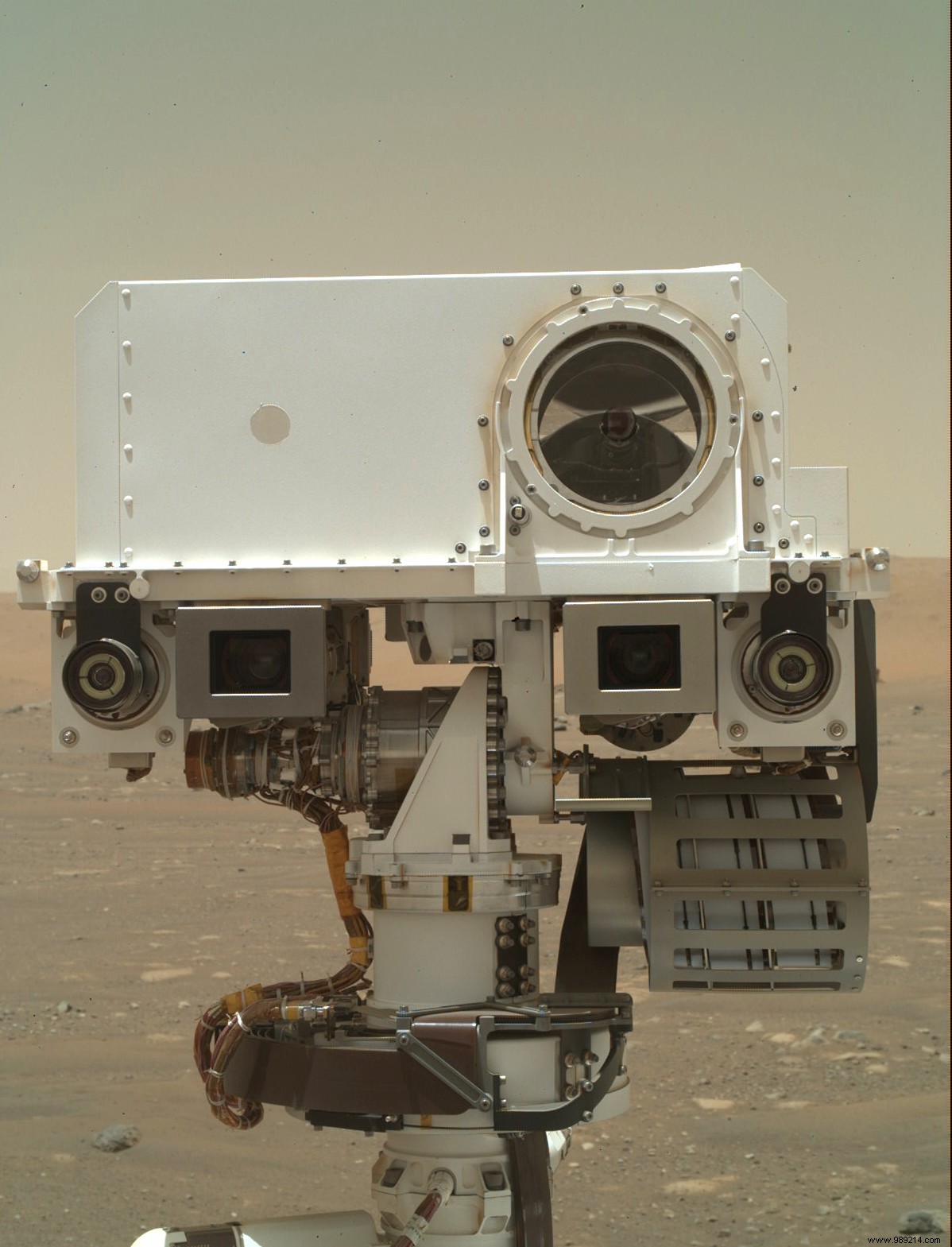
While orbiters and telescopes have mapped Mars' climate, on-site data from MEDA offers unparalleled detail on temperature cycles, heat fluxes, dust dynamics, and particle-light interactions.
This information will refine the Mars Sample Return mission and prepare engineering solutions for crewed landings in the 2030s.
