Scientists have reconstructed the epic path of a space rock that exploded over southern Africa in 2018, with fragments landing in Botswana.
On June 2, 2018, in the early morning, the Catalina Sky Survey telescope—having detected the intruder eight hours earlier—captured a small asteroid tearing through Earth's atmosphere. It detonated over Africa.
Initially, the potential impact zone spanned over 2,000 square km in Botswana. To narrow it down, researchers reviewed security camera footage from local hotels and gas stations. The refined search area: Central Kalahari Game Reserve.
The team acted swiftly. Measuring about 1.5 meters across and weighing as much as an adult African elephant, the asteroid posed no danger. But fresh falls like this are rare, with low terrestrial contamination, offering pristine samples for analysis to determine composition and origin.
Searching in lion- and leopard-filled terrain was risky. Experts from Botswana, South Africa, Finland, and the United States enlisted rangers from Botswana's Department of Wildlife and National Parks for protection.
Meteorites can resemble animal droppings, complicating the hunt. Success came on June 23—the mission's final day—with the first find: a 30-gram fragment named Motopi Pan, after a nearby waterhole. More followed; by November 2020, the team had recovered 24 pieces.
Using the meteorites' geology, orbital data, and NASA insights, astronomers traced its origins precisely. Their peer-reviewed study appeared recently in Meteoritics & Planetary Science.
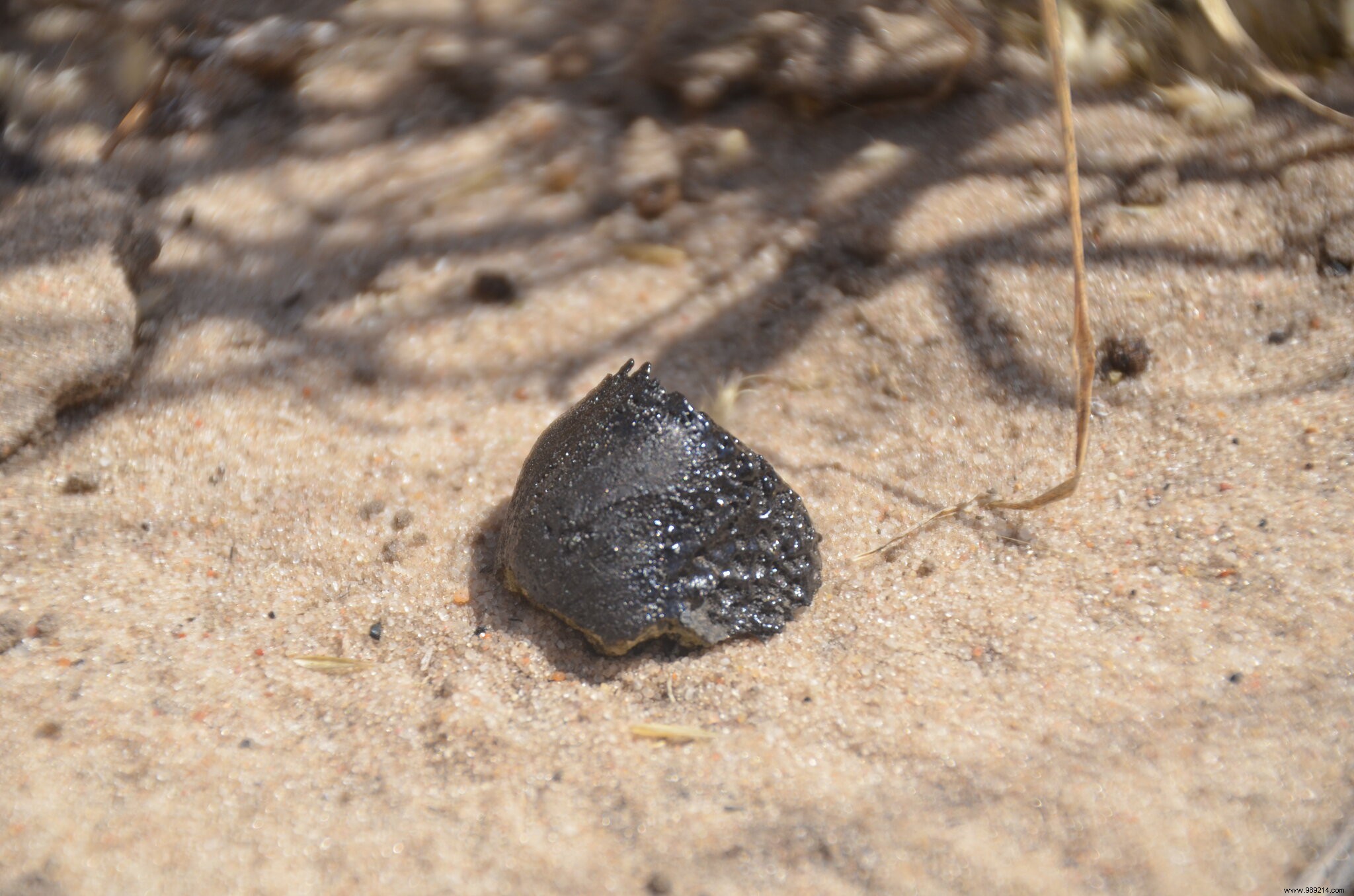
This visitor originated from Vesta, a massive asteroid in the belt between Mars and Jupiter. NASA's Dawn mission (2011–2012) mapped its geology, confirming the match.
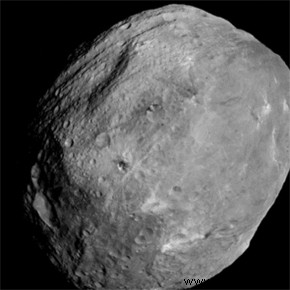
About 22 million years ago, a collision shattered Vesta, hurling fragments into space. Cosmic ray tracks in the samples—altering atomic nuclei over time—dated this event precisely.
One fragment endured a solitary journey, culminating in its 2018 atmospheric entry over southern Africa.
