A new analysis of lunar craters reveals that the Earth-Moon system endured an intense asteroid bombardment around 800 million years ago.
Research estimates that 40 to 50 trillion metric tons of meteorites impacted the Earth-Moon system 800 million years ago—30 to 60 times the material from the Chicxulub impact that wiped out non-avian dinosaurs 66 million years ago.
Earth's surface bears few traces of this event, as erosion, volcanism, and other geological processes have erased most craters older than 600 million years. The Moon, however, retains clear evidence.
In a study published in Nature Communications, researchers from Osaka University in Japan analyzed data from JAXA's Kaguya lunar orbiter. They examined 59 craters over 20 km in diameter, dating them by counting smaller craters (0.1 to 1 km) in their ejecta blankets. This included the 93-km-wide Copernicus crater and its 860 surrounding small craters.
The team found that eight of these craters formed around the same time, approximately 800 million years ago.
Computer simulations point to a massive 100-km-wide parent asteroid that fragmented, with pieces raining down on the Moon and some reaching Earth. Not all fragments hit the inner solar system—others likely fell into the Sun or stayed in the asteroid belt between Mars and Jupiter.
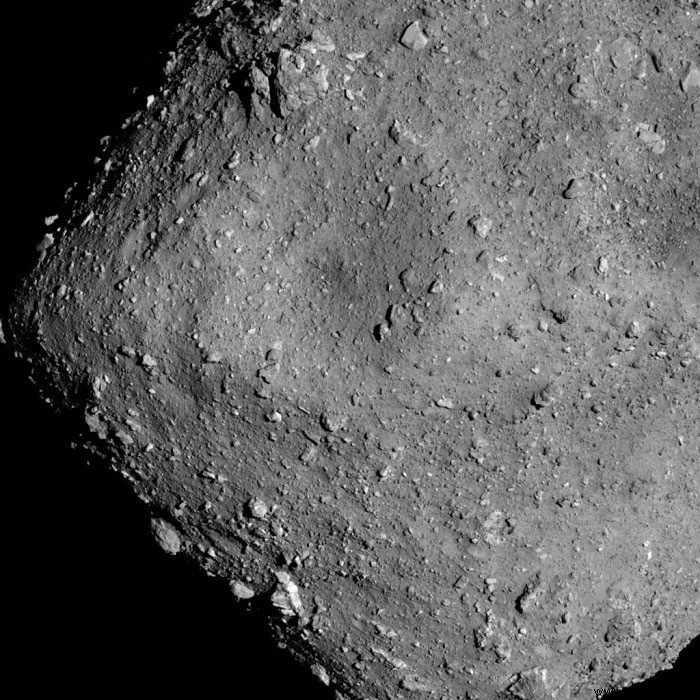
Further analysis links the parent body to the Eulalia asteroid family. Notably, the asteroid Ryugu—samples of which are en route to Earth—belongs to this family and may even be a fragment of that ancient giant.
This bombardment preceded the Cryogenian period (720–635 million years ago), Earth's most severe ice ages. The impacts may have contributed by lofting dust into the atmosphere, cooling the planet.
Similar effects are seen in the Chicxulub event, which darkened skies and cooled Earth 66 million years ago. Another shower 470 million years ago likely triggered the Middle Ordovician ice age, though it was far less intense than this 800-million-year-old event.
