Researchers from Ritsumeikan University have confirmed the presence of liquid water containing high levels of carbon dioxide in a meteorite dating back 4.6 billion years. This breakthrough suggests its parent asteroid formed beyond Jupiter's orbit before migrating inward.
Water exists across the solar system—in Earth's oceans, the Moon's poles, Saturn's rings, comets, Mars, Titan, and Enceladus. It's even detected as steam in Venus's atmosphere and in Mercury's shadowed craters.
Liquid water inclusions have previously been observed in salt crystals within ordinary chondrites, the most common meteorites on Earth. However, until now, they had eluded detection in carbonaceous chondrites, some of the solar system's earliest-formed rocks.
In a peer-reviewed study, Akira Tsuchiyama and his team at Japan's Ritsumeikan University employed advanced microscopy on fragments of the Sutter's Mill meteorite. This carbonaceous chondrite, formed around 4.6 billion years ago, landed near Sacramento, California, in 2012. Their analysis revealed a tiny calcite crystal enclosing a liquid water pocket with at least 15% carbon dioxide.
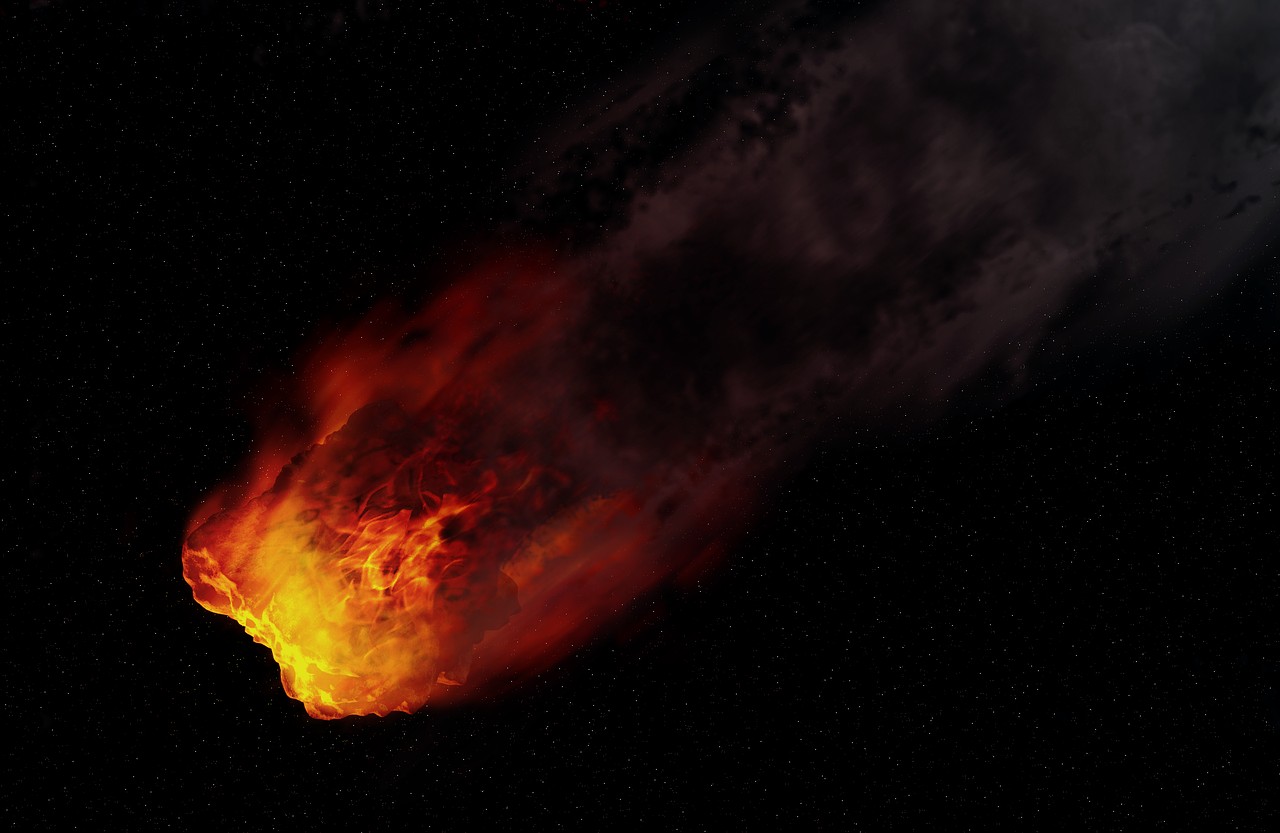
These findings imply the parent asteroid accreted from ice and CO2-rich fragments beyond Jupiter, later drawn inward by giant planet gravitational influences. This research deepens our knowledge of early solar system dynamics and planetary migration. Notably, such primordial water may have contributed to Earth's hydration, paving the way for life billions of years ago.
