Two years ago, researchers announced the discovery of a 20-km-wide lake buried beneath thick ice at Mars' south pole. Today, the same team reports additional liquid water bodies—but not without controversy.
In 2018, a team of scientists stunned the planetary research community by detecting a lake roughly 1.5 kilometers beneath the surface at the Martian south pole. This 20-kilometer-wide, shallow body of water "resembles interconnected basins under kilometers of ice in Greenland and Antarctica," noted Martin Siegert, geophysicist at Imperial College London.
The detection relied on MARSIS, a radar instrument aboard ESA's Mars Express orbiter designed to "probe beneath the Martian surface."
MARSIS measures the time radar waves take to echo back, revealing material properties. At 1.5 km below the south pole's ice, signals didn't match ice, rock, or sediments—pointing strongly to liquid water.
If verified, this would transform the search for extraterrestrial life, as Earth's subglacial lakes like Antarctica's Lake Vostok teem with microbes.
Cassie Stuurman, ESA radar expert, called it intriguing but urged independent confirmation. The water would need extreme salinity to remain liquid at -68°C.
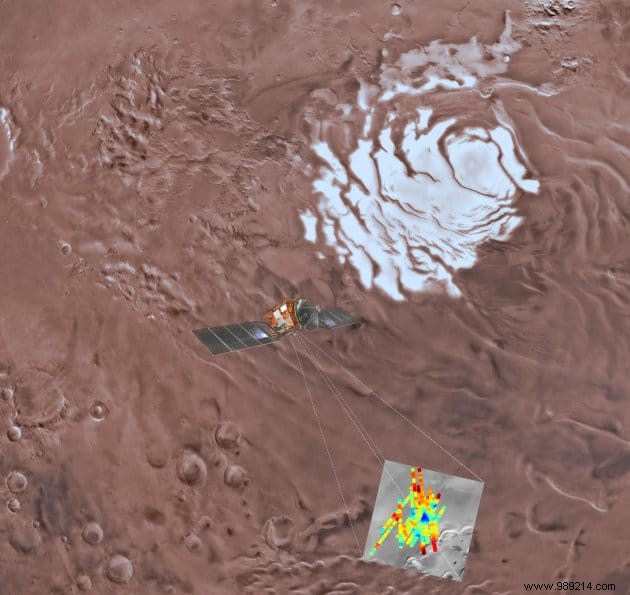
In a new study published in Nature Astronomy, the team details further evidence from a broader ~300-km area scanned by MARSIS.
Applying radar techniques validated on Earth's polar ice, they reconfirmed the original lake and identified three smaller water bodies deeper underground, bordered by dry bedrock.
"We compared results with prior methods and saw strong agreement," says lead author Elena Pettinelli of University of Rome III. "This boosts our confidence in the findings."
Pettinelli suggests subglacial water may be more widespread on Mars than thought. "These discoveries reshape our view of Mars' climate, geology, and potential habitability—past and present," she adds.
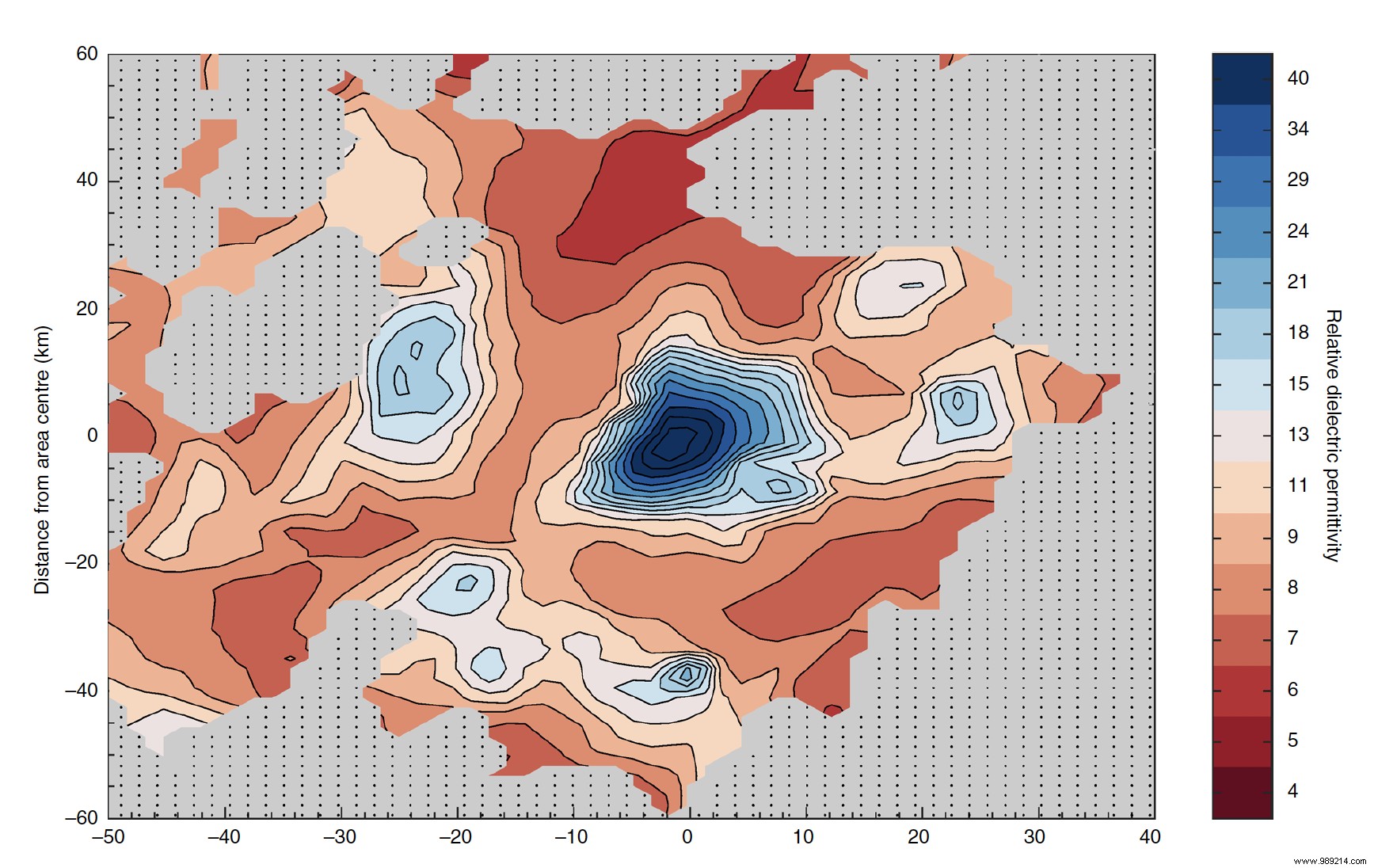
The team infers highly saline liquid water indirectly via radar, without direct imaging.
Stuurman remains cautious: "This will spark debate. Liquid water on modern Mars isn't mainstream." She notes the Earth-calibrated methods lack Mars-specific validation.
