As NASA and Boeing gear up for the Starliner capsule's pivotal second test flight—following its initial failure to reach the ISS—a crewed mission could follow by year's end if successful.
Seven years ago, NASA selected SpaceX and Boeing for commercial crew and cargo missions to the ISS. SpaceX's Crew Dragon has proven reliable, ferrying astronauts on three successful trips. Boeing's Starliner, however, encountered software glitches during its first uncrewed test, preventing docking with the station.
In recent months, Boeing engineers, working closely with NASA experts, resolved these software issues. The capsule is now set for its second uncrewed mission: Orbital Flight Test-2 (OFT-2).
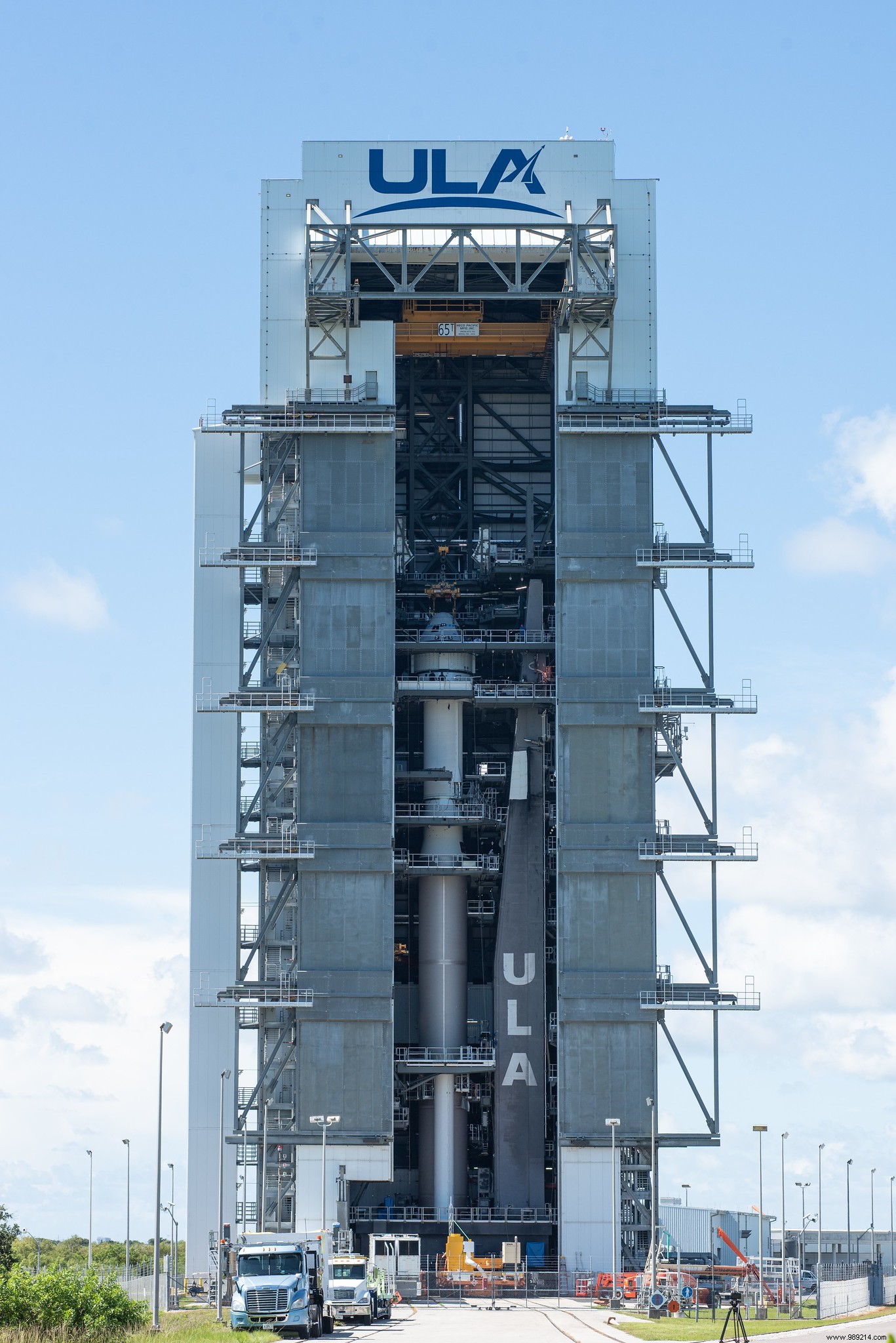
Originally slated for Friday, July 30 from Cape Canaveral atop a United Launch Alliance Atlas V rocket, the launch has shifted to Tuesday, August 3 at 7:20 p.m. (French time). Delays stemmed from the Russian Nauka module's docking incident and subsequent propulsion system concerns. A new date will be announced shortly.
If all systems perform, Starliner will dock with the ISS about 24 hours post-launch, carrying over 180 kg of cargo and supplies, per NASA specifications.
Boeing and NASA teams will rigorously evaluate Starliner's performance to secure certification for crewed operations. A test dummy, "Rosie the Rocketeer," equipped with 15 sensors in the commander's seat, will gather critical data on astronaut conditions.
Post-docking, Starliner will remain at the ISS for five to ten days before splashing down in the western U.S. Success here paves the way for a crewed flight by year-end, featuring astronauts Barry "Butch" Wilmore, Nicole Mann, and Mike Fincke.
