NASA astronaut Anne McClain is set to join the Artemis program, aiming to return humans to the Moon and establish a sustainable presence there. In a recent interview, she shared her expert insights on spacecraft evolution, with a deep dive into SpaceX's Dragon capsule.
As one of NASA's elite astronauts selected for Artemis, Anne McClain brings firsthand experience from her six-month mission aboard the International Space Station (ISS) from December 2018 to June 2019. The program unfolds in phases: Artemis 1, an uncrewed mission orbiting the Moon in July 2021; Artemis 2, sending astronauts on a lunar flyby in August 2023; and Artemis 3, achieving a crewed lunar landing in 2024.
In her January 2, 2020, interview, McClain discussed advancements in spacecraft technology. During her ISS stint, she piloted a Russian Soyuz capsule, but also worked alongside SpaceX's Crew Dragon, which had begun ferrying astronauts.
Though she hasn't piloted Dragon herself, McClain observed and collaborated on it while docked at the ISS. Drawing from her piloting experience, she noted the dramatic technological leap forward compared to Soyuz, praising its innovative design.
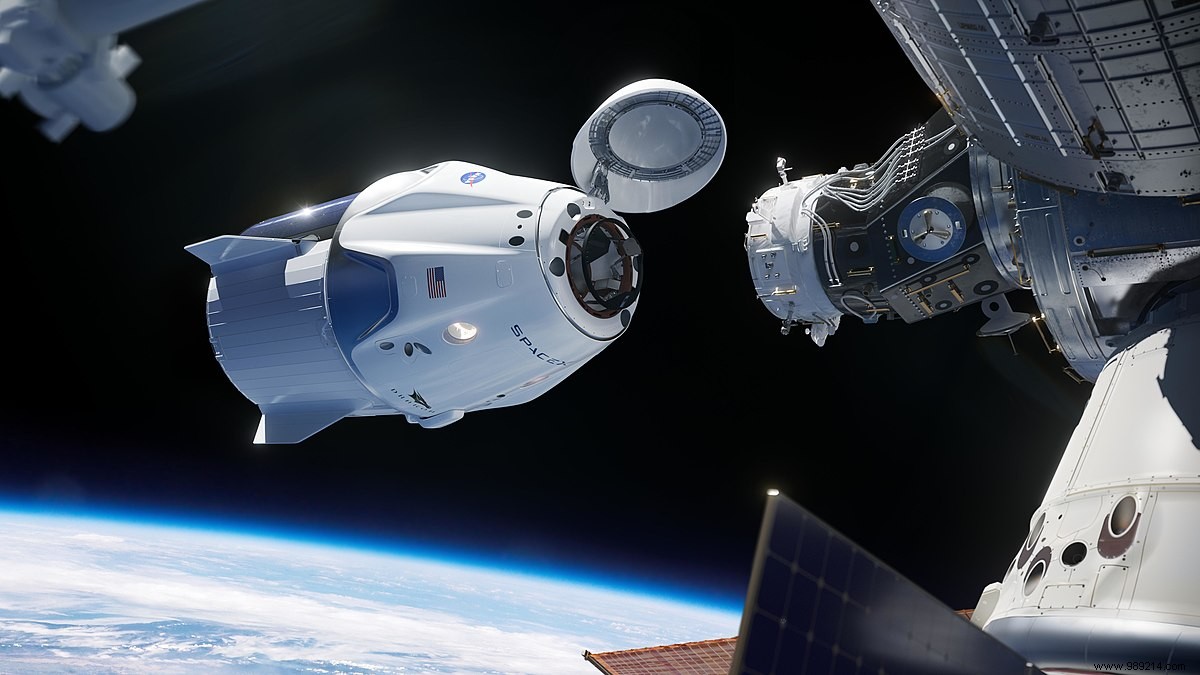
Pioneers Doug Hurley and Bob Behnken, the first to fly Crew Dragon, highlighted its extensive use of touch screens, setting it apart from predecessors. McClain even consulted with SpaceX early on cockpit ergonomics. She emphasizes flexibility as a core strength: spacecraft must adapt to unforeseen challenges, offering astronauts versatile tools beyond pre-planned scenarios.
McClain also underscored the private sector's rising role in space exploration. For her, the key is the talented teams behind the vehicles, not the companies themselves. NASA's close collaboration with firms like SpaceX fosters trust and innovation, leveraging top expertise to advance missions.
