Aboard the International Space Station (ISS), researchers at the Jackson Laboratory have conducted groundbreaking studies on mutant mice to understand microgravity's impact on muscle and bone mass—key to combating astronaut muscle atrophy.
In December 2019, forty female mice launched to the ISS to investigate microgravity's effects on muscle and bone. The mice returned to Earth, and results were published in Proceedings of the National Academy of Sciences.
The study divided mice into three groups: a control group of 24; eight mice genetically modified on Earth for double the muscle mass; and eight more with identical modifications performed on board the ISS.
Control mice lost up to 18% of their muscle mass and bone. Earth-modified mice maintained theirs, while ISS-modified mice returned with even greater muscle mass.
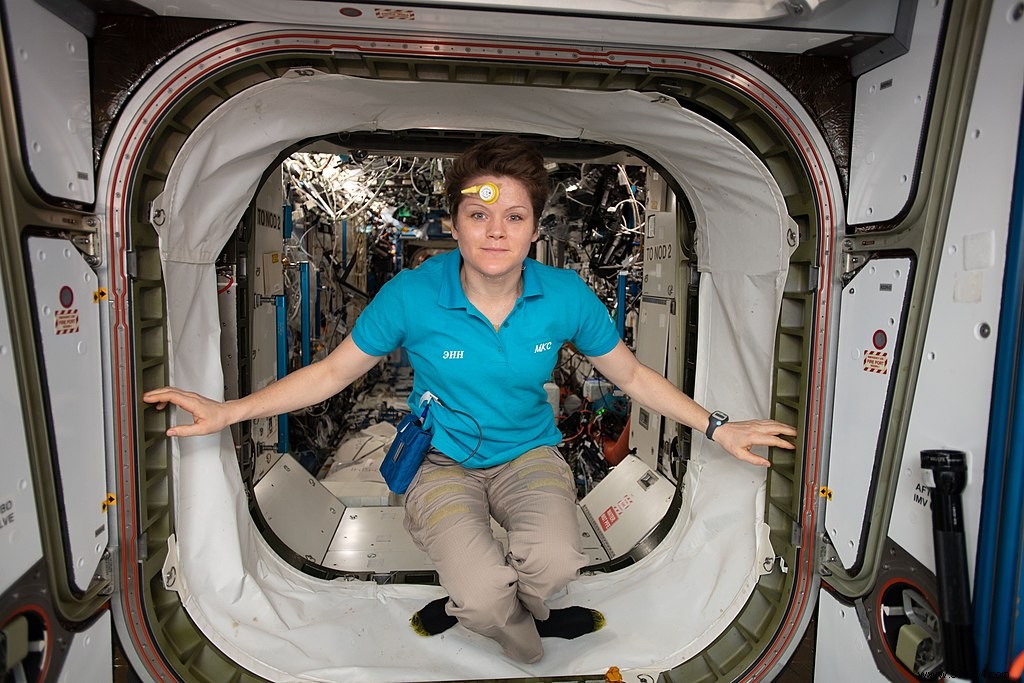
These findings offer hope for preventing muscle atrophy in astronauts on extended missions, like the nine-month journey to Mars. However, this is just the beginning—further experiments and human clinical trials are essential for safe application.
“We're still years away from that. But it always happens like that when you go from studies on mice to studies on humans,” said Emily German-Lee, a lead researcher.
In May 2019, a prior study from Henry Ford Community College scientists showed microgravity affects astronauts' joints, causing muscle atrophy and bone calcium loss.
