NASA's groundbreaking Mars 2020 Perseverance mission is set to return invaluable samples to Earth, joining an elite collection of extraterrestrial materials. But how are these delicate specimens stored and preserved?
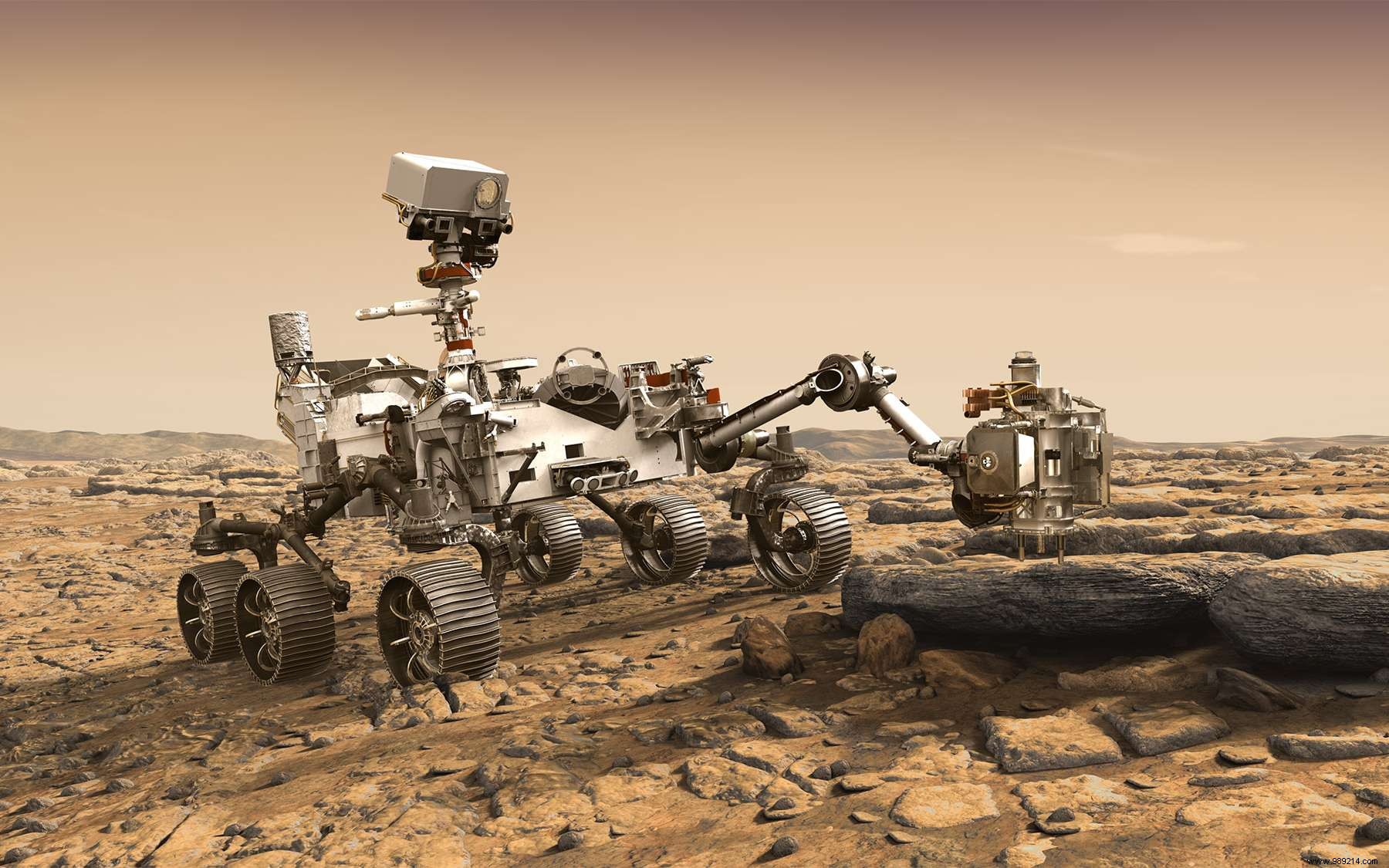
Since late July 2020, NASA's Perseverance rover has been traversing the Red Planet's surface after its successful February 2021 landing. Its primary objective: collect rock and soil samples that could reveal traces of ancient Martian life. These samples will be returned to Earth via a collaborative NASA-ESA mission, raising critical questions about their long-term preservation.
It's essential to distinguish between meteorites found on Earth—which have endured atmospheric exposure and potential microbial contamination—and pristine samples collected directly in space.
As noted by Mathieu Gounelle, a renowned meteorite expert and professor at France's National Museum of Natural History in a September 6, 2020, Numerama interview, the world's only confirmed space-origin samples are lunar rocks from NASA's Apollo missions and Soviet Luna probes in the 1970s. Modern collections also include comet and asteroid materials from the 2000s.
Martian samples with precisely documented origins will revolutionize our understanding. Many Earth meteorites are Martian in origin, but their exact source locations remain unknown. Known-provenance rocks will provide crucial context for existing collections.
The primary threat upon return is oxidation (rusting) from Earth's oxygen-rich atmosphere. To counter this, samples are stored in ultra-clean, dust-free chambers with inert atmospheres high in nitrogen, preventing chemical alterations.
Martian returns introduce unprecedented challenges, including potential quarantine protocols due to microbiological risks. For the first time, experts must safeguard existing collections while preparing specialized laboratories for rigorous analysis.
