SpaceX President Gwynne Shotwell has targeted July for the company's first attempt at an orbital Starship flight. However, critical regulatory approvals remain pending.
That was nearly two months ago. On May 5, the Starship SN15 prototype made history by launching to 10 km altitude and executing a flawless landing after a belly-flop reversal maneuver—a feat no prior prototype had achieved. While SpaceX initially eyed a second suborbital hop for SN15, focus shifted to the SN20 prototype for the bolder goal of orbital flight.
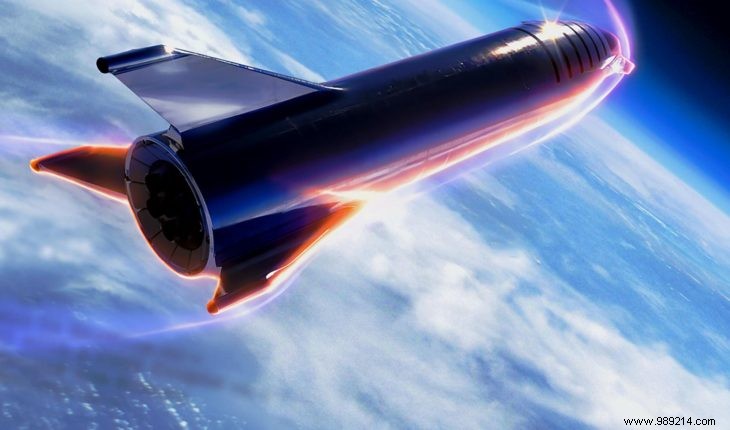
In a May 13 filing with the Federal Communications Commission, SpaceX detailed the profile for this landmark mission. The SN20 Starship, atop its Super Heavy prototype booster, will lift off from Starbase, Texas. Roughly 170 seconds in, the booster will separate and splash down in the Gulf of Mexico, about 30 km offshore.
Starship SN20 will press on toward the Straits of Florida, reaching approximately 115 km altitude before attempting a sea landing off Hawaii's northwest coast near Kauai. The mission should span about 1.5 hours.
The key question: when? At the National Space Society's International Space Development Conference on June 25, Shotwell shared plans for a launch as early as next July.
“I hope we get there, but we all know it's hard,” she added. "We are very close to flying this system, or at least attempting the first orbital flight of this system, in the very short term."
July looks ambitious. SpaceX's FCC filing sought a six-month launch window starting June 20, beyond current suborbital permissions. Yet the FAA's Office of Commercial Space Transportation hasn't issued approval.
First, the FAA must finalize its environmental review for Boca Chica orbital launches. It could deem impacts insignificant, mandate mitigations, or require a detailed study—potentially delaying the license by months.
