Preserving the historic Apollo lunar landing sites is now a legal requirement. The United States has passed groundbreaking legislation mandating that companies partnering with NASA on future missions avoid these iconic sites visited over 50 years ago.
U.S. commercial entities pursuing NASA contracts, grants, or partnerships for lunar activities must steer clear of Apollo program astronaut landing sites from 1969 to 1972 to qualify for support. Signed into law on December 31, this measure sets a clear standard for responsible space exploration.
"I have long advocated for the preservation of Apollo artifacts, which hold profound cultural, historical, and scientific value not only to the United States, but for all mankind” said Rep. Eddie Bernice Johnson (D-TX), Chairwoman of the House Committee on Science, Space, and Technology. "It is important that NASA and the United States lead the way in guiding responsible behavior in space, and this legislation to preserve our human heritage in space is, in itself, a small step in the practice of this leadership”.
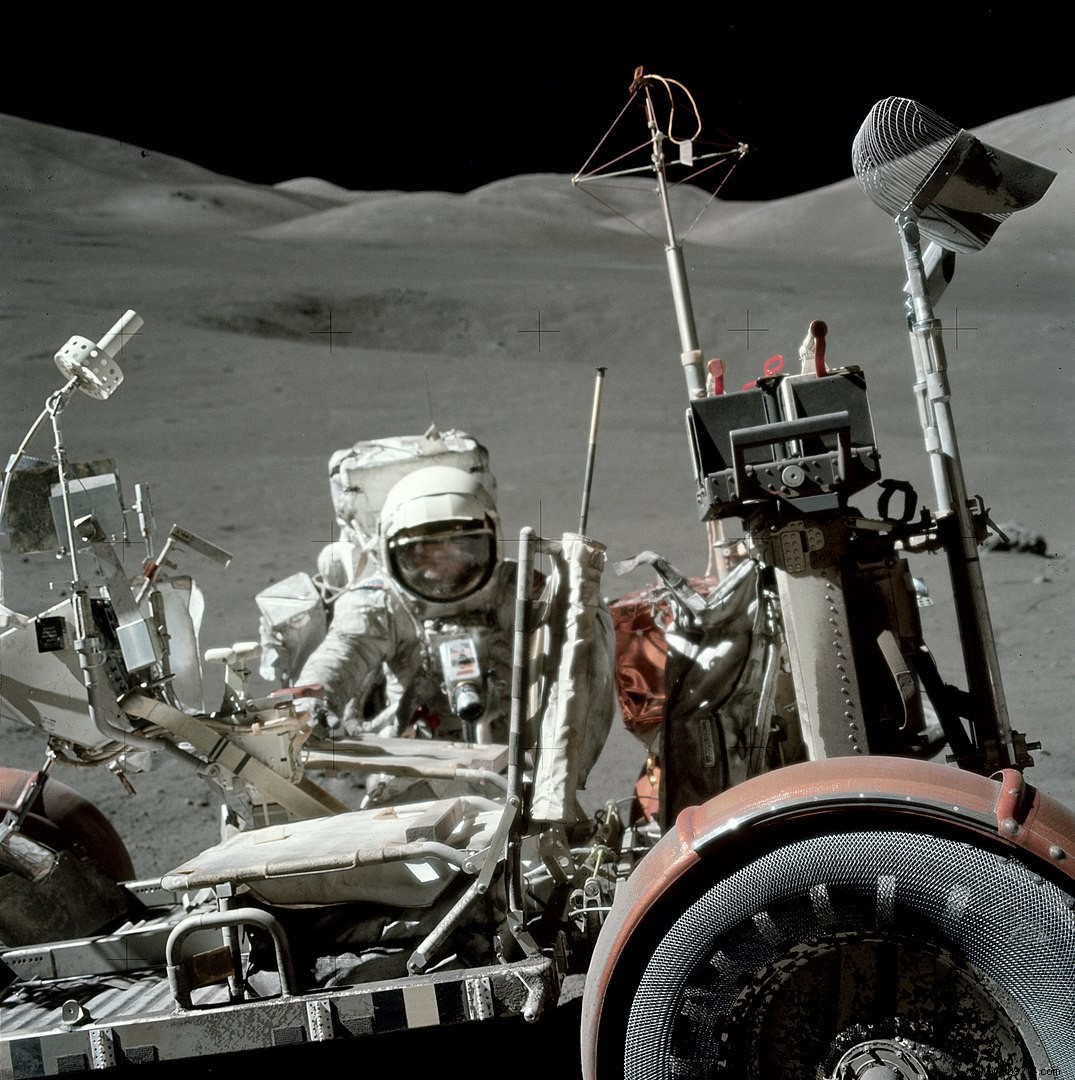
Known as The One Small Step to Protect Human Heritage in Space Act, this law aligns with NASA's commitment to sustainable lunar exploration and resource utilization through its Artemis program. Protected sites include: the Sea of Tranquility (Apollo 11, 1969), Ocean of Storms (Apollo 12, 1969), Fra Mauro crater (Apollo 14, 1971), Béla crater (Apollo 15, 1971), Descartes Crater (Apollo 16, 1972), and Taurus-Littrow Valley (Apollo 17, 1972).
Currently impacted companies include Intuitive Machines, Astrobotic, and Masten Space Systems, which have NASA contracts under the Commercial Lunar Payload Services program to deliver scientific payloads to the Moon. The law also applies to SpaceX, Blue Origin, and Dynetics, competitors developing human landing systems for Artemis.
Notably, the legislation empowers the NASA Administrator to waive restrictions for activities offering significant historical, archaeological, anthropological, scientific, or technical value.
NASA aims to return humans to the Moon starting in 2024, though experts view this timeline as ambitious. Incoming President-elect Joe Biden may extend it by a year or two to ensure success.
