The Canadian Space Agency (CSA) has announced that one of its astronauts will orbit the Moon in 2023 as part of NASA's Artemis 2—the first crewed mission in the Artemis program—laying the groundwork for humans' return to the lunar surface in 2024.
In 2017, the Trump administration directed NASA to establish a sustainable human presence on the Moon by 2024, giving rise to the Artemis program. This ambitious initiative unfolds in three phases: Artemis 1, an uncrewed lunar orbit test; Artemis 2, the crewed mission highlighted here; and Artemis 3, the first lunar landing.
Artemis 2 will send four astronauts in the Orion spacecraft to circle the Moon, rigorously testing the vehicle in deep space to ensure readiness for the 2024 lunar landing. The crew will also endure a high-speed re-entry into Earth's atmosphere, validating critical systems.
While the full crew remains unnamed, the CSA confirmed on December 16 that a Canadian astronaut will join the mission. This marks a deepening of the decades-long NASA-CSA partnership. Additionally, a second Canadian will fly to NASA's Gateway lunar-orbit station on a future mission.
“This agreement positions Canada as only the second country, after the United States, to send an astronaut into deep space,” stated Navdeep Bains, Canada’s Minister of Innovation, Science and Industry, during a press conference.
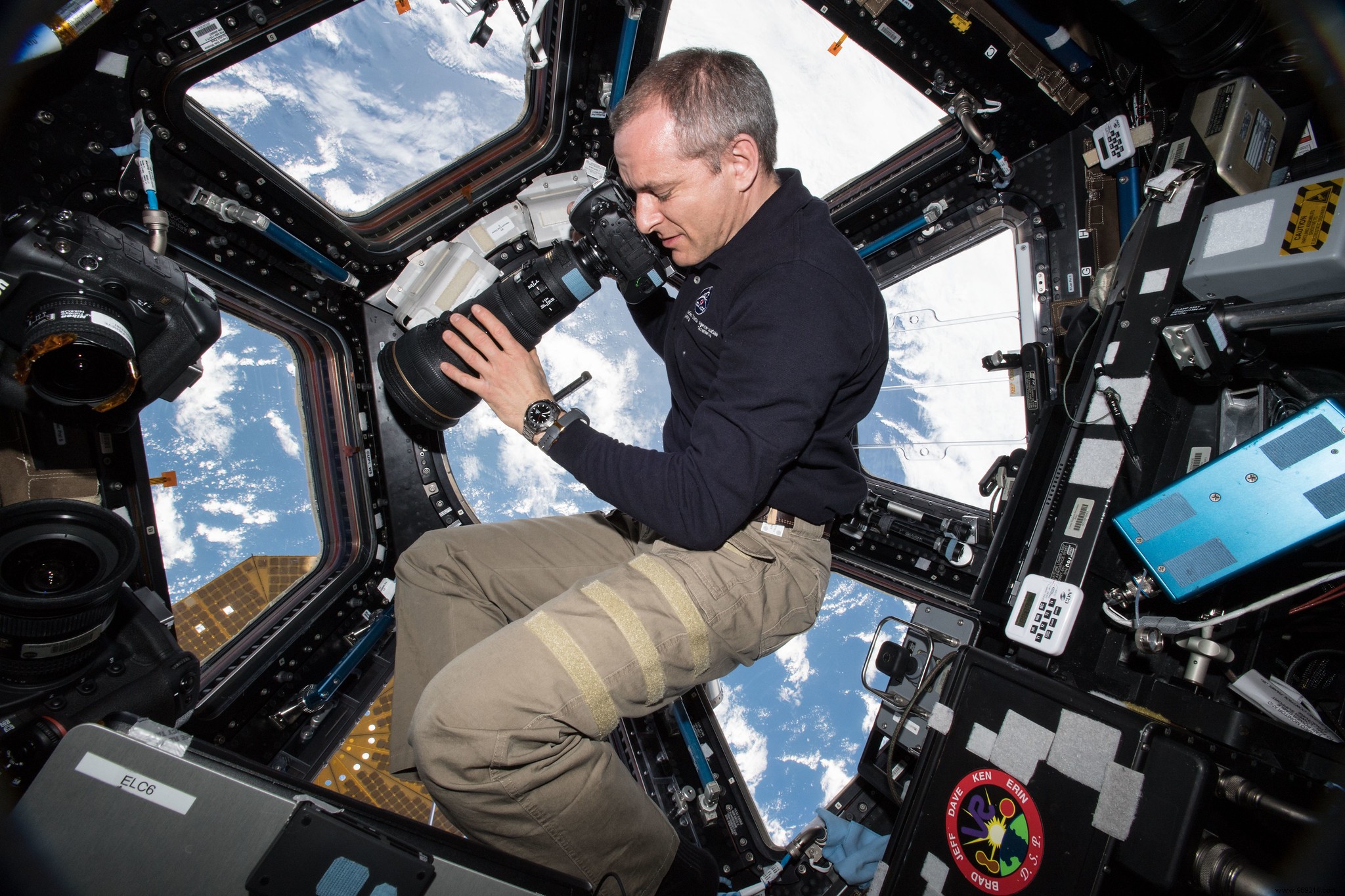
Canadian astronaut David Saint-Jacques likened the mission to the pioneering Apollo 8 flight of 1968, which tested lunar orbit capabilities ahead of Apollo 11's historic landing.
In return for these mission seats, Canada contributes the Canadarm3 robotic arm for maintaining the Gateway station in lunar orbit. MDA, the Canadian firm behind Canadarm2 on the International Space Station, secured a contract to define its AI-powered specifications, enabling autonomous upkeep during crew absences.
Gateway will serve as a staging point for lunar surface missions, supporting operations for 15 years or more until permanent surface infrastructure is established.
Potential candidates include David Saint-Jacques (ISS veteran, 2018-19), Jeremy Hansen (selected 2009), and recent graduates Jenni Sidey-Gibbons and Joshua Kutryk.
