Crushed into his seat by overwhelming G-forces, Yuri Gagarin spots flames licking the exterior of his spacecraft and steels himself for death. His voice pierces the silence at mission control: "I'm burning. Goodbye, comrades." Minutes later, he lands safely. No one had reached space before. This was 60 years ago.
Selected from Soviet fighter pilot elites for his exceptional skill and iron nerves, Yuri Gagarin, at age 27, boarded Vostok 1 on April 12, 1961—a top-secret mission. Strapped atop a rocket originally designed for nuclear warheads, survival odds were grim; even optimists pegged them at 50-50.
Gagarin prepared for the worst. Two days prior, he penned a farewell letter to his wife, Valentina, expressing pride in the mission while urging resilience: "I trust the equipment completely; it won't let me down. But if something happens, Valyusha, don't let sorrow break you," using her affectionate nickname.
Authorities withheld the letter until after his death in a 1968 plane crash. Valentina never remarried.
In the early 1960s, the Soviet space program raced to eclipse the U.S., building on Sputnik's 1957 launch—the world's first satellite. "People worked through nights in offices and factories, wartime-style," recalls cosmonaut Fyodor Yurchikhin, a five-time spaceflyer.
Like Gagarin, officials braced for disaster. No abort systems protected against launch explosions or post-liftoff failures. TASS prepped three press releases: success, trouble, or catastrophe.
Beyond mechanical risks, experts questioned human endurance in space—fearing pilots might lose sanity in orbit.
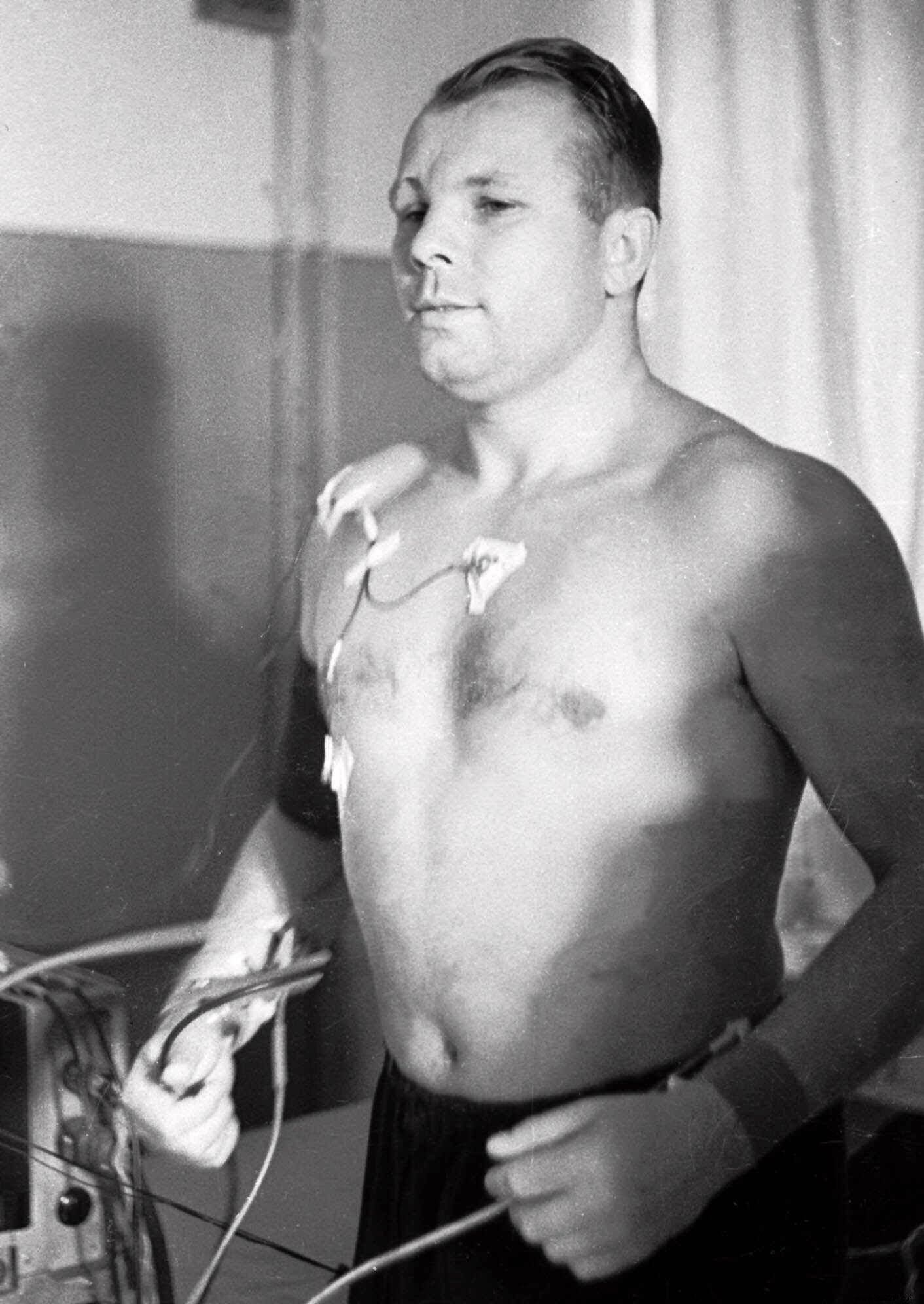
Technical glitches plagued the flight. The hatch closure light failed upon entry; engineers rushed in, unscrewed panels, fixed a faulty contact, and resealed just in time.
Planned for automatic descent after a week if engines failed, a launch anomaly sent Vostok 1 into a higher orbit—dooming Gagarin to orbit indefinitely without thrust.
Though engines held, fuel loss accelerated re-entry, slamming Gagarin with extreme speeds. "For two or three seconds, instruments blurred before my eyes," he later recounted, enduring brutal forces for 10 minutes.
Lacking a soft-landing system, Gagarin ejected, parachuted down, and wrestled a stuck suit valve to breathe fresh air. He touched down safely in a Saratov field near the Volga River.
Flown to Moscow, he was hailed a hero by Nikita Khrushchev, then toured dozens of countries. Tragically, he died in a March 27, 1968, plane crash at 34. Months later, the U.S. landed on the Moon.
