A few days ago, astronaut Kate Rubins successfully harvested the first radishes cultivated on the International Space Station (ISS). These brassicas—about 20 plants—were carefully stored in a cold room, awaiting their return journey to Earth next year aboard SpaceX's 22nd commercial resupply mission.
NASA, alongside other space agencies and private companies, is advancing sustainable exploration of the Moon and eventually Mars. While current astronauts rely on freeze-dried meals packaged in plastic—lacking in flavor and prone to vitamin loss, such as C and K—future missions demand fresh, nutritious food produced on-site. Freight costs to space make resupply impractical for long-duration stays. That's why NASA has spent years testing plant growth in microgravity.
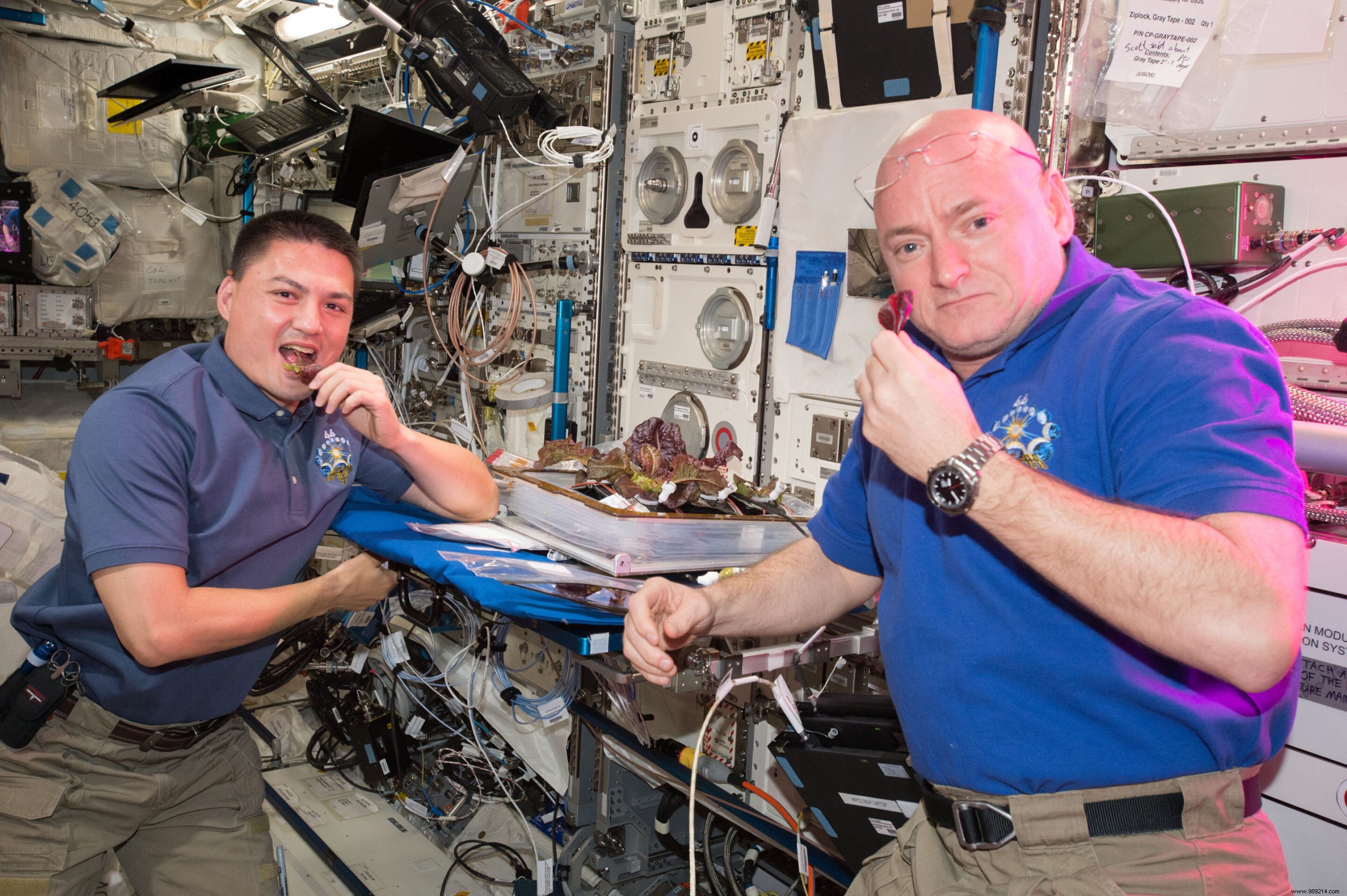
From 2014 to 2016, ISS astronauts cultivated lettuce using the Vegetable Production System, or "Veggie"—a specialized setup with compact growth chambers featuring LED lights and automated watering. Ground teams simultaneously grew identical seedlings on Earth for direct comparison.
The Russians pioneered this effort, germinating peas on the ISS between 2003 and 2005.
These trials have proven highly successful. Astronauts have grown, harvested, and eaten space lettuce, confirming its taste and nutrition match Earth-grown varieties.
In 2017, NASA introduced the Advanced Plant Habitat (APH), a mini-fridge-sized growth module. Radishes were selected for their nutritional value, edibility, short growth cycle, and genetic similarity to Arabidopsis thaliana, a staple in microgravity research.
The harvest succeeded: On November 30, Kate Rubins gathered 20 plants, which were placed in cold storage for return to Earth in 2021 via SpaceX Crew-22. Earth-based control plants grew comparably.
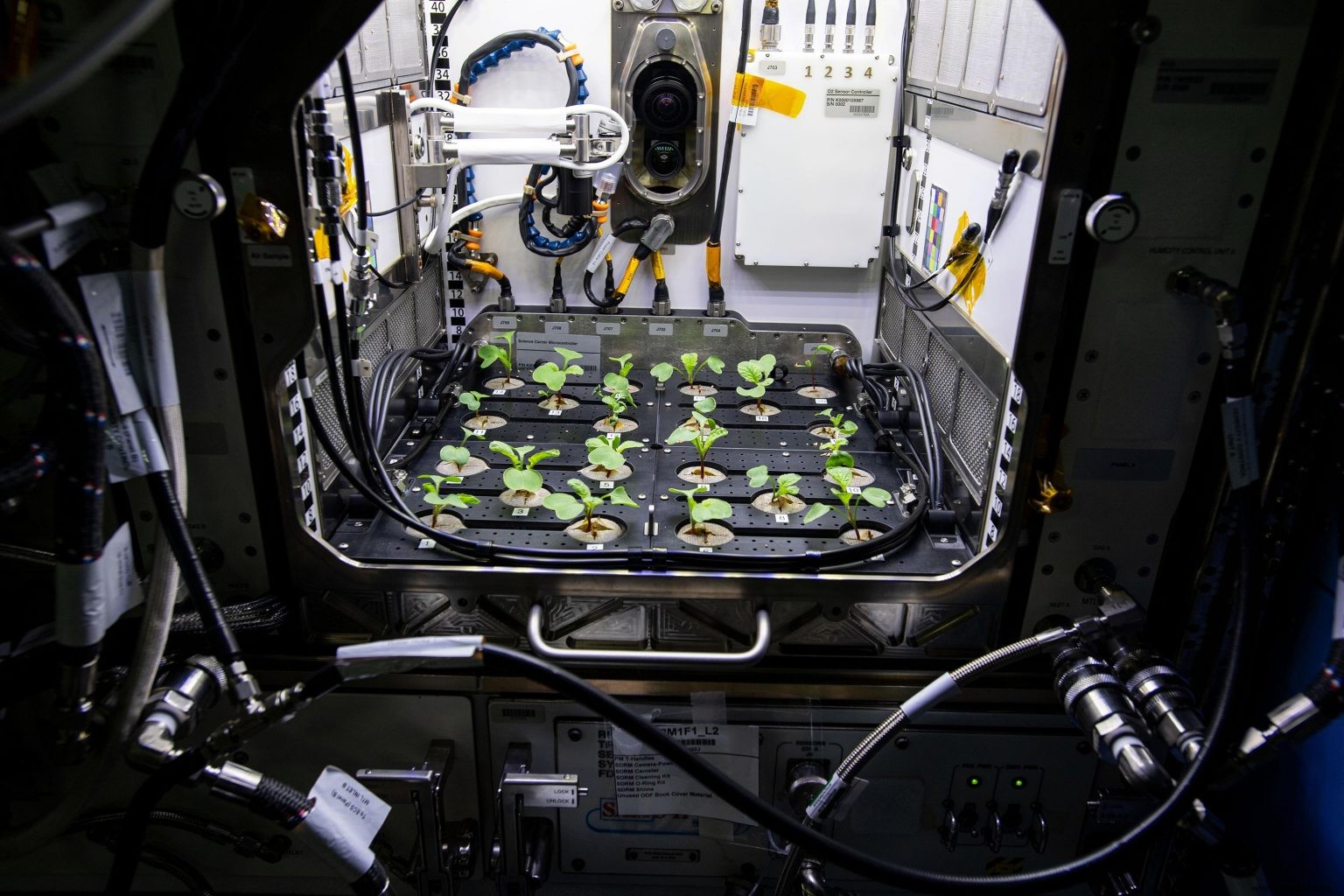
Unlike prior Veggie and APH tests using fertilizer-infused clay, this experiment delivered precisely measured minerals, enabling accurate analysis of nutrient uptake.
The APH employs broad-spectrum red, blue, green, and white LEDs to optimize growth. As NASA notes, "Sophisticated control systems manage water delivery, with cameras and over 180 sensors monitoring progress. Researchers at Kennedy Space Center remotely adjust humidity, temperature, and CO2 levels."
NASA plans to replicate the experiment soon with a new batch of radish seeds.
