NASA will test an Alexa-based system during the Artemis I mission, set for next March or April. The aim: evaluate how voice recognition can support astronauts on future deep-space missions.
NASA is gearing up for Artemis I, where an uncrewed Orion capsule will orbit the Moon and return to Earth. This pivotal flight, slated for next spring, paves the way for human return to the lunar surface, likely in 2025. For this full-scale rehearsal, NASA is deploying two innovative payloads.
Voice assistants like Siri, Google Assistant, and Alexa have transformed daily life by responding to simple spoken commands, from weather updates to music playback. In the high-stakes environment of space, they could prove invaluable.
Astronauts are "awash in data yet constantly short on actionable information," notes Rob Chambers, director of civil space business strategy at Lockheed Martin.
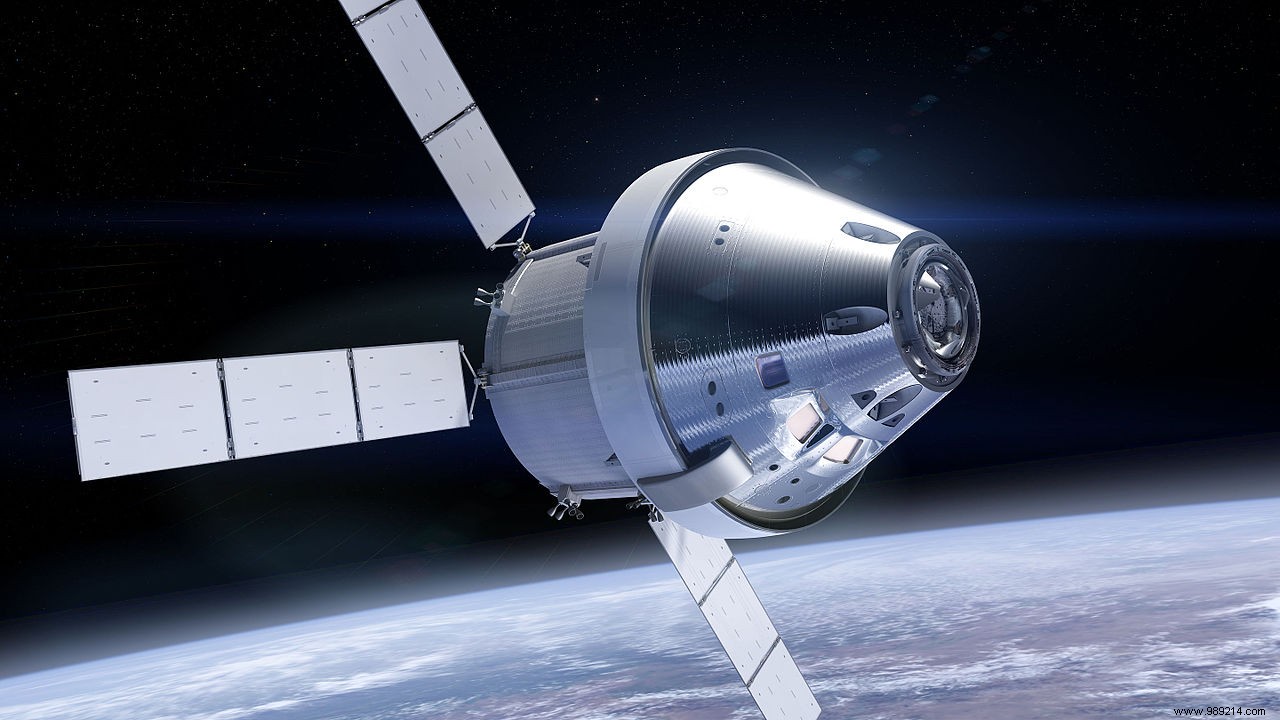
To assess their potential, NASA has teamed up with Amazon for Alexa and Cisco for the Webex teleconferencing platform. Together, they form the Callisto program, designed to streamline, secure, and enhance astronaut operations if proven effective.
Callisto enables voice-activated data access, capsule control adjustments, diagnostic runs, and ground team communication. Amazon Alexa VP Aaron Rubenson explains it will handle thousands of phrases; unresolvable queries route to Earth-based experts.
Artemis I is uncrewed, so no astronauts will interact directly. Instead, "virtual crew members" at Mission Control will issue commands, captured by onboard cameras. Notably, no immediate plans exist for Callisto on crewed Artemis flights—this demo focuses on validating the tech's viability.
As SpaceNews observes, deploying Alexa in space "closes the loop on technology." Rubenson highlights how Alexa's creation drew from Star Trek's voice-responsive ship computers.
