SpaceX President Gwynne Shotwell envisions Starship tackling space debris by deorbiting defunct rocket bodies between Moon and Mars missions—other operators' hardware, of course.
Earth's orbit is cluttered with over 100 million pieces of space debris, including 30,000 larger than 10 centimeters. Traveling at thousands of km/h, these fragments pose serious risks to satellites and the International Space Station crew. With satellite launch costs plummeting, orbital congestion is worsening, heightening collision probabilities.
Worse still, beyond a critical threshold, low Earth orbit could trigger unavoidable collisions in a cascading chain reaction known as Kessler Syndrome—the premise behind the 2013 film Gravity. This could exponentially multiply debris, rendering space access impossible and crippling satellite-dependent services essential to modern life.
Mitigation efforts include automated collision avoidance and active debris removal technologies. The European Space Agency (ESA) is exploring net-capture systems, while China eyes laser-based solutions.
Could SpaceX contribute? As a leader in satellite deployments, the company is uniquely positioned.

In an October 22 Time Magazine interview, Shotwell proposed using Starship "to grab some dead rocket bodies—other people's rockets, of course—and basically fetch this waste from space and bring it back to Earth." The "of course" nods to Starship's fully reusable design.
Towering about 50 meters, Starship—powered by the Super Heavy booster—promises versatility: satellite deployment, lunar and Mars cargo/crew transport, and even Earth point-to-point travel. Repurposing it for debris removal aligns seamlessly with its capabilities.
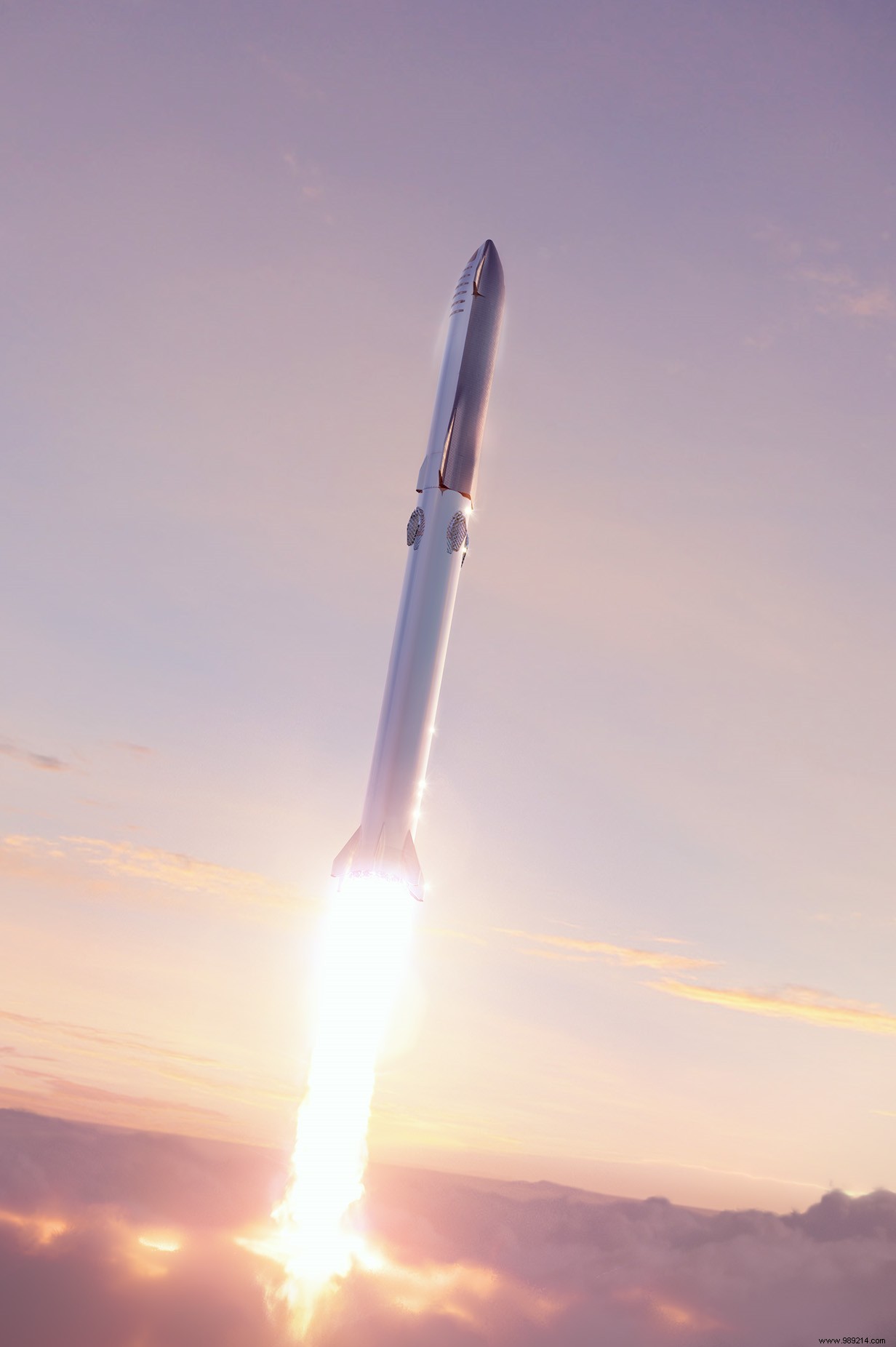
SpaceX's progress includes the SN8 prototype. Upcoming milestones: a 15 km hop, a 200 km suborbital test next year, 2023 lunar tourist flights, and an uncrewed Mars mission by 2024, per Elon Musk.
