NASA's Transiting Exoplanet Survey Satellite (TESS), the worthy successor to the Kepler Space Telescope, has successfully completed its two-year primary mission, delivering numerous landmark exoplanet discoveries. Now entering an extended two-year phase, TESS promises even more additions to our catalog of distant worlds.
Launched into orbit in April 2018, TESS took on the formidable task of building upon Kepler's legacy. Kepler accounted for two-thirds of the more than 4,200 exoplanets confirmed to date. Even after its official retirement in October 2018, Kepler's vast dataset continues to yield new worlds through ongoing analysis.
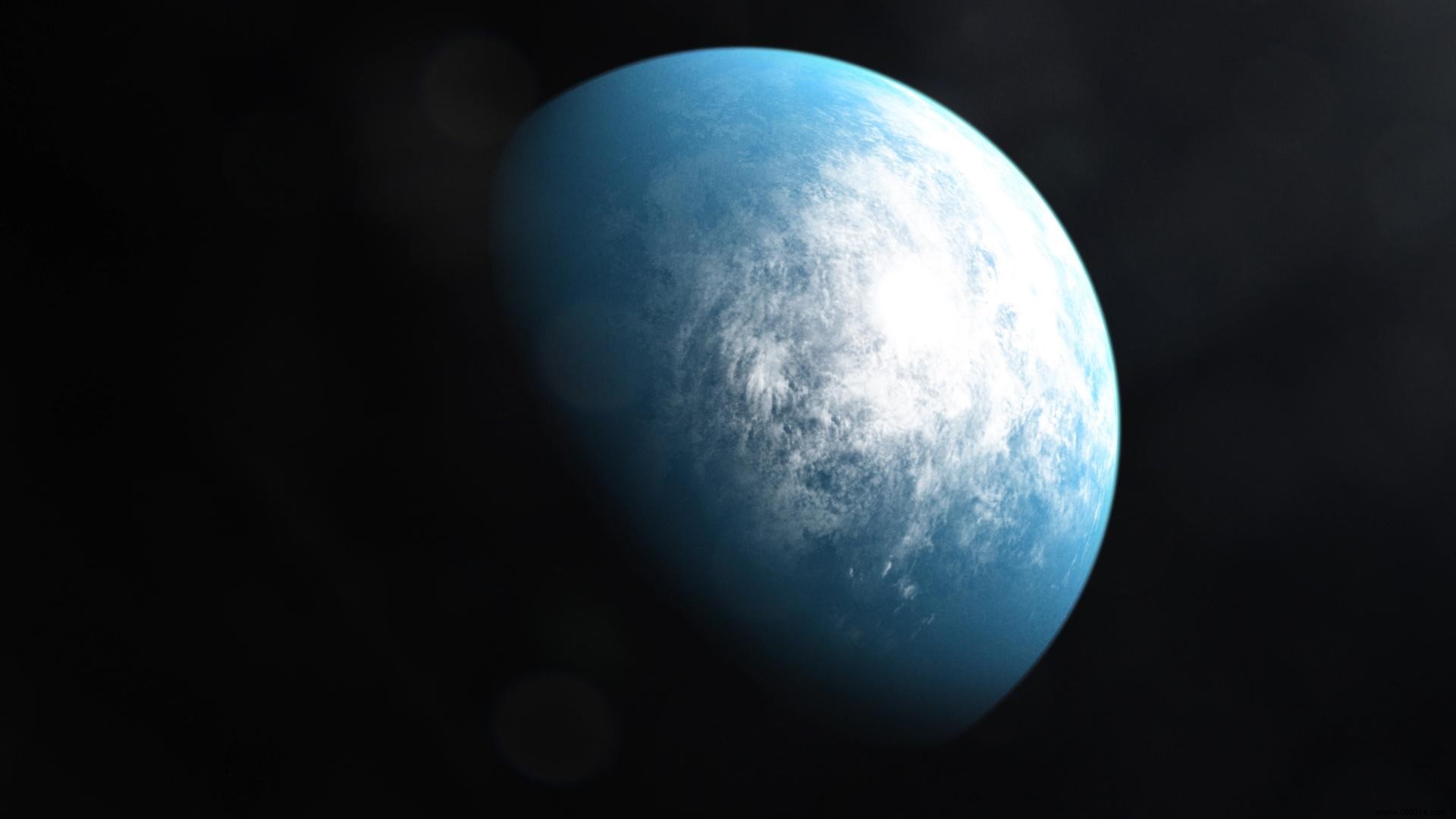
TESS exceeded expectations. By the end of its primary mission on July 4, it had confirmed 66 exoplanets, including TOI 700 d—an Earth-sized world in its star's habitable zone, located 100 light-years away. Additionally, nearly 2,100 candidate signals await verification.
TESS employs the transit method, meticulously monitoring periodic dips in a star's brightness caused by orbiting planets passing between the satellite and the star.
Over its initial two years, TESS targeted 200,000 nearby stars using four wide-field cameras, observing 24-by-96-degree sky sectors for about a month each. For context, a clenched fist at arm's length spans roughly 10 degrees of sky.
The first year covered southern skies, the second northern ones, achieving coverage of about 75% of the night sky. The mission continues.
TESS's extended mission runs through September 2022, revisiting southern skies first, then northern.
The primary mission's budget was capped at $200 million, plus $87 million for launch costs.
This extension is a cost-effective bonus. For comparison, New Horizons' extended operations since 2017 cost under $15 million annually, versus over $780 million for its prime mission.
Instrument upgrades include full-frame captures every 10 minutes—three times faster than before—enabling TESS to scan the sky more efficiently and uncover additional exoplanets.
