Space tourism to the Moon or Mars could soon become reality through suborbital flights, with dedicated spaceports playing a pivotal role. Japan is accelerating plans to operationalize one as early as 2021.
By 2050, spaceports are expected worldwide. As reported by DesignBoom, the Space Port Japan Association—comprising major companies and led by Noiz Architects—aims to establish Japan as Asia's space tourism hub with a fully functional spaceport by 2021. This ambitious initiative goes beyond a simple launch site: it's a comprehensive spaceport city featuring a research center, educational facilities, and a business district.
Themed entirely around space exploration, the city will host international conferences, fashion shows, an art museum, recreational areas, hotels, a gymnasium, and an aquarium. A dedicated farm will produce astronaut-suitable foods like algae, insects, and plant-based nutrition.
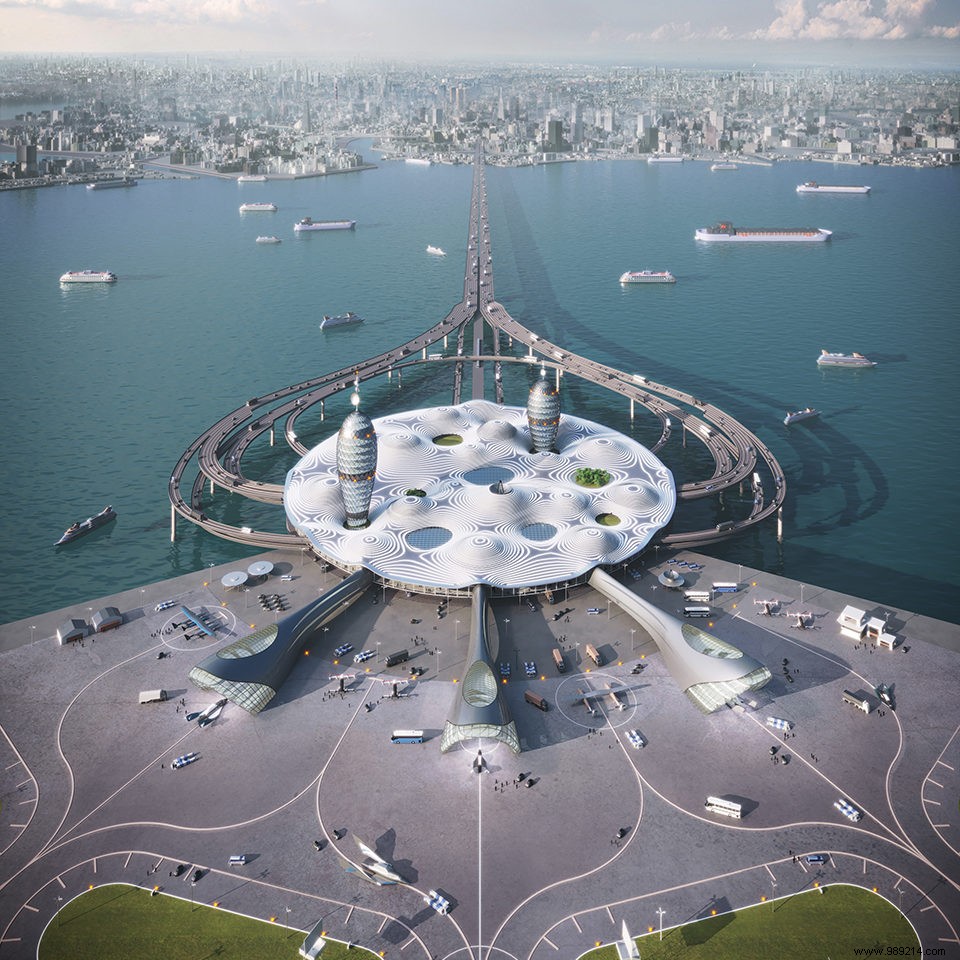
Critical infrastructure will support space vehicle operations, including maintenance bays, air and space traffic control, passenger and cargo boarding zones, and seamless links to urban transport networks.
“The entire facility creates a self-sustaining ecosystem with intelligent internal transport systems like autonomous cars, trains, and electric scooters,” states the Noiz Architects project overview.
Spaceports are vital for commercial spaceflight. Existing examples include Spaceport America, completed in 2011. In 2018, the UK announced its first in Scotland, while SpaceX revealed plans for a floating offshore platform in June 2020. The COVID-19 pandemic delayed launches, though Blue Origin and Virgin Galactic targeted commercial flights in 2020.
