Japan's Hayabusa2 spacecraft is poised to return on December 6, delivering pristine samples from asteroid Ryugu. But this milestone is far from the end of its groundbreaking journey.
In 2019, the Japanese Aerospace Exploration Agency's (JAXA) Hayabusa2 probe made two daring landings on the 900-meter-diameter asteroid Ryugu to collect samples for Earth. The first touchdown in February gathered surface dust, followed by a July mission to retrieve subsurface materials. With these feats accomplished, Hayabusa2 began its return voyage in November 2019. Now, it's preparing to release its capsule over Australia's Woomera Range Complex, operated by the Royal Australian Air Force.
The December 6 operation demands precision: the probe will deploy the capsule from approximately 220,000 km above Earth. Shielded by a heat shield, it will blaze through the atmosphere like a "ball of fire" around 200 km altitude. At roughly 10 km, a parachute will deploy, with beacon signals guiding recovery teams. JAXA's parabolic antennas, marine radars, drones, and helicopters will assist in locating the 40-centimeter-diameter capsule.
JAXA scientists anticipate these samples—shielded from space radiation and cosmic weathering—will offer pristine insights into Ryugu's 4.5-billion-year history. They could illuminate the Solar System's formation and the role of asteroids in delivering life's building blocks to Earth.
Hayabusa2 project manager Makoto Yoshikawa emphasizes the focus on organic compounds: "These materials are the origin of life on Earth, but we still don't know where they came from." He adds, "We hope to find clues by analyzing the samples brought back by Hayabusa2."
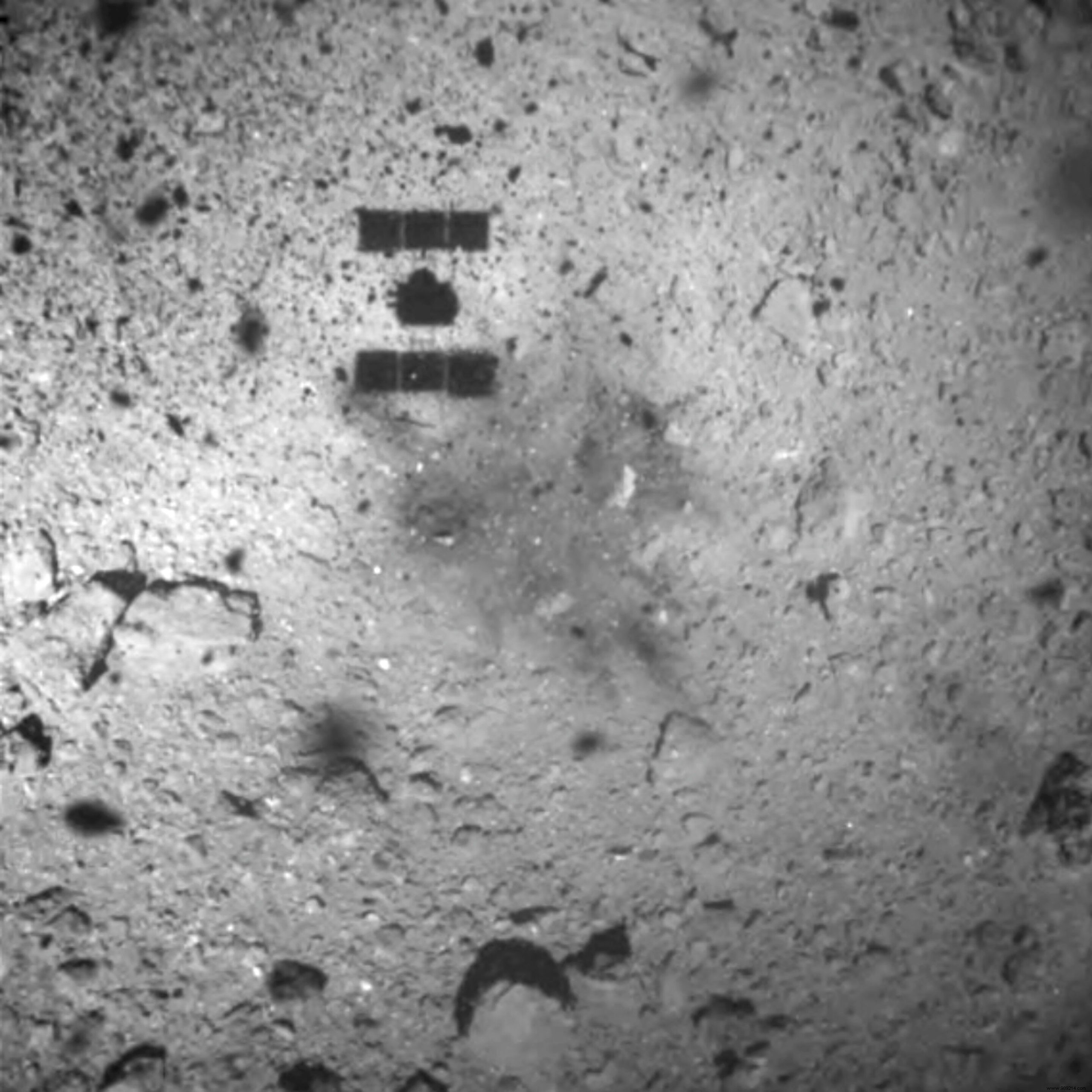
Hayabusa2's adventure continues post-drop-off, heading toward the small, fast-rotating asteroid 1998 KY26—just 30 meters across, orbiting between Earth and Mars. Arrival is projected in about a decade.
Meanwhile, NASA's OSIRIS-REx mission, which collected samples from asteroid Bennu on October 20, is slated to return on September 24, 2023, landing in Utah's desert.
