Small satellites could soon reach low Earth orbit on a regular, fully autonomous basis. This transformative approach to space access comes from Aevum, a cutting-edge Alabama startup reshaping the industry.
Recently, Aevum unveiled Ravn X, a groundbreaking launcher. Envision an autonomous drone: 24 meters long, with an 18-meter wingspan and 25 tons at takeoff. It deploys small rockets from altitudes of 10 to 20 kilometers to place satellites in low Earth orbit.
The concept echoes Virgin Orbit's LauncherOne, but replaces a modified Boeing 747 with a fully autonomous drone.
Founded in June 2016 by Jay Skylus—a veteran of NASA, Boeing, and Firefly Aerospace—Aevum now employs about 180 people and has completed five funding rounds. The company targets its first orbital mission next year.
Aevum introduces autonomous launch technology: a fully self-managed system that transports payloads from any Earth location to low Earth orbit destinations.
This architecture optimizes launches by factoring in variables like weather, air traffic, orbital paths, payload mass, staff schedules, and logistics.
Operations require just a 1.5-kilometer runway and a 750-square-meter hangar.
Aevum is also developing a rocket with two liquid-fuel engines to carry up to 100 kg to a 500 km sun-synchronous orbit. Released at 10 km by Ravn X, it enables precise deployments.
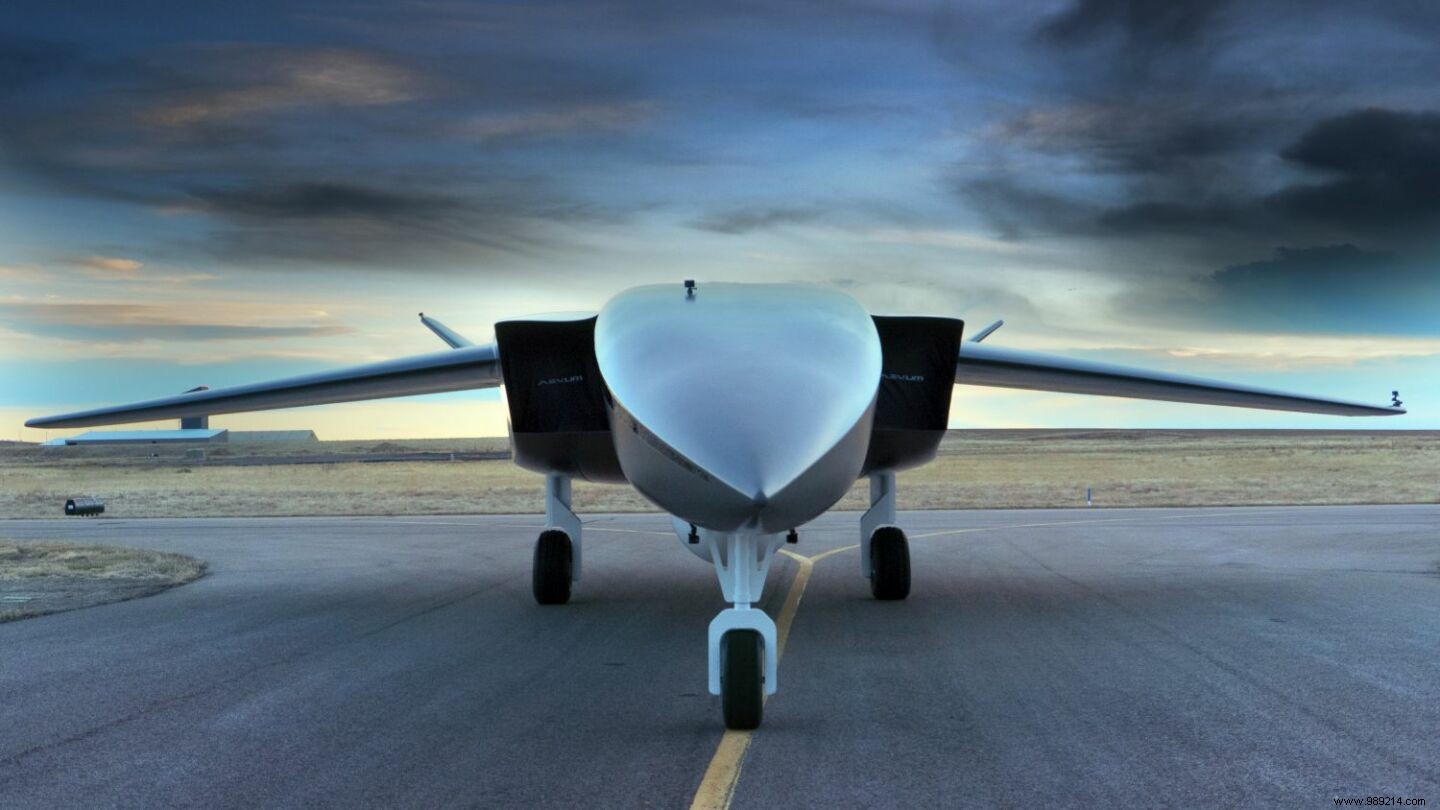

Aevum's future fleet promises precision, on-demand orbital insertions as frequent as every 180 minutes, 24/7, with zero human risk. Post-launch, Ravn X autonomously lands on a runway and returns to its hangar. The vehicle is designed for 95% reusability and runs on widely available Jet-A fuel from U.S. airports.
The U.S. military is taking notice. Lt. Col. Ryan Rose, head of the Space and Missile Systems Center's small launches division at Kirtland Air Force Base, attended the December 3 unveiling and called Aevum's work "bold" and "innovative."
Aevum reports contracts exceeding $1 billion over the next decade, including the U.S. Air Force's ASLON-45 mission.
