While the COVID-19 pandemic disrupted aerospace operations worldwide, SpaceX surged ahead, shattering its own record for annual launches through reliable booster reusability.
On Saturday, SpaceX launched a critical cargo resupply mission to the International Space Station—the 21st for NASA and the company's 24th launch of the year. This surpasses the previous high of 21 launches set in 2018. With two or three more missions planned before year-end, SpaceX's momentum shows no signs of slowing.
Achieving this amid a global pandemic is especially impressive, as it halted launches for many competitors. U.S. rivals Rocket Lab and United Launch Alliance managed just six and five launches, respectively.
That said, China's National Space Administration leads globally with 35 launches to date (including four failures). SpaceX founder Elon Musk eyes 40 launches in 2021.
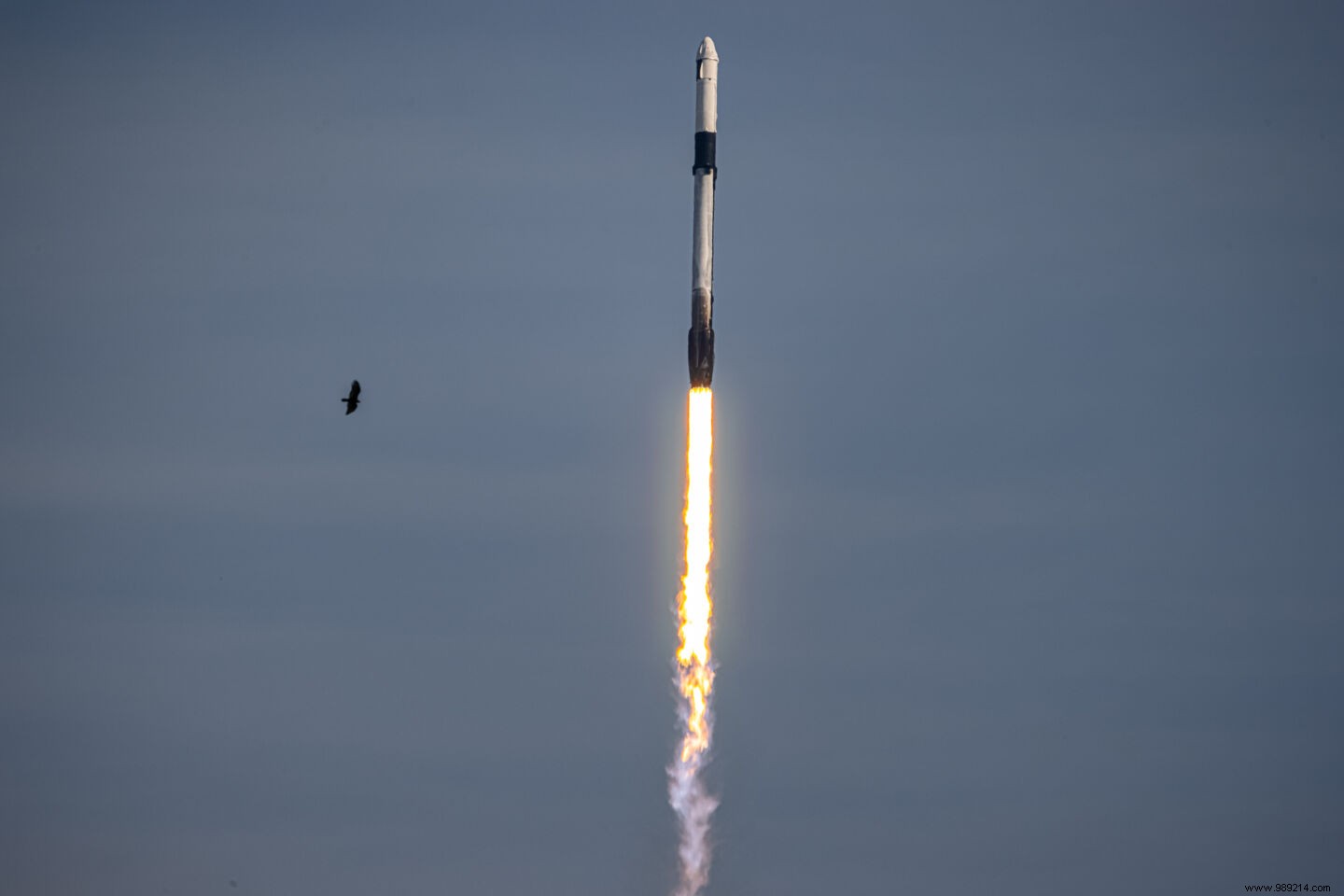
SpaceX's Falcon 9 Block 5 boosters—the third-generation first stages—enable this rapid pace. Optimized for reusability, durability, and quick turnaround, these Merlin-powered engines (using liquid oxygen and RP-1 kerosene) have flown 45 times since debuting in 2018, all successfully. Boosters typically relaunch within 50 days, with one achieving a record seven flights. SpaceX aims for 10 flights per booster next year.
Starlink deployments also fuel this cadence: 14 of this year's Falcon 9 launches deployed satellites for the global broadband constellation. Expect similar volume in 2021.
