Did the SN10 land successfully? That was the burning question during SpaceX's third Starship prototype test flight. The answer: a qualified yes. The vehicle touched down intact—only to explode minutes later. Despite the dramatic end, this was a major milestone in reusable rocket development.
Engineers at SpaceX refined the landing sequence after the SN9's prior crash. Following a brief aborted attempt around 9 p.m. local time, SN10 launched just after midnight, ascended flawlessly, and returned to its Boca Chica, Texas, launch pad. It landed slightly off-vertical but whole—a historic first for high-altitude recovery.
The aftermath was less ideal. A fire ignited at the base upon touchdown. Ground crews initially contained it, but a sudden explosion hurled the prototype dozens of meters skyward. SN10's mission was complete, nonetheless.
Elon Musk, SpaceX founder and chief engineer, celebrated the achievement on Twitter: "The SpaceX team is doing a great job! One day, the true measure of success will be that Starship flights will be commonplace."
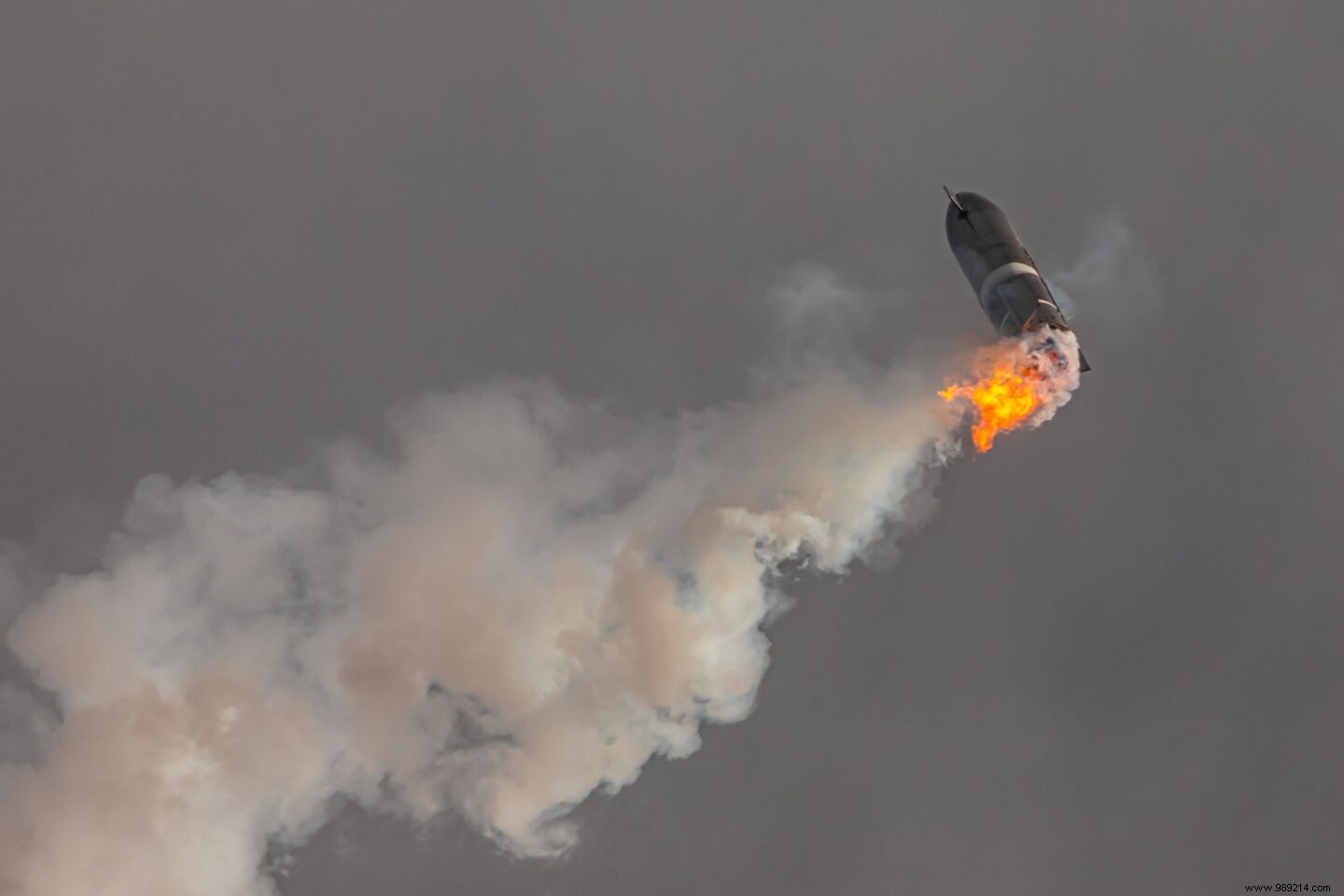
The Starship program advances rapidly, even with this explosion. Here's a technical breakdown: Like SN8 and SN9, SN10 reached about 10 km altitude before performing a "belly flop" descent maneuver.
This time, all three Raptor engines relit successfully as it neared the ground—a first. Two engines oriented the vehicle vertically, then one powered a gentle touchdown, as designed.
Challenges included stubby landing legs needing tweaks and a brief bounce on contact, sparking the base fire. The vehicle stabilized for roughly 10 minutes before lifting off in explosion. SpaceX hasn't detailed the cause, but experts point to a possible methane leak amid cryogenic fuel valve difficulties.
Critically, Raptor engine relight—key for reusability—succeeded, overcoming issues seen in prior Starship tests and early Falcon 9 flights. Landing after just three high-altitude attempts is impressive. SpaceX also gathered invaluable data on design and software for future iterations.
Next up: SN11, likely targeting another 10 km flight.
How will NASA view this as it selects a lander for Artemis III, aiming for human Moon return? Amid competition from Blue Origin and Dynetics, the crash raises questions—but SpaceX's rapid iteration model (new prototypes every 2-3 weeks) is unique, allowing quick failures and fixes. NASA appreciates this proven approach.
