Following the successful completion of its final tests, the James Webb Space Telescope (JWST) is now being prepped for shipment to French Guiana for launch aboard an Ariane 5 rocket.
Conceived in the 1990s with a projected cost under $1 billion and readiness by 2010, the JWST has taken three decades and nearly $10 billion to reach this stage. With just a few milestones left, here's a look at the critical upcoming deadlines.
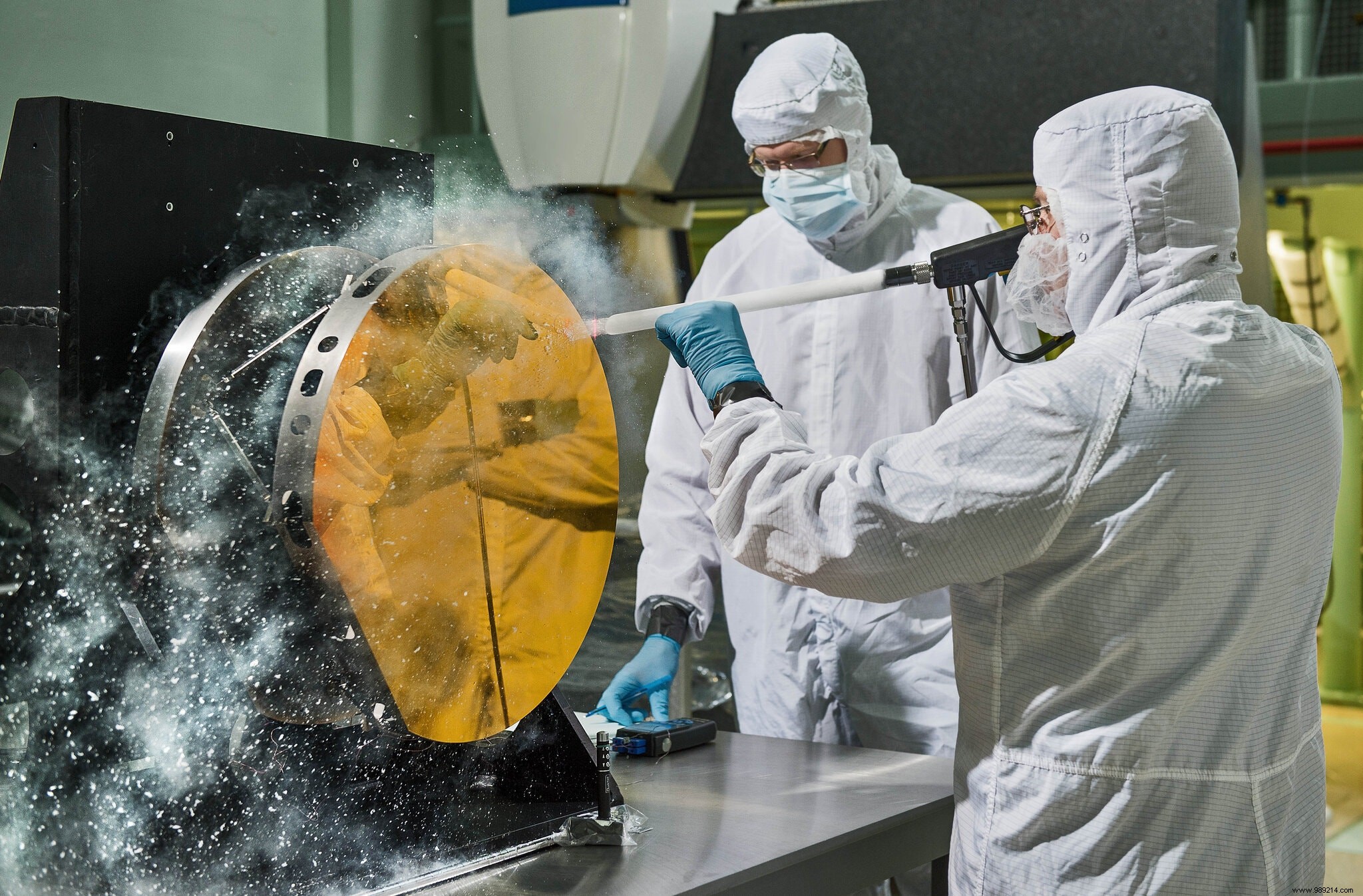
Engineering teams at Northrop Grumman recently concluded the long-duration testing program, confirming the world's most advanced observatory can withstand launch stresses and operate flawlessly in space. With testing done, preparations for the journey to French Guiana—via the Panama Canal—are set to wrap up in September.
Meanwhile, experts at the Mission Operations Center (MOC) at the Space Telescope Science Institute in Baltimore continue validating the JWST's intricate communications network for data transmission and command relay.
Upon arrival in French Guiana, teams will inspect for any shipping-related damage. If cleared, they'll fuel the propellant tanks with hydrazine and nitrogen tetroxide to enable orbital maneuvering via onboard thrusters.
Next, the observatory will be mated to its Ariane 5 launcher from the European Space Agency (ESA). Launch remains officially slated for October 31, though a shift to mid-November is possible.
Approximately 26 minutes post-liftoff, JWST will separate, deploying its solar array automatically before heading to its halo orbit at the Sun-Earth L2 point, 1.5 million kilometers away. This strategic position keeps it aligned with Earth while the sunshield blocks heat and light from the Sun, Earth, and Moon—essential for infrared observations of the early universe.
Stabilized and cooled to below -228°C (under 45°C above absolute zero), the telescope will enter a commissioning phase lasting up to six months for instrument and optics calibration. Scientific observations will then commence, poised to transform our cosmic understanding.
