Recent research reveals that extreme space weather events, such as solar storms, follow more predictable patterns than previously believed. This raises concerns for NASA's Artemis program, targeting human Moon landings in the late 2020s.
In 2017, the Trump administration directed NASA to return humans to the Moon by 2024 under the Artemis program, aiming to establish sustainable habitats at the lunar south pole. While the 2024 timeline proved ambitious, U.S. congressional discussions now point toward a 2028 landing, aligning with prior NASA objectives.
With missions likely between these dates, emerging solar activity patterns warrant caution, as detailed in a new study.
The Sun's magnetic cycle spans about 11 years, with solar minimum marking low activity and solar maximum—triggered by pole reversals—bringing peak activity and frequent solar flares.
We are now entering cycle 25, with its maximum forecasted for July 2025. Published in Solar Physics, the study analyzes historical data showing that even-numbered cycles see solar storms early, while odd cycles like 25 peak later.
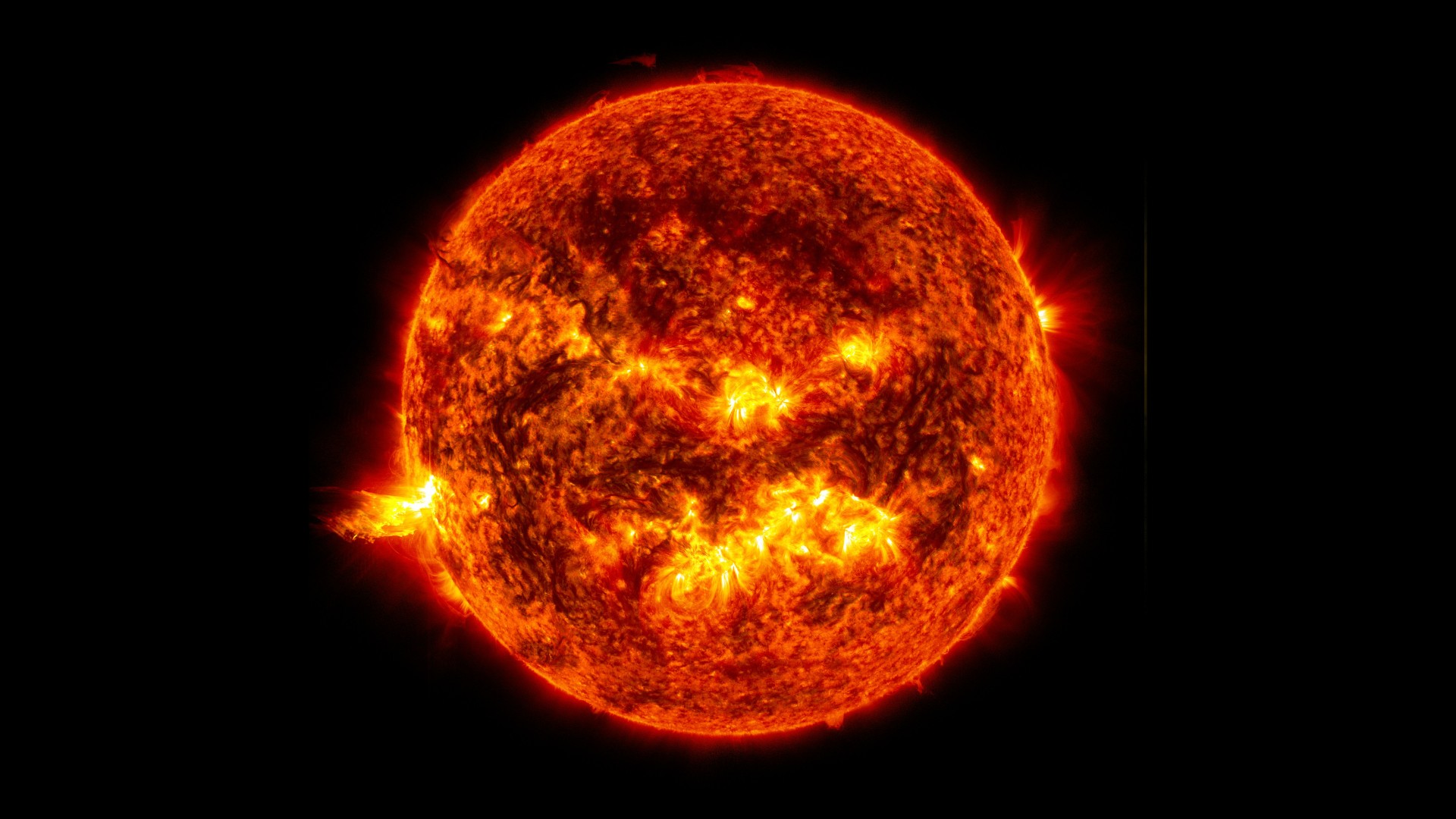
Expect heightened solar storm activity in the second half of this decade. These events threaten satellites, spacecraft, and astronauts—especially on the Moon, beyond Earth's magnetosphere, amplifying mission hazards.
“Previously, extreme space weather was seen as random, limiting our planning options,” says Mathew Owens, space physicist at the University of Reading. “This work shows they align with predictable 'seasons' like milder events.”
Mission planners for 2025-2030 must account for these elevated risks and prepare robust mitigation strategies.
