A recent audit by NASA's Office of Inspector General (OIG) provides a detailed estimate of the agency's investment in the Artemis program, aimed at establishing a sustainable human presence on and around the Moon by the end of the decade. The projected costs are substantial.
NASA, alongside key partners, is working to create a permanent foothold on the Moon through the Artemis initiative. The program kicks off next year with an uncrewed mission orbiting the Moon. Human boots on lunar soil—absent since Apollo 17 in 1972—are targeted for no earlier than 2025, alongside plans for a lunar Gateway station in orbit.
Beyond the technical hurdles, a critical question remains: What is the total cost?
The OIG's latest audit reveals that NASA's expenditures on Artemis are projected to total $93 billion by 2025.
For context, the Apollo program cost $28 billion from 1960 to 1973—equivalent to roughly $280 billion in today's dollars. The report also notes that the current production cost for a single SLS/Orion system stands at $4.1 billion per launch.
Without cost-reduction strategies for future SLS/Orion missions, NASA "will face significant challenges in sustaining the Artemis program in its current configuration," the audit warns.
Orion and SLS development began over a decade ago, with the Artemis program formally proposed in 2017 under the Trump administration. This $93 billion figure spans more than ten years of investment.
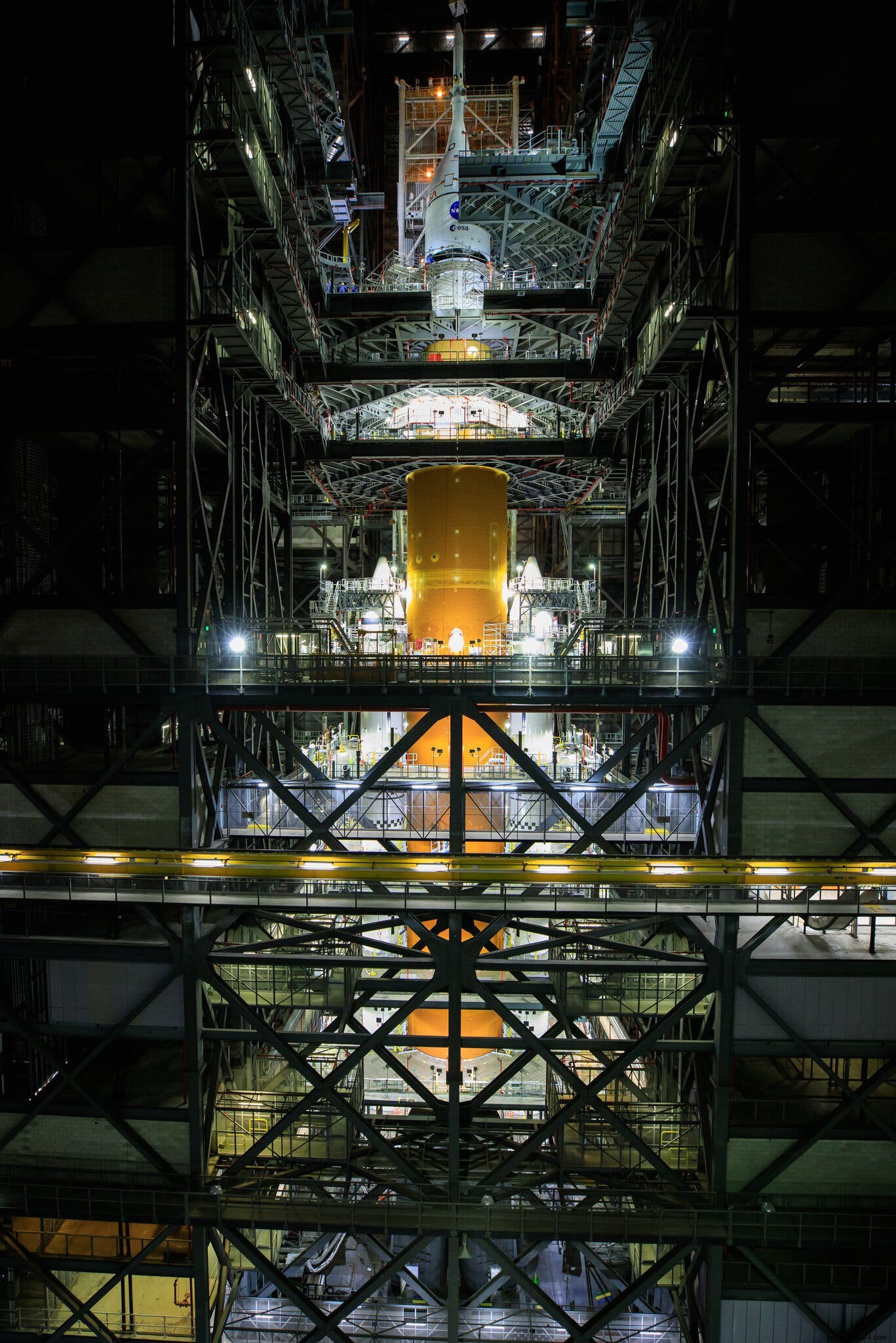
The audit highlights delays in spacesuit development, underscoring the need for further testing. It also stresses validation of the Human Landing System (HLS).
In April, NASA awarded SpaceX the HLS contract, utilizing a Starship variant. Originally slated for Artemis 3—the first crewed lunar landing—NASA now mandates an uncrewed Starship demonstration landing on the Moon to confirm safe touchdown and return to orbit.
