As the third nation to send humans into space, China is aggressively expanding its lunar ambitions. The country is developing missions to land astronauts on the Moon by the early 2030s—and recent expert commentary suggests this timeline could accelerate.
China's space achievements have surged in recent years, marking just the start of even bolder goals: human Moon landings. To this end, Chinese and Russian space agencies recently signed a pact to construct a lunar research station.
The baseline plan targets the early 2030s for China's first crewed lunar mission using the super-heavy Long March 9 launcher currently in development. But could it happen sooner? Ye Peijian, chief designer and principal engineer of China's lunar program, believes so. "I personally believe that as long as technological research for crewed Moon landings progresses and the nation remains committed, a Chinese crewed Moon landing is very possible by 2030," he shared on state broadcaster CCTV.
Peijian emphasized the mission's strategic value: "Facts prove that nations leading in space technology advance across society." He added, "A country cannot thrive without these capabilities. Our work transcends science—it's tied to our nation's destiny and standing. We must pursue space tech regardless of others."
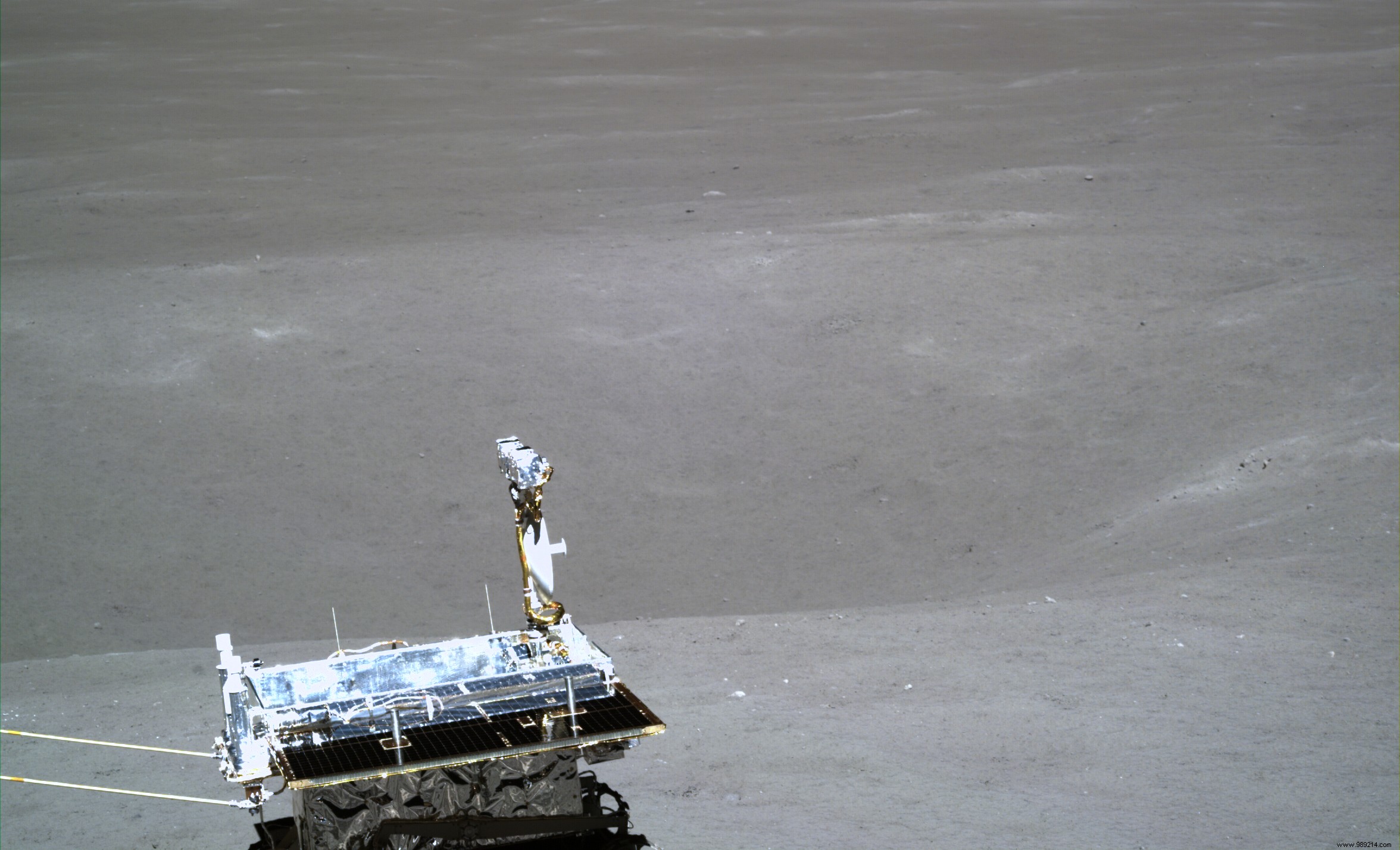
As SpaceNews notes, Peijian's remarks aren't an official announcement but highlight China's "recent progress, successes, and ongoing development of key capabilities for safely landing astronauts on the Moon and returning them home."
To fast-track efforts, China could upgrade two existing Long March 5 launchers for enhanced performance, alongside Long March 9 work. This concept, proposed last June by space industry leader Long Lehao, involves one rocket deploying a lunar lander (already in development) to lunar orbit, while a second carries the crew for rendezvous. The astronauts would transfer to the lander for surface touchdown.
For context, NASA's return to the Moon via Artemis isn't slated before 2025.
