NASA's Space Launch System (SLS) engines, meant to power up for eight minutes during a critical test, shut down after just one minute—a setback for the Artemis program aiming to return humans to the Moon. With a November launch targeted, time is running out.
The SLS, NASA's 98-meter super-heavy rocket developed over a decade, is designed for lunar crewed missions. Artemis I, its debut uncrewed flight scheduled for November, will send the Orion capsule on a lunar orbit and safe return to Earth.
On Saturday, January 16, NASA fired the SLS core stage's four RS-25 engines for a hot-fire test at its Mississippi facility—simulating the eight-minute ascent to orbit. The test began promisingly but faltered around 50 seconds when flight controllers reported an "MCF on engine 4," signaling a major component failure. The engines shut down after approximately 67 seconds.
During a post-test briefing, then-NASA Administrator Jim Bridenstine and SLS Program Manager John Honeycutt framed it positively: "That's what testing is for." They reaffirmed confidence in the SLS to loft Orion around the Moon.
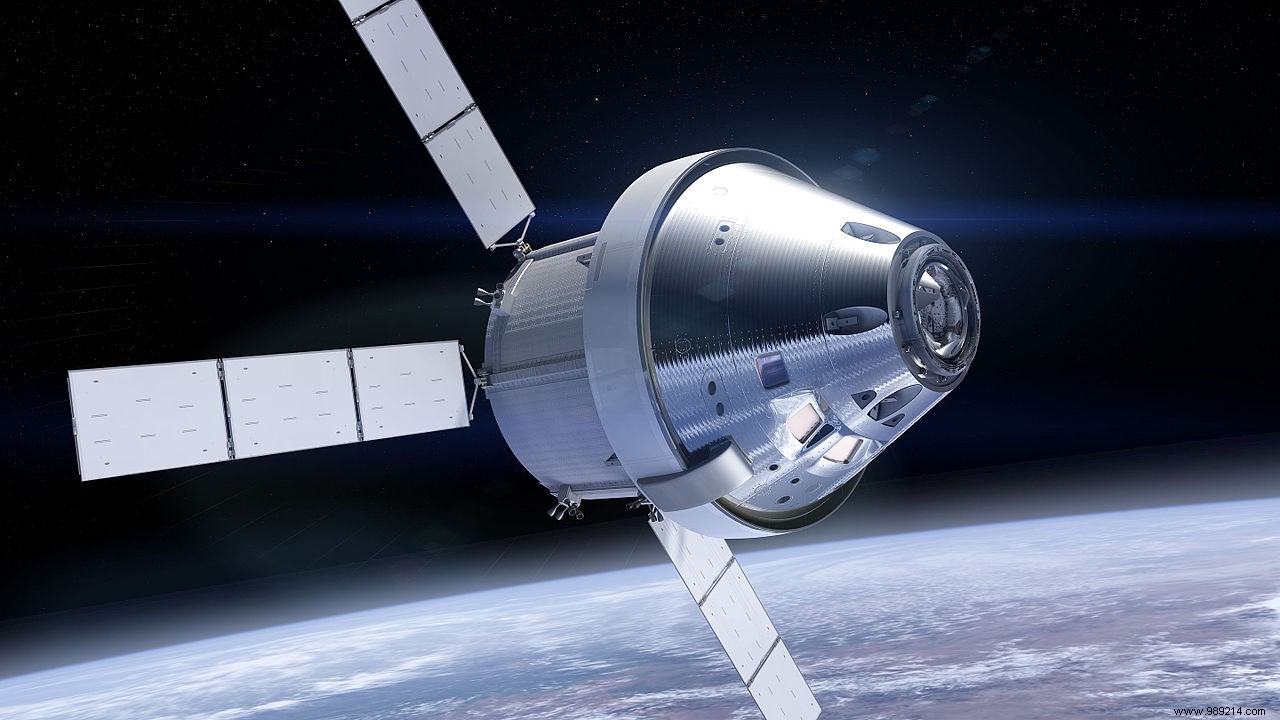
Despite the optimism, this months-long prepared test is a disappointment. Teams from NASA, prime contractor Boeing, and engine provider Aerojet Rocketdyne are analyzing data to pinpoint the issue. Engine 4 could be swapped with a spare RS-25 from NASA's inventory if needed.
However, the timeline remains uncertain. Will another test be required? NASA's rigorous standards likely demand it before Artemis I, potentially adding weeks or months of prep—casting serious doubt on a year-end launch.
